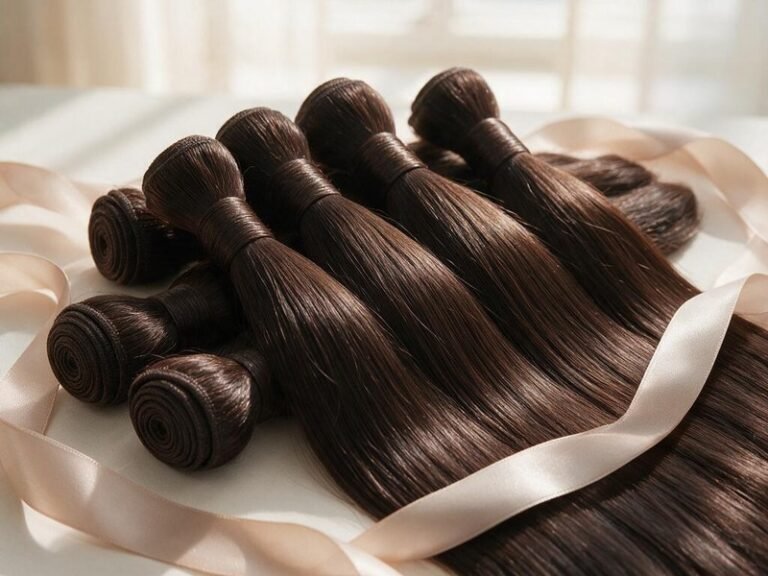
Single Drawn vs Double Drawn Hair: Which Should You Stock?
If you’ve ever stood in our warehouse sorting bundles with us, you’ve heard this question a dozen times a week from new and returning buyers alike. There’s no universal “better” option between single drawn and double drawn hair—picking the wrong one can leave you with dead stock sitting on your shelves for months, or customers coming back complaining their extensions look thin after one wash. We’ve pulled the numbers from 7 years of shipping to US salons, braiders, and resellers to break down what actually matters for your inventory, not the marketing fluff you see on social media.
Let’s cut the fluff: what these terms actually mean
Let’s start with the basics, because half the listings online use these labels wrong. When human hair is first collected and sorted for extensions, workers align all the root ends so they’re facing the same direction (that’s the cuticle alignment step you hear about, which prevents matting).
Single drawn hair goes through one round of sorting. The roots are aligned, but there’s a natural mix of strand lengths throughout the bundle. On average, 45-55% of the strands in a standard single drawn bundle will hit the exact length marked on the tag, with the rest tapering shorter toward the ends. That’s what gives single drawn that soft, natural, layered look straight out of the package.
Double drawn hair goes through two (sometimes three) extra rounds of hand sorting. Workers pluck out every short strand they find, and replace it with a strand of the full labeled length, until 80-90% of the bundle reaches that exact inch mark. Anyone who tells you their double drawn is 100% uniform length is lying—you’ll always have a few stray short strands, even after hours of sorting.
That extra labor is where the price gap comes from. Right now, a standard 100g, 20-inch straight single drawn bundle wholesales for around $28. The same texture, same origin, same cuticle quality 20-inch double drawn bundle is $47. That’s a 68% jump in cost per unit, before you even factor in shipping or packaging.
Here’s the quick side-by-side to keep handy:
- Single drawn: ~50% full-length strands, tapered ends, lower wholesale cost, natural layered finish
- Double drawn: ~85% full-length strands, thick blunt ends, higher wholesale cost, full glam finish
Who single drawn hair actually sells best to
Single drawn is the unsung workhorse of most profitable hair inventories, and we see a lot of new buyers sleep on it because they think “premium” is the only way to make money. Let’s be clear: if you ignore single drawn, you’re leaving money on the table.
This tier moves fastest with price-sensitive shoppers: college students, first-time extension wearers, clients who only wear installs for 4-6 weeks at a time before switching styles, and anyone who wants a natural, layered look that doesn’t scream “extensions.” It’s also the no-brainer pick if you stock bulk hair for braiding. Most braiders trim the ends of braiding hair anyway to get a clean, tapered finish, so paying extra for uniform full-length strands is just flushing cash down the drain.
The tradeoff here is margin per unit. You’ll usually make $15-$20 profit per single drawn bundle at retail, but you’ll turn that inventory twice as fast on average. We see small pop-up vendors and neighborhood salons with mostly casual clients run 70% single drawn stock across 16-22 inch lengths (the top-selling sizes nationwide) and never have issues with dead stock. The MOQ for single drawn is also lower for custom orders—usually 500g per length and texture, or 5 bundles—so you don’t have to tie up thousands of dollars testing a new curl pattern.
The big catch? Don’t market single drawn as luxury. If you charge double drawn prices for tapered single drawn bundles, customers will notice the thin ends fast, and you’ll lose repeat business. Price it fairly, be honest about the finish, and it will sell itself.
Double drawn isn’t a scam—it’s just for a specific buyer
We hear a lot of buyers write off double drawn as overpriced markup, but that’s not fair. There’s a very real customer base that will pay a premium for that thick, root-to-tip fullness, and if those are your clients, you’ll lose them if you only stock single drawn.
Double drawn is made for clients who want that polished, glam look: bridal clients, people who wear installs for 3+ months at a time, social media creators, and anyone who hates thin, wispy ends. Because so much of the bundle is full length, clients need fewer bundles for a full install. A 20-inch sew-in with double drawn hair only needs 2 bundles for most head sizes, vs 3-4 bundles of single drawn to get the same end fullness.
That uniform thickness is also why tape in hair is almost exclusively made with double drawn hair. No one wants thin, sparse tape-ins that peek through their natural hair two weeks after application. We’ve had salons try to cut costs by using single drawn hair for tape-ins, and they got a 30% higher return rate from clients complaining the extensions looked skimpy.
The obvious downside is the upfront cost. We’ve watched new salon owners blow their entire opening inventory budget on 24-30 inch double drawn weft hair because they saw it trending on TikTok, only to sell 3 bundles in two months. Their regular clientele couldn’t swing the $250+ price tag for a full install, and the long, premium bundles sat collecting dust until they ran a 50% off sale. Double drawn has a higher per-unit margin (usually $35-$45 per bundle at retail), but it turns over slower, so you don’t want to overstock it if your core audience isn’t looking for luxury.
The costly mistake most buyers make with single drawn vs double drawn hair
By far the biggest issue we see is mislabeled stock. There are dozens of suppliers out there advertising “double drawn” hair that’s just regular single drawn with a handful of extra long strands stuffed in the ends to look thicker. Those extra strands fall out after the first wash, leaving clients with the same thin, tapered ends they would have gotten from a cheap single drawn bundle, but for double drawn prices.
It’s easy to get tricked if you don’t know what to look for. Hold a bundle firmly by the top (weft or tied root end) and run your hand straight to the tips. If less than 70% of strands hit the labeled length, it’s not real double drawn, no matter what the listing says. If you’re vetting new suppliers to source double drawn from, we put together a full list of checks and questions to ask in our guide to sourcing double drawn hair so you don’t get stuck with knockoff stock. It’s also worth taking the time to vet if your contact is a direct factory or a middleman marking up prices, which we cover in our guide to choosing a manufacturer or trading company.
The other mistake we see all the time? Stocking 100% of one tier. Even the most high-end luxury salons have walk-in clients looking for a quick, affordable install for a vacation or event. You don’t need a 50/50 split, but writing off one tier entirely is leaving money on the table.
For most small buyers doing under $5k a month in hair sales, a 70/30 split works best: 70% single drawn in your top-selling lengths and textures, 30% double drawn in the 20-26 inch glam lengths clients ask for most. If you run a luxury salon focused on bridal and editorial work, flip that split to 30/70, but keep a small affordable single drawn selection for walk-ins.
Quick answers to the questions we get every week
Is double drawn hair always better quality?
No, full stop. The draw of the hair only refers to how uniform the strand lengths are, not the actual health of the cuticle, how it’s processed, or how long it will last. We’ve seen over-processed, stripped double drawn hair that matted after two washes, and gorgeous raw single drawn hair that lasted a full year with proper care. Don’t pay a premium for double drawn if the supplier can’t confirm the hair is cuticle aligned and minimally processed—that’s the actual marker of quality.
Can I mark single drawn up as double drawn to make more money?
Short term, you might trick a few first-time buyers. Long term, it will kill your business. Clients notice thin ends. They compare notes with friends who buy hair elsewhere. They leave reviews calling you out for overcharging. Be transparent about what you sell: price single drawn for budget-focused clients who want a natural look, price double drawn for clients willing to pay for full, blunt ends, and let people choose what fits their budget. Your repeat customer rate will be way higher for it.
At the end of the day, the right stock mix comes down to who your actual customers are, not what’s trending on your For You Page. If you’re not sure where to start, shoot our team a note and we’ll help you build a starting order that fits your audience and budget. We don’t push overpriced stock on new buyers just to hit a sales number—we’d rather you reorder every month because your stock sells out, than sit on a pile of hair you can’t move.
Send Us Your Hair Inquiry
Need bulk pricing, samples, or a private-label quote? Fill in the form and our team will get back to you within one business day.