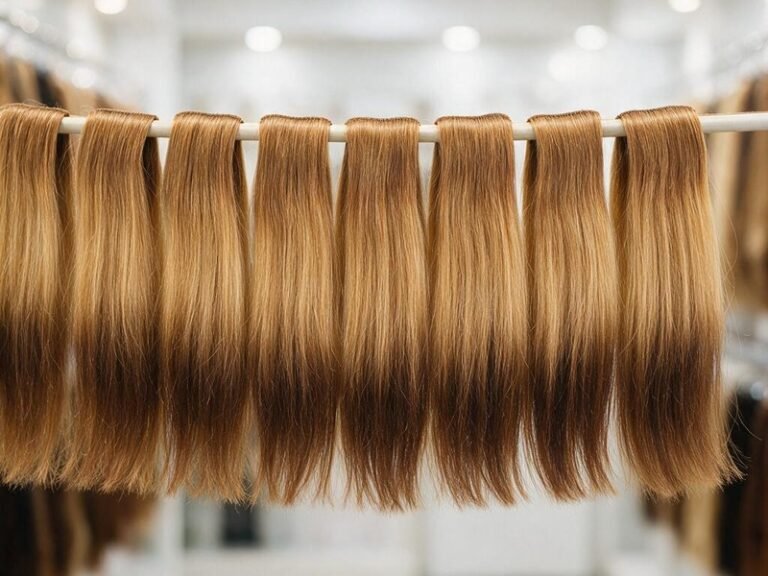
Tape-In Hair Extensions Care Guide
If you’ve ever had a client blow up your DMs 10 days after a tape-in install saying their bonds are slipping or the ends feel like straw, you know half the battle isn’t the install itself—it’s the aftercare. We’ve pulled thousands of tape-in bundles in our warehouse over the last 12 years, seen every avoidable mistake from stylists and end clients alike, and we’re not here to sell you a fancy routine with 12 specialty products. This is the no-fluff tape-in hair extensions care advice we share with every salon owner and reseller who stocks our tape-ins, so you can pass it on and cut down on unnecessary returns and frustrated clients.
The first 48 hours make or break your install
We can trace 60% of early slip complaints right back to those first two days post-install. The pressure-sensitive adhesive on tape tabs needs a full 48 hours to cure completely to natural hair, and any moisture, product, or tension in that window stops the bond from setting like it should. That means no washing, no sweaty spin classes, no steam rooms, no dousing roots with dry shampoo, and no tight high ponytails that pull at the fresh tabs.
We’ve had stylists tell us they advise clients to wait 24 hours, and they still see consistent slips three weeks in. Save yourself the free touch-up appointments. Tell clients 48 hours, no exceptions. It’s the simplest rule, and it’s the one people ignore most often.
Washing routine tweaks that add 4+ weeks of wear
Once that cure window passes, you don’t need a fancy salon-only shampoo to keep bonds intact, but you do need to adjust how you wash. Skip any shampoo with sulfates or high amounts of silicone—those ingredients break down adhesive fast, and they leave a coating on the hair cuticle that makes it look dull over time. Don’t pile hair on top of your head to scrub it, either; that tangles hair right around the tabs and creates unnecessary tugging. I’d suggest washing with your head tilted back in the shower instead of leaning forward over the sink, massaging shampoo only into your scalp, and letting the suds run down the length of the extensions as you rinse.
Conditioner and deep masks belong only from mid-shaft to ends. Never slather conditioner right up to the tape tabs, no matter how dry your roots feel. The oils and emollients in conditioner will seep under the tab edge and dissolve the bond before you know it. If you’re stocking tape in hair for your salon or shop, tucking a little printed care card with these wash tips into every order cuts client follow-up questions by almost half, from what our regular buyers tell us. Most clients aren’t trying to ruin their install—they just never get clear, specific instructions.
What products you can skip (and what’s actually worth using)
You don’t need a shelf full of extension-specific products to keep tape-ins in good shape, but there are a few common drugstore buys that will wreck your install fast. Pure coconut or argan oil applied within an inch of the roots, heavy root-lifting sprays that leave crunchy residue, and extra-strength clarifying shampoos used more than once a month will all break down adhesive and dry out the hair cuticle. You don’t have to toss all your existing products, just keep them away from the bond area.
What’s actually worth the money? A soft boar bristle brush that won’t yank at tabs, a satin pillowcase to cut down on overnight friction, and a lightweight leave-in conditioner for the ends. A lot of clients ask about lightening their tape-ins to match a new hair color, too. The most common question we get on that front? Can you bleach tape-in hair extensions? We already broke down all the processing rules in that post, but the short version is: if you do lighten them, bump up your deep conditioning routine to keep the cuticle from getting dry and brittle, and never get lightener directly on the adhesive tabs.
Sleep, sweat, and styling: small daily habits that cause damage
Most avoidable damage doesn’t happen during a big night out or a salon appointment. It happens in the small, repeated choices people make every day. Never go to bed with sopping wet hair, for example. When wet hair dries tangled around tape tabs, it creates tight matting at the root that you can’t brush out without pulling bonds loose or breaking natural hair. A single loose low braid before bed is all you need to keep hair from tangling overnight—no tight top knots, no elastic bands right at the root line.
For people who hit the gym 4+ times a week, don’t let sweat sit soaked against the tabs for hours after a workout. Rinse the root area gently with cool water, pat (don’t rub) dry, and let hair air dry before pulling it up. When heat styling, keep your flat iron or curling wand at least 2 inches below the tape tabs, and don’t crank the heat above 350°F. We test all our extension hair to hold up to occasional higher heat, but consistent 450°F passes will fry the ends so fast you’ll be replacing bundles two months early.
We see the same three slip-causing mistakes pop up over and over, no matter how experienced the stylist is:
- Applying tabs too close to the scalp, so there’s no room for natural hair shed, which creates tension and makes the tab lift as hair grows out
- Letting clients leave their install in for 10+ weeks without a move-up, which causes matting between the tabs and natural hair that can lead to actual hair breakage when you finally take them out
- Using cheap replacement tape that’s not made for hair extensions, which leaves sticky residue on the hair and fails to hold even after proper curing
Move-up and removal do’s and don’ts that save hair
When it’s time for a move-up, never yank tabs out to save time. Soak each tab with a proper tape release solution, wait 30 to 60 seconds for the adhesive to soften, then gently peel the tab away from the natural hair. If you rip tabs out dry, you’ll take chunks of your client’s natural hair with it, and you’ll damage the extension weft so badly you can’t reuse it. Good quality tape-ins can be reapplied 2 to 3 times if you remove them carefully, which cuts the client’s cost per wear almost in half.
Before you reapply tabs, make sure you scrape every bit of old adhesive residue off the polyurethane tab. If you leave old, crusty glue on the tab, the new tape won’t stick evenly, and you’ll get random, frustrating slips a week or two after the move-up. If you’re ordering for your salon or resale shop, our tape-in hair extensions wholesale guide breaks down how to grade quality so you don’t end up with hair that mats after one wash, even when clients follow all the care rules.
Quick answers to the questions we get every week
We get the same care questions from stylists and clients every single week, so we’re cutting to the chase here. If you have a question we don’t cover, you can always check our FAQ page for quick answers about shipping, quality grades, and more specific care scenarios.
How long do tape-in hair extensions last with good care?
With proper install and consistent aftercare, the bonds should hold 6 to 8 weeks before you need a move-up. The actual hair itself will last 3 to 6 months, depending on how often you heat style, how rough you are when brushing, and how consistently you use leave-in conditioner on the ends. Skip the care steps, and you might be dealing with slips at 2 weeks and dry, matted ends after a month.
Can I swim with tape-in extensions?
You can, but you have to be smart about it. Don’t submerge unprotected hair in chlorinated pool water or salt water for long stretches—both will dry out the cuticle and break down adhesive faster. Wear a tight swim cap if you’re doing laps, and always rinse hair with cool, clean water immediately after swimming to get chlorine or salt off before it dries. Never jump in the pool or ocean with loose, wet hair; it will tangle so badly around the tabs you might have to cut the mats out.
Why are my ends getting dry even if I barely use heat?
Extension hair doesn’t get the natural scalp oils that keep your growing hair moisturized from root to tip, so it relies entirely on you to add moisture back to the ends. Most of the time, dry ends mean you’re skipping leave-in conditioner after washes, or you’re only applying conditioner to the top layers of hair. You should also trim a tiny bit off the extension ends every other move-up to get rid of split ends before they travel up the hair shaft.
At the end of the day, tape-in hair extensions care doesn’t have to be complicated. Most issues come down to giving adhesive time to cure, keeping oily products away from the roots, and being gentle when brushing and styling. If you’re ready to stock tape-ins that hold up to real daily wear, or you want to compare different extension methods for your client base, you can shop all hair extensions directly through our site, and our team is always here to answer questions about order minimums, texture matching, or custom coloring for bulk orders.
Send Us Your Hair Inquiry
Need bulk pricing, samples, or a private-label quote? Fill in the form and our team will get back to you within one business day.