How to Train Stylists on Tape-In Installation
If you run a salon or hair vending business, bad tape-in installs don’t just frustrate clients—they cost you money in redoes, wasted hair, and bad word of mouth. We’ve seen buyers throw away 15-20% of their tape-in stock monthly because new stylists fumble application, misplace tabs, or use the wrong sectioning, and none of that is necessary. That’s why learning how to train stylists on tape-in installation doesn’t require a weeks-long formal certification grind, but it does need to cover the messy, real-world stuff most online courses skip.
Start with product knowledge, not mannequin heads
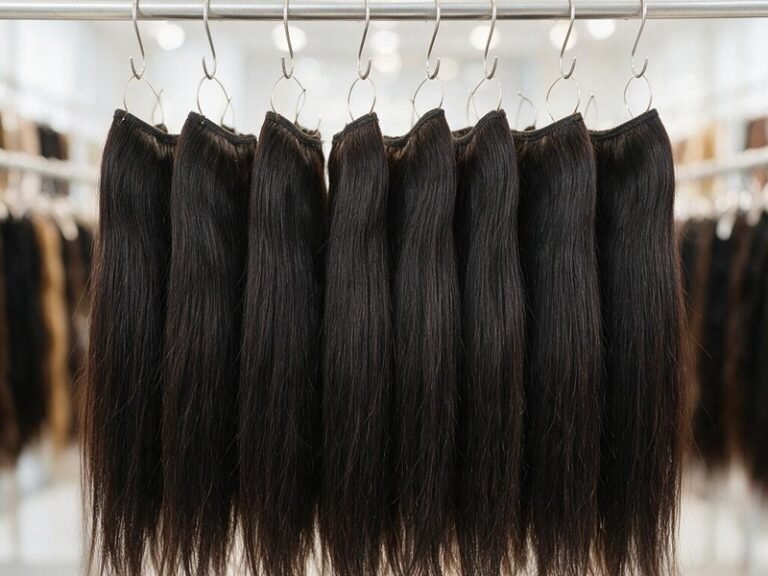
Most training programs jump straight to sectioning drills before stylists even know what they’re working with. That’s a mistake. Before anyone picks up a comb or sectioning clip, they need to spend an hour handling the actual tape in hair they’ll be using on clients, not a random sample from a random brand. Show them the tab width (our standard tabs are 1.5 inches wide, 2.5 grams per weft), let them feel the adhesive tack, and test how the hair moves when tabs are placed correctly vs. too tight. They should be able to explain to clients how long tape-in installs last without making up wild 6-month promises, because overpromising is the number one reason clients leave bad reviews even if the install itself is fine. Don’t forget to cover texture quirks, too: curly and coily tape-ins need an extra 1/8 inch of gap from the root to account for shrinkage when wet, while fine straight hair needs thinner section slices to avoid visible bulk at the roots.
Train stylists on tape-in installation by ditching perfect mannequin drills first
Mannequin heads are great for getting a feel for clip placement, but they lie. They have uniformly dense, straight hair, zero cowlicks, no oily roots, no fine breakage around the hairline—nothing like the real clients who walk through your door. Skip the hours of silent mannequin drilling and start with no-tape section practice on real people first. Pair new stylists up with each other, or recruit friends and family with different hair types (fine, thick, curly, short layers, prominent cowlicks) to be practice models, and have them mark section placement with clips instead of actual tape tabs. A new stylist should nail 40-50 clean sections across 3-4 different head shapes before they ever peel a tape backing. If they can’t get a flat, even section without cross hairs on a real person, they’re not ready to apply hair.
There are only four non-negotiable checks for every single section, no exceptions:
- No cross hairs caught under the edge of where the tab will sit, which causes slipping and tangling
- 1/4 inch gap from the root, with zero tight pulling against the scalp to avoid soreness and traction loss
- Slice thickness matches the weight of the tape tab (thicker coarse hair = slightly thicker slices, fine thin hair = thinner slices to avoid bulk)
- Sections placed so tabs won’t peek out when the client pulls their hair up in a high ponytail or parts their hair on either side
That short list will eliminate 70% of common install mistakes before they happen.
Walk them through the mistakes you’ve already paid for
Most training materials only show perfect, camera-ready installs. Your team learns way more from the mess ups you’ve already spent time and money fixing. We see salons waste hundreds of dollars a month because stylists repeat the same avoidable errors: using conditioner or oil-based root products right before install, which kills the adhesive seal; placing tabs over freshly bleached breakage, which causes natural hair to snap and tabs to fall out; pressing tabs for 2 quick seconds instead of the full 10 seconds of firm, even pressure needed to set the adhesive.
You don’t need to scare new hires, but you should show them real photos from past redoes: the client who came back 48 hours post-install with 8 slipped tabs because the stylist didn’t fully remove dry shampoo residue from her roots, the client who had a sore red scalp because tabs were pulled too tight across her nape cowlick, the mismatched color placement that left a weird stripe of lighter hair at her crown. One of the costliest mistakes we see repeatedly is stylists trying to lighten installed tabs to match a client’s highlights, which melts the adhesive and leaves sticky residue all over the client’s natural hair. Make sure every stylist brushes up on bleaching rules for tape-ins before they ever bring a tint brush near a client’s head. Be honest, too: even the highest quality tape will slip if applied over oily roots, so there’s no use blaming the hair for prep mistakes.
Shadow real installs, then build up to full heads slowly
You wouldn’t let a new barber do a full fade on their first day, so don’t throw a new stylist into a full head of tape-ins after a few practice sections. Start with shadowing: have them watch 3 full installs from start to finish, from root prep and sectioning all the way to the final cut-in and aftercare walkthrough. Have them take notes on how you handle tricky spots, like a client with a super sensitive scalp or thin hair around her temples.
After shadowing, let them do partial installs under direct supervision. For the first 3-4 clients, they only place tabs on the low nape section, the easiest spot to fix if something is off. Then move them up to the sides, then the tricky crown area, where even a 1/4 inch misplacement will leave a visible tab. For a stylist who already has 2+ years of cutting and color experience, this process takes 2-3 weeks. For newer stylists, budget 4-6 weeks before they take a full client on their own. If you’re stocking up for training sessions, you don’t need to use your top-shelf retail hair for practice reps—you can grab budget-friendly practice stock alongside your regular orders of bulk hair and other extension types to keep training costs low without wasting your sellable inventory.
Have your stylists flip through our public FAQ page too—we answer 90% of the random client questions they’ll get about shedding, washing, and heat styling, so they don’t have to make up answers on the spot.
Quick answers to the training questions we hear most
How long does full tape-in training take for an experienced stylist?
For a stylist who already does other extension types or has solid sectioning and cutting skills, plan for 10-12 hours of hands-on practice plus 3 shadowed full installs before they work unsupervised. That’s way shorter than the 40-hour paid certification programs a lot of brands push, and it works better because you’re training on your exact client base and the exact hair you stock, not generic, one-size-fits-all content.
What’s the most overlooked training gap that leads to redoes?
Skipping client aftercare coaching. A perfectly applied install can be ruined in 48 hours if a client slathers hair oil on their roots, hits a hot yoga class before the adhesive fully cures, or yanks a brush straight through their tab line. Stylists shouldn’t just walk clients to the door after the install—they need to walk through 3 simple aftercare rules, write them down, and make sure the client knows who to contact if a tab slips early.
Do I need to pay for official brand certification to train my team?
No. Most paid certifications are just structured sales pitches for that brand’s overpriced tools and hair, and they don’t cover the specific quirks of your clientele or the products you carry. You know your clients’ hair types, common concerns, and expectations better than any out-of-state trainer flying in for a weekend course. As long as you cover prep, sectioning, application, and common troubleshooting, your team will be more prepared than stylists who sat through a paid class with zero real, local client practice.
Don’t overcomplicate this. You don’t need fancy certificates, expensive custom mannequins, or 100-page training manuals. You just need to show your team exactly what works, call out the mistakes that cost you money, and give them time to build muscle memory before they work on paying clients. If you’re ready to stock up on retail tape-ins, low-cost practice hair, or just want to check what lengths and textures fit your salon’s client base, our full catalog is live anytime, and our team can answer questions about bulk training stock pricing if you reach out directly.
Send Us Your Hair Inquiry
Need bulk pricing, samples, or a private-label quote? Fill in the form and our team will get back to you within one business day.