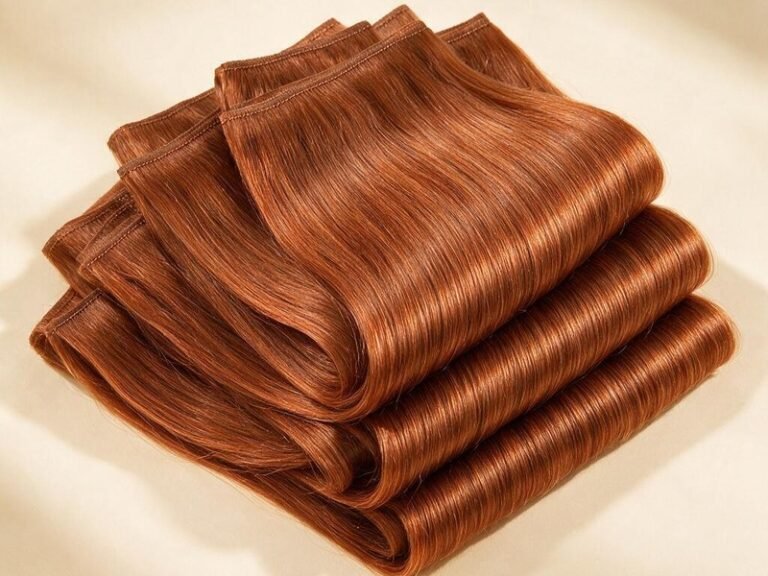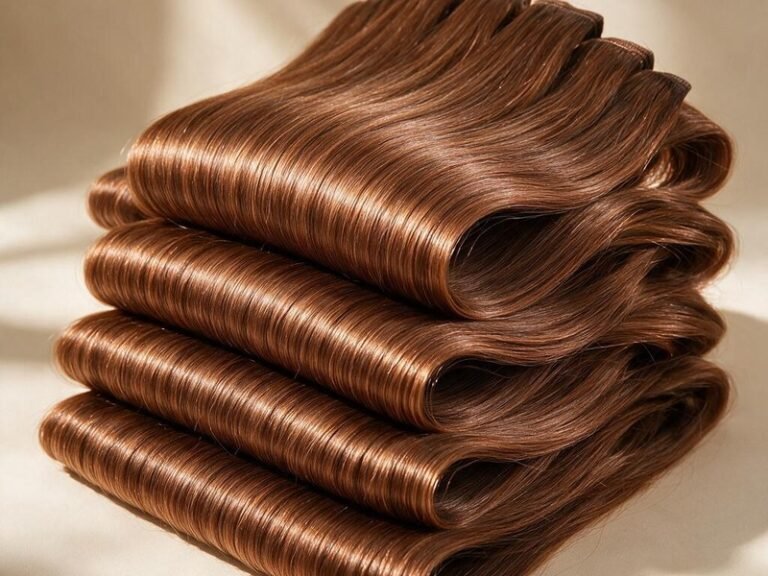
Raw Hair vs Virgin Hair: Which Inventory Deserves Higher Prices
If you’ve ever stared at two bundles that look almost identical but carry very different wholesale costs, you already know the raw hair vs virgin hair conversation isn’t just marketing. Both can sell well, but they don’t belong in the same price story unless you understand sourcing, processing, and what your clients actually expect.
Here’s the honest warehouse view: raw deserves the higher shelf price when the supply is genuinely clean and consistent, while virgin is often the better margin builder for everyday salon and reseller volume.
The real difference buyers keep confusing
Virgin hair means the donor hair hasn’t been colored, permed, or chemically relaxed, but it can still go through a normal sterilizing and sorting process. Raw hair is supposed to be even closer to the donor: minimal steam, minimal chemical bath, and no altered cuticle pattern. In practice, some suppliers call almost anything “raw” because the word gives them room to charge $20 to $60 more per bundle.
That’s annoying, but it’s also why you need to inspect more than the label. Look at bundle weight, usually around 95 to 100 grams per bundle, curl return after washing, short-hair ratio, and whether the ends feel like real ends instead of swept waste. If a vendor won’t answer those questions clearly, don’t build a premium brand around that hair.
Why raw can honestly cost more
True raw hair costs more because clean donor supply is harder to batch, sort, and match. One donor collection may give you beautiful natural dark brown hair, while the next batch is lighter, drier, or mixed in texture, so quality control takes more labor and rejection. That inconsistency is the part nobody advertises: you can get amazing raw hair in March and then wait weeks for a comparable 22-inch body wave in July.
For clients who want low processing, natural movement, and hair that can bleach or color predictably, that premium can make sense. It fits stylists doing custom colors, high-end sew-ins, and clients who reuse install hair for a year or longer with careful maintenance. The catch is that you need patient suppliers, realistic lead times, and clear client education before charging luxury prices.
Where virgin hair usually wins
Virgin hair is usually the safer pick when you need repeatable inventory across lengths, textures, and packaging. It can be sorted and steam-conditioned into straights, body waves, deep waves, and curls while still being uncolored and cuticle-intact, which makes it much easier to keep stock ready. If you’re selling bulk hair for braiding or weft hair for weekly installs, that consistency matters more than a dramatic origin story.
Margins also tend to be easier to plan because wholesale prices don’t jump as sharply when a rare texture gets scarce. A salon can sell 18- to 24-inch virgin bundles at a strong premium without promising clients something the hair can’t deliver. I’d rather see a new vendor start with dependable virgin hair, learn the customer base, and add raw later as a curated top shelf.
How to price without lying to clients
Premium pricing needs proof, not adjectives. If you charge raw-hair prices, clients should see a visible difference after washing: less tangling, better curl memory, fuller ends, and color results that behave more like growing hair. Keep wash tests in-house, photograph bundles beside a ruler, and note gram weights before you post a luxury price online.
Virgin hair should be priced as dependable quality, not disguised as rare donor hair. A useful retail spread is often 1.8 to 2.4 times landed wholesale for virgin bundles, while genuinely premium raw can test 2.5 to 3 times when your consultations, exchange policy, and content support it. Those aren’t universal rules, but they’re realistic starting points for US salons and resellers paying shipping, packaging, and labor. If you need a cash plan before the busy season, this Q4 inventory funding guide walks through timing without panic buying.
Quick inventory checklist before you reorder
- Raw hair: buy small first, especially 22 inches and longer, because supply gaps happen.
- Virgin hair: keep core lengths stocked, usually 16, 18, 20, 22, and 24 inches.
- Bundles: compare actual grams, weft neatness, end fullness, and shedding after one wash.
- Color work: test one sample bundle before promising platinum or fashion-color results.
- Retail story: call hair raw only when your supplier can explain the sourcing and processing honestly.
- Best use: raw for curated luxury, virgin for dependable repeat sales and faster turns.
- Storage: keep both types dry and sealed; humidity can flatten texture and encourage musty odor.
Storage sounds boring until a customer opens a package that smells like a damp warehouse. We keep stock in controlled conditions for that reason, and if you hold inventory at home or in a salon, don’t leave bundles sitting in a hot car or open plastic bin. This humidity-controlled warehousing article explains the operational side without overcomplicating it.
FAQ
Is raw hair always better than virgin hair?
No. Genuine raw hair can be excellent for custom color and high-end installs, but inconsistent batches and longer lead times make it riskier to stock. Dependable virgin hair is often better for sellers who need the same texture, length, and turnaround every week.
Can I sell both lines in one store?
Yes, and that’s usually the smartest setup if you label them clearly. Position raw as a small premium collection, keep virgin as your everyday line, and consider matching formats such as tape in hair only when your clients ask for that service.
If you’re organizing your next order, start with the texture your salon or store actually sells most and test premium raw in a narrow length range. You can shop available extensions with that plan, then reorder based on wash tests, client feedback, and real sell-through instead of supplier hype.
Send Us Your Hair Inquiry
Need bulk pricing, samples, or a private-label quote? Fill in the form and our team will get back to you within one business day.