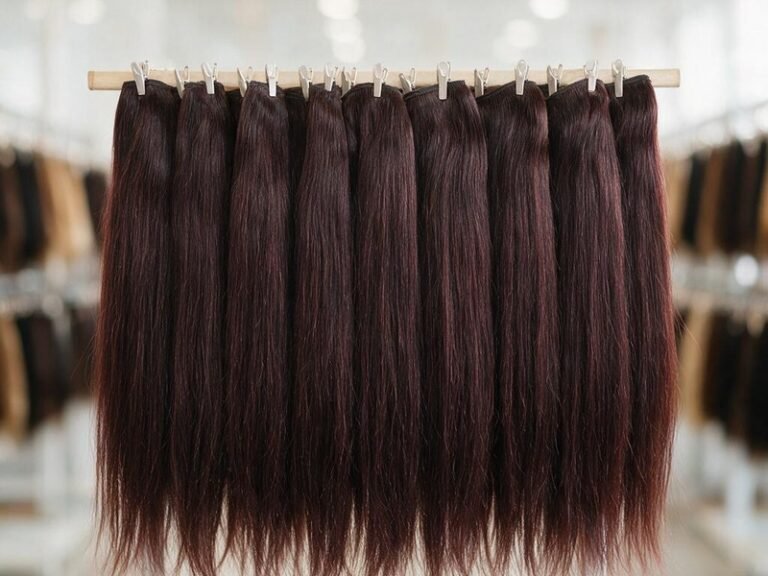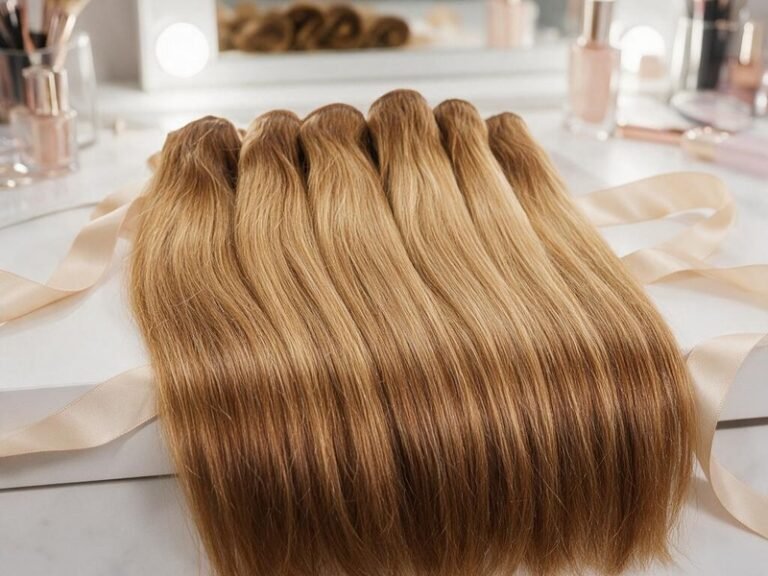
Humidity-Controlled Warehousing for Hair Inventory
If you’ve ever opened a box of stock you thought was perfect, only to find frizzy wefts, that weird musty smell, or tiny mildew spots along the cuticles, you already know humidity doesn’t play nice with human hair. We learned that the hard way 8 years ago, when a summer monsoon flooded the corner of our old non-climate-controlled warehouse and we had to write off $17,000 worth of bulk hair for braiding before it even made it to a customer. That loss is what pushed us to invest in humidity-controlled warehousing for hair inventory across all our storage facilities, and today we’re breaking down what that setup actually does, what it costs (and what it saves you), and the mistakes even experienced buyers make when they cut corners on storage.
Let’s start with what humidity actually does to raw and processed human hair
A lot of new vendors think bad hair quality is the only reason stock gets frizzy or tangles out of the package, but 9 times out of 10, it’s improper storage. Human hair cuticles are porous, right? When relative humidity climbs above 65% for more than 48 hours, those cuticles lift to pull moisture out of the air, which causes that puffy, unmanageable frizz no amount of argan oil can fix. Leave it longer, and trapped moisture against the plastic packaging creates the perfect breeding ground for mildew—we’ve had buyers send us back orders they stored in their garage in Florida for 3 weeks, swearing we sent them defective product, only to spot the faint black mildew spots along the weft edges that tell us it got damp after delivery.
It doesn’t take a flood, either. A standard unconditioned warehouse in Houston or Miami can hit 80% relative humidity on a random July afternoon, even if the roof doesn’t leak. Coastal storage risks aren’t limited to beachfront properties, either; even warehouses 20 miles inland can see swings big enough to ruin stock if they don’t run dehumidifiers 24/7.
What our humidity-controlled warehousing setup actually looks like (no fancy marketing fluff)
We get a lot of suppliers who throw around “climate controlled” like it means they have a window AC unit propped in the warehouse door in July. That’s not it. Our main storage zone holds steady at 62 degrees Fahrenheit and 45-50% relative humidity, 365 days a year, calibrated with sensors on every rack row that alert the facilities team if levels swing more than 3% in either direction. We don’t store hair directly on concrete floors, either—all pallets sit 6 inches off the ground on plastic racking, because concrete wicks moisture up even when it looks totally dry.
Before we switched to this setup, we used to see a 4-7% loss rate per shipment from moisture damage, mostly in the summer months. Now? That loss rate is under 0.2%. It’s not free, obviously. Running commercial dehumidifiers 24/7 adds about 12% to our monthly warehouse operating cost, but we don’t pass that full cost on to buyers because writing off bad stock was way more expensive. Every category we stock, from machine and hand-tied wefts to more delicate k-tip extensions, gets stored in this zone, not the general shipping area where doors are open half the day loading trucks.
The hidden cost of skipping controlled storage (it’s more than ruined hair)
Most buyers run the quick math on ruined stock and think, “I’ll just throw out the bad bundles and call it a day.” But the damage goes way beyond the cost of the hair itself. Think about the customer who gets a musty bundle right before a wedding install. They’re not just returning that one order—they’re leaving a 1-star review, telling all their friends on local braider groups, and never buying from you again. We saw one of our long-time salon clients in Atlanta lose almost 20% of their regular client base in 2022 after they stored three months of tape-in stock in a back storage room with a broken AC, and 12 separate clients left their appointments complaining their hair smelled “like wet basement” a week after install.
This is one of the big reasons we tell buyers not to overstock more than they can move in 8-10 weeks, even if bulk pricing looks like a steal—if you don’t have the right storage at your own shop, that “great deal” can turn into a customer service nightmare fast. We break down the math on smart stock levels in our guide to ideal inventory turnover rates, so you don’t end up sitting on more hair than you can properly store.
We tracked the real costs of moisture damage for 12 of our regular reseller clients in 2023, and the losses broke down like this:
- 42% of total cost came directly from unsellable, damaged stock that had to be thrown away
- 38% came from refunds, discount offers, and free replacement hair sent to upset customers
- 20% came from lost repeat business from clients who switched to other vendors after a bad experience
That adds up fast. A reseller moving $10,000 of hair a month can easily lose $2,000 or more a quarter if their storage setup is bad, even if they only see obvious mold on a small handful of bundles. Remember, frizz and cuticle damage from humidity doesn’t always look like a total loss at first glance—it might show up as hair that tangles faster than it should after install, which customers will blame on bad hair quality, not your storage closet.
What if you don’t have a climate-controlled space for your own stock?
We get it. Not every salon or small reseller can afford to rent a dedicated climate-controlled storage unit just for hair, especially when you’re first starting out. You don’t need a fancy commercial setup to keep your stock in good shape, though. Start small: keep your hair inventory in an interior closet, not against an exterior wall, not in a garage, not in a basement where moisture seeps in. Run a small $150 residential dehumidifier in that closet, and empty the tray every other day in the summer. Keep humidity levels between 40-55%—you can pick up a cheap hygrometer on Amazon for $10 to check, no fancy equipment needed.
Don’t store hair in sealed plastic tubs long-term, either. A lot of people think airtight plastic keeps moisture out, but if you seal hair in plastic when there’s even a tiny bit of dampness in the air, you’re trapping that moisture right against the cuticles. Original mesh storage bags work way better, because they let air circulate without letting dust settle on the strands. This applies to every texture and application type, from curly tape-in hair extensions to straight bulk braiding hair.
If you’re ordering in larger volumes and don’t have space to store it properly, ask your supplier if they offer split shipments. A lot of buyers think they have to take a full MOQ in one delivery to get wholesale pricing, but we work with regular clients to split 50kg orders into two or three smaller shipments spaced 4 weeks apart, so they don’t have to store more hair than they can move in a month. Just ask—most suppliers would rather split a shipment than deal with returns from hair that got damaged in a buyer’s unconditioned garage.
Quick questions we get all the time
Can’t I just vacuum seal hair to avoid humidity damage?
Vacuum sealing works great for short transit times, especially for ocean freight where containers get hit with massive humidity swings over 3-4 weeks at sea, but it’s not a long-term storage solution. If you leave hair vacuum sealed for more than 2 months, the cuticles get pressed flat in weird positions, leading to permanent tangling and matting once you open the package. We always recommend opening vacuum-sealed orders within 7 days of delivery, letting the hair breathe for 24 hours, then storing it in mesh bags in your low-humidity closet.
What humidity level is too high for hair storage?
Anything over 60% relative humidity for more than 3 days is risky. You might not see mold immediately, but the cuticles will start to lift, leading to frizz and tangles that don’t go away. Below 40% is too dry, too—extremely dry air can make hair brittle and more prone to split ends, which is why we don’t let our warehouse levels drop below 45%, even in the dry winter months when the heaters are running nonstop.
Do I need temperature control too, or just humidity?
Temperature matters mostly because it impacts humidity. If your storage space hits 90 degrees regularly, even a small amount of moisture in the air will create that damp, mildew-friendly environment faster. You don’t need to keep your closet at fridge temperature, but keeping it under 75 degrees will make it way easier to hold humidity at a safe level.
We didn’t invest in humidity-controlled warehousing because it sounded good on a sales page. We did it because we got tired of throwing out perfectly good hair, and we got tired of hearing from buyers who were getting blamed for damage that happened after the hair left our facility. At the end of the day, good hair storage isn’t about fancy equipment or big budgets. It’s about paying attention to the small, boring details that keep cuticles intact, keep moisture levels steady, and make sure every bundle you sell looks and feels exactly the way it did when it left the factory. If you’re ready to place an order, or you want to talk through split shipment options to avoid overstocking your own space, reach out to our team any time. We’re happy to walk you through what works for other buyers in your area, no sales pitch required.
Send Us Your Hair Inquiry
Need bulk pricing, samples, or a private-label quote? Fill in the form and our team will get back to you within one business day.