How to Start a Hair Extension Brand With a Small Budget
Most new brand owners we talk to think they need $10k+ in startup cash, custom packaging for every SKU, and a warehouse full of inventory before they can start a hair extension brand with a small budget. That’s not true. We’ve watched buyers launch with less than $1,500 total, turn a profit in 6 weeks, and scale slowly without taking on debt or blowing their personal savings.
Skip the 10-SKU launch when you start on a small budget
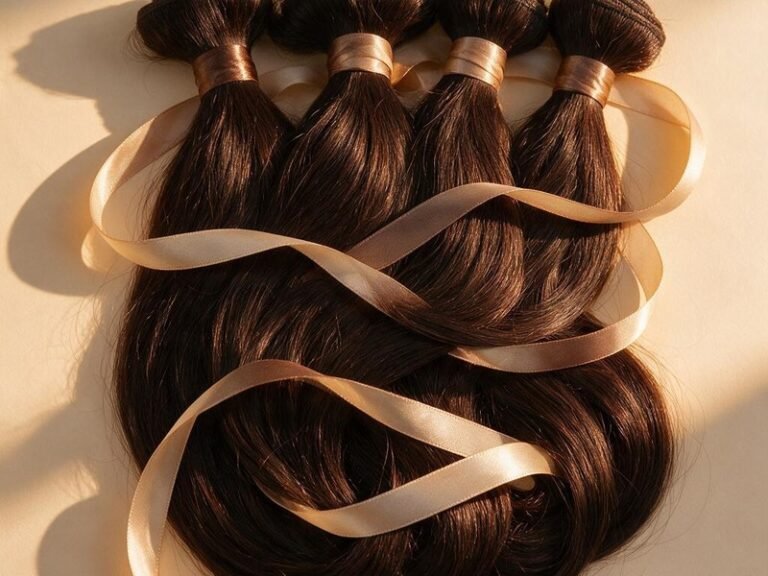
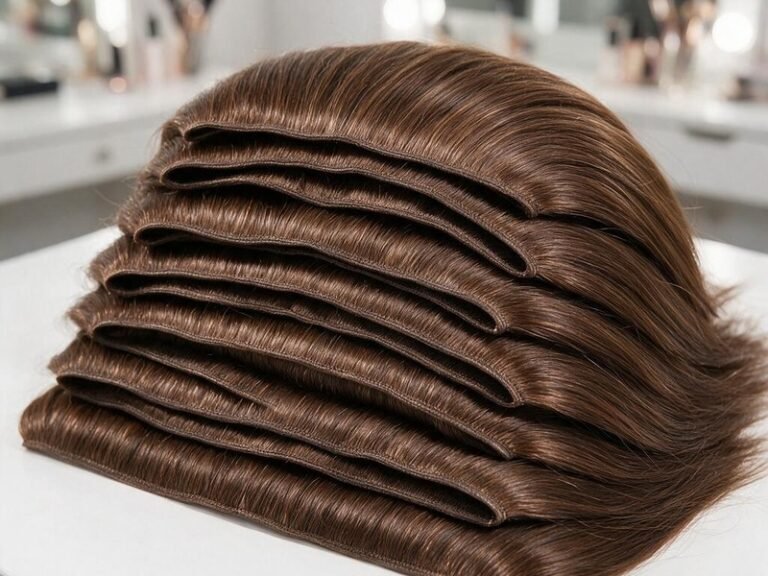
It’s tempting to stock every texture, length, and install style you see going viral on TikTok when you’re first brainstorming your brand, but that’s the fastest way to tie up every dollar of your small budget in inventory that won’t sell for months. If you pick one high-demand style first, you don’t spread your limited funds thin across 20 different shades and lengths trying to cater to every possible customer. For most new brands on a budget, that first product is either bulk hair for braiding or machine weft hair, because MOQs start as low as 10 bundles per texture, price per bundle is accessible, and demand is consistent year-round, not just tied to wedding or prom season. Skip k-tips or tape-ins as your first SKU if you’re working with less than $2k total startup cash — those require more pre-packaging, higher per-unit cost, and you’ll need to stock 8+ shade matches to avoid turning away first customers, which eats through cash fast. We see new buyers waste 40% of their startup budget on random SKUs they thought looked cool on social media, only to sit on 30 bundles of neon pink k-tips for 8 months because their actual local audience wanted natural brown straight wefts.
Your first order doesn’t need custom everything
There’s a persistent myth that you need custom printed bundles, silk-lined boxes, embossed mailers, and branded hair tags to be taken seriously as a hair brand. Those costs add up faster than you’d think: custom packaging minimums are usually 500 units per design, which can run $1,200+ before you even buy a single bundle of hair. Instead, start with plain, high-quality poly mailers, generic branded sticker labels you can print at home or order from a local print shop in 50-count batches, and skip the custom bundle tags for the first 3 months. If you’re worried about meeting order minimums for your first run, we broke down the real numbers for low-volume orders in our guide to small batch hair extensions, so you don’t have to guess how much stock you actually need to start. The downside of skipping full custom packaging early is that your unboxing content won’t look as polished for social media, but you can upgrade that later when you have consistent sales. Cash flow matters way more than pretty boxes when you’re just getting off the ground.
Don’t blow your budget on “luxury” hair no one asked for
New brand owners often assume they need to carry 12A grade single-donor virgin cuticle hair sourced from a specific temple to compete, but that’s a fast way to price yourself out of your initial audience and tie up all your cash in high-cost inventory. There’s a time and place for premium hair, but it’s not your first order when you’re still building trust with customers. The three main quality tiers you’ll see from most suppliers break down simply:
- Entry-level remy hair: $25-$40 per 100g bundle, works for everyday wear, lasts 3-6 months with proper care, lowest upfront cost
- Mid-tier virgin cuticle hair: $45-$70 per 100g bundle, lasts 8-12 months, better return customer rate, slightly higher MOQ
- Top-tier single-donor hair: $80+ per 100g bundle, lasts 1+ years, highest upfront cost, smaller customer base willing to pay the premium
If you’re starting on a budget, start with entry-level remy for your first 2-3 orders. Be honest with your customers about what it is — don’t lie and call it single-donor virgin hair — and price it fairly. We’ve seen brands build a six-figure customer base starting with remy, then add mid-tier and premium lines once they had regular repeat orders. The big mistake here is buying top-tier hair first, marking it up to cover your costs, and realizing none of your early followers can afford a $280 install when you’re still a brand new name. Once you have a feel for what your customers actually ask for, you can branch out into other styles like tape in hair extensions or k-tips without risking your initial budget.
Skip paid ads until you’ve made 20 organic sales
We talk to new brand owners every week who drop $500 on Facebook or Instagram ads the day their website goes live, get zero sales, and decide the hair business is too competitive to break into. You don’t need ad spend to start. Post photos of the actual hair you have in stock — not generic stock photos pulled from a supplier’s Instagram — do quick reels showing the hair holding a curl, getting wet, not shedding, and sell to people you already know first: friends who get regular installs, local braiders, salon stylists you follow in your area. Offer a 15% discount for your first 20 customers in exchange for an honest photo review you can use on your page. That costs nothing but time. Organic growth is slower, sure, but you won’t waste ad money sending traffic to a brand new site with zero social proof, which almost never converts anyway. When you’re ready to scale past those first 20 sales, you don’t have to jump through hoops to find a reliable partner — we’ve got a straightforward breakdown of what to look for in our guide to China hair manufacturers that work with small brands, no fancy import license required.
Watch for the small costs that sneak up and kill your budget
We see this every month: a new buyer budgets exactly for the cost of the hair, then gets hit with surprise shipping fees, import duties, website subscription costs, payment processing fees, and label printing costs, and they come up $300 short before their order even arrives. Plan for 25% of your total startup budget to go to these hidden costs, not just the hair itself. For example, if you have $1,200 total to spend, put $900 toward inventory, and set aside $300 for shipping, duties, a $30/month basic website plan, payment processing fees, and those sticker labels we talked about earlier. Don’t pay for fancy website add-ons, premium logo design services, or influencer collabs (where you give away free hair for a post) until you’ve made back your initial investment. A lot of micro-influencers will ask for free bundles in exchange for a shoutout when you’re new, and those almost never turn into sales when you have no existing track record. Save that inventory for paying customers first. If you’re crunching numbers and aren’t sure what shipping or lead times look like for small orders, most of those basic answers are up on our FAQ page so you don’t have to wait for a sales rep to reply to a 2 a.m. email while you’re building your budget spreadsheet.
Quick answers to the questions we get every week
How much money do I actually need to start?
Realistically, $1,000-$1,500 is enough to get your first batch of inventory, cover basic website costs, and have a small buffer for surprise fees. We’ve seen people start with less, but that usually means they’re only carrying 2-3 lengths of one texture, which works great if you’re only selling to a small local audience first. You don’t need more than that to get your first sale.
Can I start a brand without holding any inventory?
Dropshipping hair sounds great on paper — no upfront inventory cost, no packing and shipping — but the margins are terrible, you can’t control quality, and shipping times are usually 2-3 weeks which leads to frustrated customers. If you’re on an extremely tight budget, you can take pre-orders for your first batch to cover part of the inventory cost, but we don’t recommend relying on dropshipping long term. You’ll have way more repeat customers if you can check the hair quality yourself before it goes out.
Do I need a business license to place my first order?
For small first orders under 50kg, you don’t need a fancy import license or registered LLC to get started, though it’s a good idea to register your business once you start making regular sales to keep your personal finances separate. We work with plenty of brand-new buyers who are just testing the market with their first small order, no unnecessary red tape required.
You don’t have to build a million-dollar brand in your first 6 months to be successful. Most of the long-term, profitable hair brand owners we work with started small, made a few messy mistakes on their first order, and re-invested their profits slowly instead of dumping their life savings into a big, flashy launch right away. If you’re ready to pick your first SKU and map out a first order that fits your budget, you can browse our full selection of hair extension styles and current pricing anytime, or shoot us a message with your exact budget and target audience, and we’ll help you build a starting order that doesn’t leave you broke before your first sale.
Send Us Your Hair Inquiry
Need bulk pricing, samples, or a private-label quote? Fill in the form and our team will get back to you within one business day.