Small Batch Hair Extensions: How to Start
We talk to at least a dozen new salon owners, braiders, and side-hustle resellers every week who want to carry hair extensions but can’t front the thousands of dollars in inventory big factory MOQs demand. Small batch hair extensions take almost all that upfront risk out of the equation, but we’ve seen just as many new buyers waste money on bad stock because they didn’t know which tradeoffs to watch for their first order. This isn’t the “drop ship six figures in 30 days” fluff you see online—this is what actually works when you’re starting small, from the people who pack those orders in our warehouse every week.
First, let’s get clear on what counts as a small batch (no, it’s not 1 bundle)
We get it, you don’t want to sit on 500 bundles of 22-inch straight that might not sell for 6 months. But most people who reach out asking for “1 bundle sample orders as small batch” are setting themselves up for failure. For most legitimate human hair suppliers, a small batch order falls between 10 and 50 total pieces across 2-3 textures and lengths. That can be a mix of wefts, tape-in packs, and bulk hair, not a single pallet of one SKU.
If a supplier advertises 1-bundle MOQs for premium virgin hair? Run. That’s almost always repackaged mixed synthetic and human hair blends, or stock that’s been processed so many times it will mat after one wash. We break down those red flags more in our guide to working with a bulk human hair manufacturer in China, but the short version is: too-good-to-be-true low MOQs for top tier hair always come with a catch.
For context, a reasonable small batch first order will usually run you $300-$800 total, depending on the lengths and textures you pick. That’s low enough that you won’t drain your startup budget, but high enough that you get to test actual sellable stock, not a random free sample that was hand-picked to look perfect.
Pick 2-3 core products first, not every texture under the sun
The biggest mistake new small batch buyers make is trying to stock every length, every curl pattern, every attachment method right out the gate. I get the urge—you don’t want to turn a customer away because you don’t have what they want. But when you’re working with limited upfront cash, that approach leaves you with one or two packs of 10 different products that no one asked for, instead of enough of your most requested items to actually make sales.
Most new buyers do best starting with one high-demand, low-fuss category, then building out as clients ask for more:
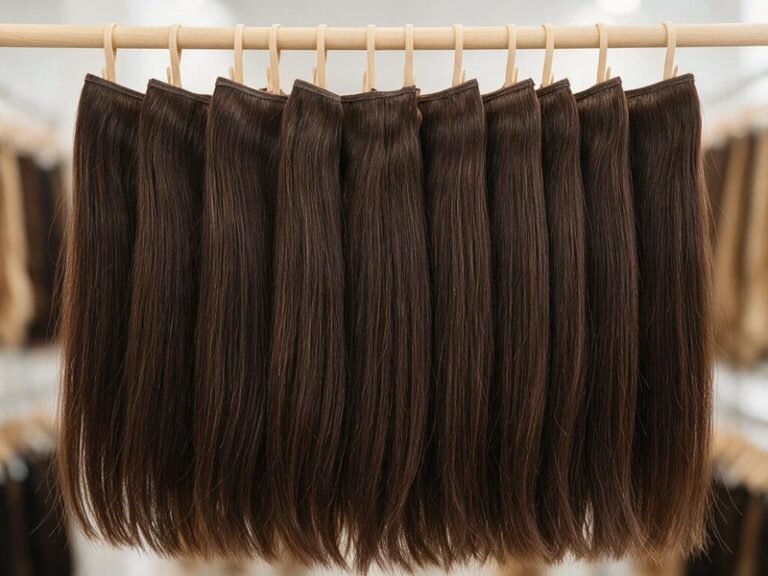
- If you’re a braider or work mostly with protective style clients, start with bulk hair for braiding in 18, 22, and 26 inch lengths in natural black and dark brown. Those three SKUs make up 70% of braiding service requests for most new stylists, so you won’t sit on dead stock.
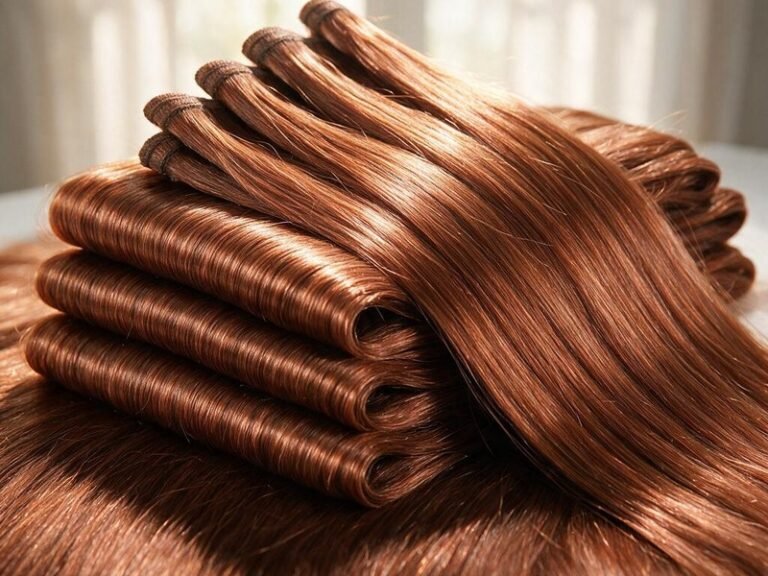
- If you run a small salon focused on color and quick installs, pick a core line of weft hair first. It’s versatile, works for sew-ins, clip-in conversions, and beaded rows, and it holds up well to in-salon color processing if you match the grade correctly.
- Skip the super niche products (pale blonde 30-inch k-tips, neon pink tape-ins, custom colored curly closures) until you’ve had at least 10 different clients ask for them by name. Those are fun, but they’re slow sellers when you’re just getting started.
We see new buyers blow half their first order budget on those flashy, Instagram-friendly SKUs all the time, and 9 times out of 10 those pieces end up in a clearance bin 6 months later because their actual client base wants standard, reliable hair for everyday wear. You can always add more SKUs as you make sales. You can’t get your money back on stock no one wants.
The quality tradeoffs that are fine (and the ones that will cost you clients)
You’re starting small, so you don’t need to spring for the top-tier 12A virgin unprocessed hair that costs $120 a bundle for your first batch. That’s a waste when you’re still testing what your clients will pay for. But there are a few corners you absolutely cannot cut, even on a tight budget.
It’s totally fine to start with 10A Remy hair for your first batch if that keeps your initial investment manageable. That grade will last 8-12 months with proper care, looks natural, and comes in at a price point that lets you mark it up 50-70% without pricing out your regular clients. What’s not fine? Buying non-Remy hair where the cuticles are stripped and coated in silicone to make it feel soft out of the bag. That hair will tangle the second a client washes it, and you’ll spend more time fixing complaints and giving refunds than you saved on the cheaper stock.
If you plan to offer custom coloring for your clients, skip the ultra-cheap processed stock entirely—you’ll end up with uneven, brassy breaks that won’t lift evenly, even if you follow every trick for bleaching human hair extensions. Another tradeoff to skip? Paying extra for fancy custom packaging on your first small batch. You can add branded tags and satin bags later, once you know which products sell consistently. For your first order, plain, clear packaging that lets clients see and feel the hair is more than enough.
Test every batch before you sell a single piece
I can’t stress this enough. Even if you’ve worked with the same supplier for three orders, always pull one piece from every new small batch to test before you put it out for clients.
What does that test look like? It’s not complicated. Run a small section under warm water, lather it with sulfate-free shampoo, and run your fingers from root to tip. If it tangles immediately, that’s the bad silicone-coated stock we talked about earlier, and you need to reach out to your supplier for a replacement before you install it on anyone. Do a quick strand pull test, too: hold the weft or tape tab tight, and give a gentle tug on the hair. If more than 2-3 strands come out, the weft is poorly sewn or the tape adhesive is low quality, and it will shed all over your client’s shirt a week after install.
If you’re adding tape in hair to your first batch, do a quick adhesive test too: stick one tab to a clean section of your own arm (or a mannequin head, if you have one) and leave it for 24 hours. If it peels off on its own after a shower or light sweating, the adhesive won’t hold up to client wear, and you’ll be doing free reinstalls for weeks.
We see so many new buyers skip this step because they’re excited to start making sales, and it almost always backfires. A 10-minute test on one piece from your order will save you hours of awkward client conversations and hundreds of dollars in refunds down the line. No fancy lab setup required. Just water, shampoo, and 10 minutes of your time.
The questions we get most from new small batch buyers
How long does a small batch order take to ship?
For most standard small orders that don’t require custom coloring or private label, production and shipping to US addresses takes 7-10 business days, not the 4-6 week lead time big bulk orders require. If you need rush shipping, you can usually cut that down to 3-5 days for an extra fee, but we don’t recommend paying for rush on your first order. You’ll want time to test the stock when it arrives, remember?
Can I add private label to a small batch order?
Most suppliers (including us) will let you add custom tags and packaging to orders as small as 30 pieces, but I’d hold off on that for your very first order. Your first batch is for testing what sells, locking in quality expectations, and figuring out what your clients actually want. Spending extra on branded packaging for 10 bundles that you end up giving away to test clients is a waste of cash. You can roll out branded packaging once you have 2-3 repeat orders under your belt and know exactly which SKUs will move fast.
What if a product doesn’t sell?
That’s the whole point of starting small! If you pick 2-3 core SKUs and only order 3-5 pieces of each, you won’t be stuck with hundreds of dollars in dead stock. Most new sellers find that even their slowest SKU from a first batch sells within 2 months if they post a quick clip of the hair, offer a small first-time client discount, or use it for a model to show off install results. You don’t have to mark it down 80% just to get it out the door.
Starting with small batch hair extensions doesn’t have to be complicated, and it doesn’t require a huge business loan or a fancy storefront to work. Most of the salon owners and resellers we work with who now place 500+ piece orders every month started exactly where you are: ordering 15 total pieces, testing them on a handful of regular clients, and building their stock as they made sales. Take it slow, skip the flashy impulse buys, test every piece when it arrives, and you’ll be able to grow your inventory without taking on unnecessary risk. If you have questions about putting together your first order, our team is always happy to help put together a mix that fits your budget and your client base.
Send Us Your Hair Inquiry
Need bulk pricing, samples, or a private-label quote? Fill in the form and our team will get back to you within one business day.