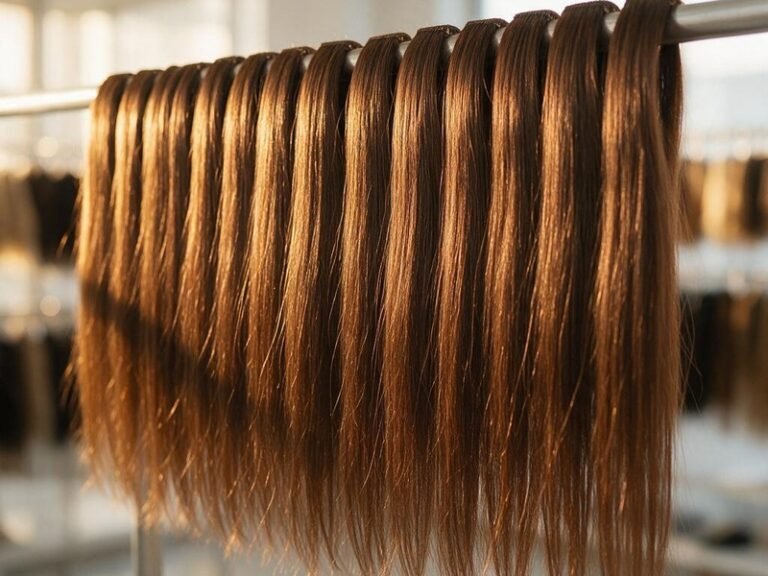
Frontal Wig Installation: A B2B Buying Guide for Hair Businesses
A clean frontal wig installation starts before the appointment: it depends on lace quality, hair texture, cap construction, density, sizing, and how honestly you set client expectations. For hair businesses, buying the right frontal wig matters just as much as the stylist’s technique, because poor lace, weak knots, or a mismatched cap can turn even a good install into a callback.
This guide is for salon owners, braiders, wig studios, beauty-supply buyers, and resellers stocking or ordering frontal units. A frontal is a lace piece that runs from ear to ear across the front hairline; a full frontal wig uses that lace panel to recreate a natural-looking part and hairline while wefts or other cap material make up the rest of the unit. We’ll cover what to buy, what to avoid, and how to choose units that fit both your service menu and your customers’ budgets.
What Is a Frontal Wig Installation, and Why Should Buyers Care?
A frontal wig installation is the process of fitting and securing a lace-frontal wig, then customizing the hairline so the lace looks like scalp. Depending on the service, the stylist may adjust the band, bleach or tint the knots, pluck the hairline, trim the lace, apply adhesive or glue, style the hair, and teach the client how to maintain the unit. Install can mean either the application method or the finished service.
Buyers should care because the product and the service are connected. A stylist can improve a decent wig, but they cannot fix every factory problem. Plastic-shiny lace, oversized caps, uneven hairline density, factory split ends, weak knots, chemical odor, or poorly ventilated frontal knots all create extra labor and complaints.
For B2B buyers, the key is to match the wig grade to the service promise. If you sell an everyday glueless unit, clients should expect easy wear and regular maintenance, not a bonded hairline that survives every workout. If you sell a premium installed look, the wig needs better lace, cleaner bleaching tolerance, and enough density to support styling without showing tracks.
Frontal wigs remain popular because they offer versatile parting and a natural hairline without leaving as much of the client’s hair out as a traditional sew-in. They also protect the client’s hair when fitted correctly. The trade-off is that frontal units need more maintenance than a basic closure wig, especially around the lace edges.
Frontal Wig vs Closure Wig: Which Should Your Business Stock?
A closure only covers a smaller section at the top or crown, usually 4×4, 5×5, 6×6, or 7×7 inches. A frontal runs ear to ear, commonly 13×4 or 13×6 inches. The 13 means the lace spans about 13 inches across, while the 4 or 6 means the lace extends back in inches.
Frontals allow more styling options: middle parts, side parts, ponytails, pulled-back looks, baby hairs, and wider exposed hairlines. Closures are easier for many beginners, usually faster to install, and often more durable because there is less thin lace to lift or tear. If your clients want low-maintenance wear, closures may produce fewer service issues.
Stock frontals when your customers specifically ask for natural hairline versatility, red-carpet styling, or protective looks with many parting options. Stock closures when clients want a simple install, lower price point, or less lace maintenance. Many successful wig studios carry both instead of pushing every customer into a frontal.
A realistic inventory split might be 60 to 70 percent closure or easy-wear units and 30 to 40 percent frontal units for a newer business. If your brand specializes in glueless luxury wigs, bridal styling, or high-definition hairlines, frontals can be a larger share. Track returns, lace damage tickets, and install labor before scaling up.
Which Hair and Lace Materials Affect the Installation Most?
Material choices change both the finished look and the work your stylist has to do. Human hair is the standard for resale and professional installs because it can be flat-ironed, curled, colored, and styled more like growing hair. Synthetic hair can be cheaper, but it usually does not support the same heat styling, coloring, or customization work salons need.
You will see several hair terms from suppliers. Virgin hair means hair that has not been chemically processed, colored, permed, or relaxed. Remy means the cuticles are kept mostly in one direction, which reduces tangling; not every Remy label is equal. Raw hair usually refers to minimally processed donor hair and can vary more in texture and color. Cuticle aligned means the hair cuticles run in the same direction from root to tip, which is the detail most tied to less matting.
Lace is equally important. Transparent lace works for many skin tones but still needs tinting. HD lace is thinner and more undetectable, but it can be more delicate and less forgiving for rough handling. Medium-brown lace can be useful for deeper complexions, though tinting may still be needed. Ask for actual photos and video in natural light; ring-light-only supplier images can hide shine and grid texture.
Cap construction matters too. Glueless caps with adjustable straps, combs, elastic bands, and breathable dome material are easier for take-home sales. Glue-down caps can give a very flat hairline, but the client must understand skin preparation, adhesive removal, and reinstall schedules. Thin lace looks better, but it is not always the best choice for first-time wig wearers.
What Product Details Should B2B Buyers Check Before Ordering?
Do not order frontal wigs from a supplier based on one styled photo. Request production specs, uncensored videos, hairline close-ups, cap photos, weight information, and packaging details. A reliable wholesale partner should be willing to confirm measurements and explain what is standard versus custom.
- Hair type: Confirm 100 percent human hair, origin, process level, texture, and whether the hair can be colored. Ask if the frontal and wefts use the same hair quality.
- Lace size: Common frontals are 13×4 and 13×6 inches. A 13×6 gives more deep-part space, but it also means more lace to maintain.
- Density: Density is how full the wig is. Many everyday clients choose 150 to 180 percent, while 200 to 220 percent works better for thick, styled looks. Extra density can make the unit heavier and hotter.
- Length and weight: Ask for weight by length and density. A 12-inch unit and a 28-inch unit should not be expected to feel the same. Longer hair costs more and tangles more at the nape.
- Cap size: Most adult units use a medium cap around 21.5 to 22.5 inches, but head sizes vary. Confirm small, medium, large, or custom options and strap adjustment range.
- Knots and ventilation: Look for small, even knots with a realistic density transition. A wall of thick knots at the hairline looks wiggy and takes longer to customize.
- Wefts and stitching: Wefts are the sewn tracks of hair attached to the cap. Check for secure stitching, minimal shedding, clean fold-over points, and no bulky tracks that prevent a flat install.
For wholesale orders, MOQ terms can vary. Some suppliers allow sample orders of one to three units, while factory custom orders may require 10, 50, or more pieces per style. Start with samples before committing to a full run, especially if you are testing a new texture, cap design, or lace type.
Lead times also need a place in your buying plan. Stock units may ship in days, while custom density, labels, packaging, colored hair, or special caps can take two to six weeks depending on the factory and order volume. Holiday periods can stretch longer. Build buffer time instead of promising clients exact install dates before goods arrive.
How Do Glueless, Tape, and Bonded Installs Change Buying Decisions?
Glueless installs rely on the cap fit, adjustable straps, elastic bands, combs, and sometimes grip products rather than permanent adhesive around the hairline. They are best for clients who want to remove the wig daily, protect their edges, or avoid glue. The wig must fit well; a loose cap cannot be hidden by styling.
Tape installations use double-sided wig tape in strips or spots. They give more hold than a purely glueless fit but still allow scheduled removal. Tape may work well for short events or clients who want the wig off every week or two, but oily skin, sweat, sunscreen, and makeup can reduce hold.
Bonded installs use wig adhesive along the lace perimeter for a longer-wearing, very flat result. They can look excellent when applied and removed correctly, but they require clean skin, proper drying time, and a responsible removal process. Clients who scratch the lace, apply too much edge product, or ignore maintenance are more likely to experience lifting and edge irritation.
Your inventory should reflect the methods your stylists actually offer. Glueless units need strong bands and well-made caps. Bonded units need lace that lies flat and tolerates tinting without tearing. If your customers are mostly beginners, do not lead with the thinnest lace and strongest glue; sell a manageable system and charge separately for advanced customization.
What Density, Length, and Texture Should You Offer?
Density is one of the most common mismatch complaints. A 130 percent density wig can look realistic but may feel thin to customers comparing online photos. A 180 percent density unit is a popular middle ground for body wave, straight, and curly styles because it has enough body without looking overly bulky. A 250 percent density wig may sound premium, but it can feel heavy, look dense at the hairline, and generate more heat.
Length changes the value and the care burden. Short bobs in 8 to 12 inches are easier to stock, quicker to install, and less prone to tangling. Mid-length units from 14 to 20 inches suit broad clients. Long units from 22 to 30 inches sell well visually, but buyers should inspect fullness from root to end; overly thin ends make a long wig look low quality.
Texture should be chosen by market and styling capacity. Straight and body wave are broad sellers because clients understand them and salons can restyle them easily. Deep wave, curly, and kinky curly textures can hide some lace blending but require more moisture and detangling education. If clients do not maintain curly hair, it can tangle and matte faster, even when the hair quality is good.
For B2B stock, start with proven colors such as natural black, dark brown, and a small range of highlighted or warm brown units if your audience asks for them. Custom coloring gives you flexibility, but pre-colored factory hair can be less predictable. Always test a sample before selling color-treated units as a core line.
How Should You Price Frontal Wig Installations and Wholesale Units?
Price the product and the service separately when possible. The wig price should cover hair, lace, cap construction, packaging, shipping, quality checks, and a fair margin. The installation fee should cover consultation, customization, fitting, adhesive application if used, cutting the lace, styling, and client education. Bundling can simplify checkout, but separating the costs helps clients understand why customization costs money.
A basic glueless install usually takes less time than a fully customized bonded install. Bleaching knots, tinting lace, plucking, baby-hair design, washing, coloring, cutting, and heat styling all add labor. A stylist may spend 45 minutes on a simple refresh or several hours on a full custom installation. Build your pricing around actual chair time and skill, not social-media averages from another city.
Resellers should consider three tiers instead of one. An entry tier can serve budget-conscious clients with good basic human hair and standard lace. A middle tier can offer better density, softer hair, cleaner hairlines, and glueless caps. A premium tier can include higher-end lace, custom caps, longer lengths, fuller density, and personalized hairline work.
Be careful with low-price factories. A cheap frontal wig can still look good in the first photo, but shortcuts often show up after washing: dry ends, excessive shedding, tangling, returned curl patterns, lace that frays, or knots that will not bleach evenly. Sample testing is not optional if you plan to build repeat business.
What Causes the Most Frontal Install Problems?
Lace lifting usually comes from poor skin prep, product buildup, sweat, oily edges, improper adhesive cure time, or a cap that does not fit. Some clients also manipulate the hairline too soon after installation. Stylists should explain that a bonded frontal is not maintenance-free and that makeup, sunscreen, edge control, and steam can affect the bond.
Shedding can come from harsh brushing, weak ventilation, poor weft stitching, or sewing through fragile areas. Some daily shedding is normal, but clumps of hair or widening bald spots along the frontal are not. Inspect sample units by running fingers through, checking knots, and examining weft seams before buying in volume.
Tangling often increases with long lengths, curly textures, dryness, cuticle direction issues, and wear at the nape. Clients should sleep with a satin scarf or bonnet, detangle gently from ends upward, wash in one direction, and avoid sleeping in wet hair. Suppliers should not blame every tangle on maintenance if the hair was not cuticle aligned.
Unreal hairlines cause another common complaint. Overplucked frontals can look bald, while unplucked factory hairlines can look too thick and straight. The best wholesale units usually arrive with a lightly pre-plucked hairline that a professional can customize. Heavy pre-bleached knots can also create shedding or thin spots, so inspect carefully before ordering that feature in bulk.
How Can You Verify Supplier Quality Before a Bulk Order?
Start with samples from at least two or three suppliers. Order the same texture, length, and density so comparisons are fair. Check the hair before and after washing, and style it with heat if the product is marketed as heat-friendly human hair. Photograph the lace, knots, wefts, cap, nape, and ends in daylight so you can compare honestly.
Ask direct questions: Is the hair 100 percent human hair? Are cuticles aligned? What is the density by section, not just a number on a listing? Can the hair be bleached or colored? What is the cap circumference and stretch range? What happens if a batch arrives with mismatched texture or obvious defects? A supplier that avoids basic questions is usually risky for repeat orders.
Understand the difference between stock hair and custom production. Stock items are faster and easier to sample, but batches may vary. Custom orders allow labels, packaging, density, cap details, and color control, but communication must be precise. Use written spec sheets and approve sample hair before production begins.
Quality control should happen at two points: before the factory ships and again when your business receives the goods. Check length, texture, color, lace size, cap size, odor, shedding, knots, stitching, and whether the elastic band sits straight. Catching issues before a client appointment prevents emergency replacements and bad reviews.
What Maintenance Rules Should You Tell Every Client?
Clients need clear aftercare on the day of the frontal wig installation. For bonded units, avoid heavy sweating, steam, long showers, swimming, and touching the hairline during the first 24 hours or as directed by the adhesive instructions. Remove the unit with the correct solvent or remover; peeling lace off by force can tear the lace and irritate the skin.
For daily care, brush or detangle gently, especially before bed. Use a satin bonnet, scarf, or silk pillowcase. Keep curly hair moisturized but avoid applying heavy creams directly to the lace because buildup can loosen tape or adhesive. Wash the unit when product, sweat, or oil builds up, and dry it properly before storage.
When the wig is off, store it on a wig stand or mannequin head to preserve the style and cap shape. Do not cram a wet frontal into a drawer or plastic bag. Clients should also understand that glueless units may need strap tightening, band replacement, or minor customization over time.
Set a realistic service schedule. Many clients return for lace refresh, wash, reinstall, or adjustment every one to three weeks depending on the install method, skin type, lifestyle, and hold products. A daily-removal glueless wig follows a different routine than a bonded unit. Clear education reduces disputes and creates repeat maintenance appointments.
Frequently Asked Questions
Is a frontal wig good for beginners?
A glueless frontal wig can work for beginners if the cap fits well and the client understands lace care, but frontals are generally higher maintenance than closure wigs. First-time wearers often do better with adjustable bands, pre-plucked hairlines, and professional customization rather than an extremely delicate HD lace unit they must apply themselves.
How many frontal wigs should a new hair business order first?
Start with samples and a small test stock of three to ten units across your best-selling lengths and textures rather than buying one large batch. Reorder once you know which density, cap size, lace type, and texture your clients actually keep and repurchase. Custom labels and packaging can wait until quality and fit are consistent.
Build Your Frontal Wig Line Around Real Clients, Not Just Photos
The best frontal wig inventory balances natural appearance, durability, install method, and realistic maintenance for your specific customers. Sample first, document every spec, and train clients on aftercare so the product and the service support each other.
If you are ready to build a wholesale frontal wig collection, we can help you choose textures, densities, cap constructions, and stock quantities for your market. Send us your target lengths, budget, and service type, and we will recommend a practical starting order instead of pushing the highest density on the shelf.
If you want the full background before you order, our guide on Frontal Wig: A B2B Buying Guide for Hair Businesses walks through it in plain terms.
Send Us Your Hair Inquiry
Need bulk pricing, samples, or a private-label quote? Fill in the form and our team will get back to you within one business day.