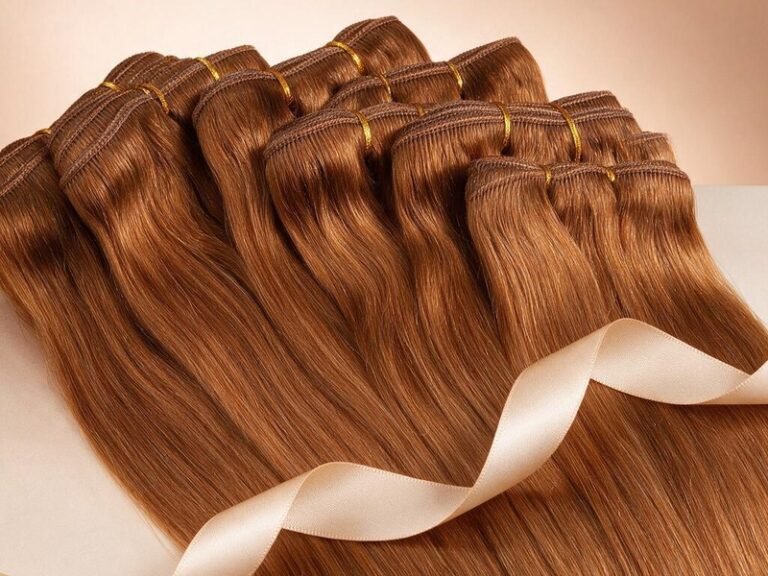
Writing a Fair Warranty Policy for Hair Products
A fair warranty policy for hair products should protect your customer without forcing your business to absorb every styling mistake. We see too many new sellers either promise “no shedding ever” or offer no warranty at all, and both positions create problems. The better approach is simple: define what counts as a factory defect, set a clear timeframe, and require realistic care from the buyer.
Start with what the warranty actually covers
Human hair is not plastic, and even good hair can show wear after brushing, coloring, swimming, and heat styling. A sensible policy covers manufacturing defects that show up before the hair has been altered: reversed wefts, missing clips on tape-ins, short pieces in a labeled bundle, obvious chemical odor, or severe matting that happens with normal gentle care. I’d usually set the inspection window at 7 days from delivery and the performance window at 30 days after installation for most weft hair. Don’t cover hair that has been bleached, cut from the weft, glued incorrectly, slept on without protection, or saturated in lake water. If you want a fuller returns workflow, our seller return policy guide walks through photos, timelines, and restocking decisions.
Put a realistic timeframe on it
“Lifetime warranty” sounds generous, but it usually trains customers to expect free replacements after months of hard use. For standard human hair extensions, 30 days is common for defects, and some salons offer 15 days specifically on installation-related issues. Tape tabs may need different terms because adhesive depends heavily on natural oils, product use, and shampoo choice. If you sell tape in hair, say clearly that oily roots, conditioner near the tabs, and professional removal can affect wear. A shorter, honest warranty is easier to defend than a long one full of exceptions.
Ask for proof before replacing hair
Photos and videos keep the process fair for everyone. Ask for the bundle label, a shot of the full set, close-ups of the problem, the shipping box if it arrived damaged, and at least one picture showing how the hair was installed. For shedding claims, ask whether the weft was cut, sealed, brushed from the root, or washed in very hot water. For tangling claims, ask about bedtime protection, leave-in products, color services, and how often the client wore the hair. This is not about making the customer feel interrogated; it’s about separating a bad batch from normal wear or misuse.
Write the exceptions plainly
Your policy should be short enough that a client actually reads it before checkout or installation. Avoid fancy legal wording, and don’t hide exclusions in a wall of text.
- Hair that has been colored, bleached, permed, or chemically treated after purchase
- Cut wefts, removed tape tabs, or altered keratin bonds
- Damage from excessive flat ironing, curling, or harsh shampoo
- Matting caused by sleeping without a satin bonnet or loose braid
- Shedding from brushing wet hair aggressively or using the wrong brush
- Final-sale items, color swatches, or opened bundles that cannot be resold
- Normal short hairs released from the weft during the first few brushes
For curly textures, remember that steam processing changes how the hair responds to moisture and product buildup; our note on curly processing explained can help you explain that to buyers. If you also sell bulk hair for braiding, mention that brushed-out braiding hair and loose cut ends are not the same as a factory defect. The wording should sound like rules a reasonable stylist would accept, not a trap.
Decide how you’ll make it right
Replacement is not always the only answer, and it should not always be the first answer. For a minor issue, a partial refund, discount on the next order, extra replacement bundle, or free reinstall may cost less and keep the relationship intact. For a clear factory defect, replace the exact length and texture quickly, but ask for the affected product or enough photo proof before shipping a new order. Keep a record of batch numbers, lengths, colors, and weights—28-inch bundles should not be compared by eye alone when a 100-gram bundle is involved. Your margins matter, especially with low MOQ orders, so build warranty cost into pricing instead of pretending defects never happen.
What if a customer says the hair is shedding?
Ask for a short video showing brushing and the weft edge before you approve anything. A few loose strands during the first wash can be normal, while broken stitching, sliced wefts, or handfuls of hair point to different causes.
Should warranties cover salon installation mistakes?
Product defects and installation errors should be separate. You can offer a short correction window for your own salon work, but don’t promise free hair if another stylist applied it incorrectly or used damaging chemicals.
Review your warranty every few months using the actual claims you receive, then tighten confusing language before it costs you money. A fair policy won’t eliminate every argument, but it will give customers, stylists, and your supplier a clear place to land when something goes wrong.
Send Us Your Hair Inquiry
Need bulk pricing, samples, or a private-label quote? Fill in the form and our team will get back to you within one business day.