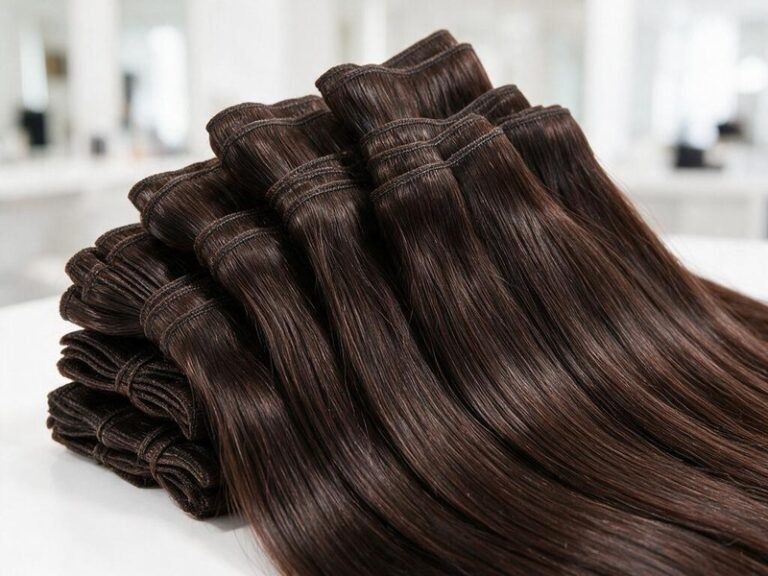
Returns Without Regret: A Fair Policy for Hair Extension Sellers
Returns are part of selling hair, and a messy return policy can quietly eat your margin faster than any shipping delay. Most problems we see in our warehouse aren’t from dishonest buyers; they come from unclear expectations around color, length, texture, and opened packaging. A fair hair extension return policy protects your customer without turning your business into a free testing service.
Why “no returns ever” usually costs more
Some new sellers post a strict no-return policy because used hair can’t be restocked, and honestly, that concern is real. But if you sell online, a zero-flexibility policy often leads to chargebacks, bad reviews, and customers accusing you of selling the wrong texture. Payment processors don’t know the difference between body wave and loose wave, so you can lose the case even when you did nothing wrong. A short, specific policy is usually safer than a scary one. It tells buyers what they can do before the package is even opened, which prevents most panic messages.
Set the line before the seal is broken
For weft hair extensions, tape-ins, and k-tips, the main rule should be simple: unopened, unused, untampered packaging only. Hair that has been installed, washed, brushed, colored, cut, or removed from its binding can’t go back to another customer. Give buyers a clear window, often 7 to 14 calendar days from delivery, and require photos before any return authorization. You should also state who pays return shipping; many sellers allow returns for buyer’s remorse with the customer paying, while warehouse errors are covered by the seller. That one line prevents a surprising number of arguments.
What your policy should actually say
You don’t need legal-sounding language; you need rules your customer can read in 30 seconds. Keep the wording plain, put it on the product page, checkout page, FAQ, and order confirmation, and don’t hide it in a footer link.
- Returns accepted only on unopened hair in original packaging and bands.
- Request approval within 7 to 14 days after delivery.
- Photos and order number are required before shipping back.
- Used, washed, colored, cut, or altered hair is final sale.
- Buyer pays return shipping for ordering the wrong length or texture.
- Seller pays if the item is defective, damaged, or shipped incorrectly.
- Refunds process after inspection, usually within 3 to 5 business days.
Color and length are where disputes start
Phone screens lie, lighting changes color, and one person’s “dark brown” can be another person’s “off-black.” Ask customers to compare color rings or swatches before ordering, especially for tape in hair that needs an exact blend. Length also causes confusion because curly hair pulls shorter; a measured 20-inch curly bundle may look closer to 18 inches when naturally coiled. Show pulled-straight measurements on your listings and mention that texture affects visual length. If you sell on Amazon, clearer listing details can reduce return cases; our notes on Amazon listing optimization cover that setup.
Handle opened products without getting burned
What happens when a customer says the hair is shedding or matting after installation? Don’t promise an automatic refund, but do investigate like a professional. Ask for installation date, products used, washing routine, heat temperature, and short videos showing the issue. A factory defect may show up as obvious slipping wefts, bad knots, or short hair mixed through the bundle; normal shedding during the first install can be just a few loose strands. For confirmed defects, some sellers offer a one-time exchange, store credit, or partial refund based on how much product was used. If you’re sending units to Amazon, their timing and labeling rules can affect what you’re able to inspect, so review the FBA prep requirements before relying on returns coming back to you.
Can I resell returned hair extensions?
Only if the factory seals, bands, tags, and packaging are completely intact and the hair has never been worn, washed, brushed, or altered. If anything has touched a client’s head, don’t put it back into sellable inventory. You can sometimes use opened practice pieces for training or color testing, but label them clearly so they never leave as new bulk hair.
Should I charge a restocking fee?
A 10% to 15% restocking fee can make sense for buyer’s-remorse returns because inspection, repackaging, and payment processing still cost you money. Just disclose it before checkout, and don’t charge it when your warehouse sent the wrong texture or the product is defective. If the fee creates more arguments than it saves, offer store credit instead; many salon owners would rather reorder than wait for a refund.
Write your return policy like you’re explaining it to a good client over the phone: firm, fair, and easy to understand. If you want help choosing stock that fits that policy, browse the shop all hair extensions selection and order samples before you commit to a big launch.
Send Us Your Hair Inquiry
Need bulk pricing, samples, or a private-label quote? Fill in the form and our team will get back to you within one business day.