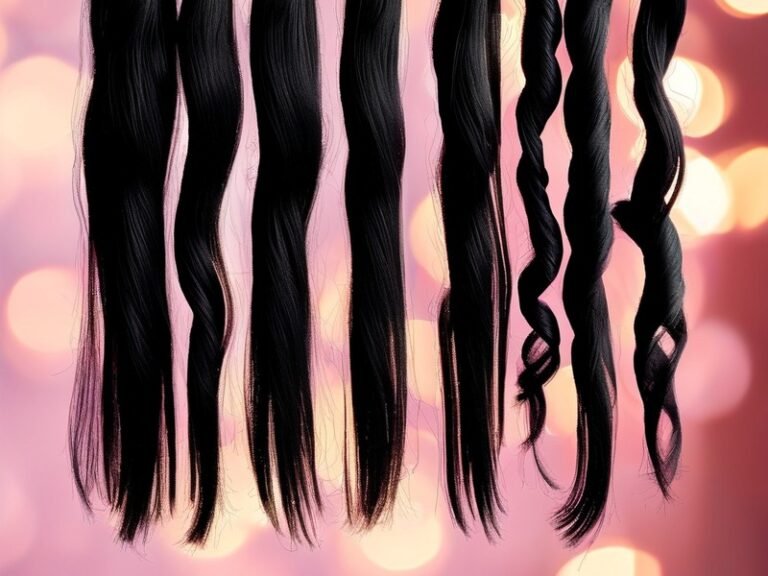
What to Include in a Wholesale Hair Sample Testing Kit
A wholesale hair sample testing kit should tell you more than “this feels soft.” Soft hair can still be over-processed, mismatched, or a nightmare after one wash, so your kit needs to compare vendors under the same conditions. Here’s what we suggest putting together before you commit to a larger bundle order.
Start with the hair types you’ll actually sell
Don’t sample every texture just because the price list is long. Pick the three or four products that fit your salon menu or store: for example, straight body wave, deep wave, and the construction method your clients ask for most.
If braiders are your main buyers, pull bulk hair for braiding instead of wasting budget on sealed wefts. If installs drive most of your revenue, include machine wefts and a small section of tape in hair so you can test tabs and adhesion, not just strands.
Keep lengths realistic. A 14-inch and an 18-inch sample from the same vendor will show taper and weight better than two samples of the same inch count.
Label each bag with vendor, grade, texture, length, price, and arrival date. Sounds basic, but after five sample packs arrive in one week, nobody remembers which one shed in the sink.
The physical tools your kit needs
You don’t need a laboratory. Most problems show up with simple household and salon supplies that cost less than one bad bulk order.
- Digital gram scale: weigh each bundle and note whether the advertised weight includes the cardboard or plastic tag.
- Clear zip bags: keep shed hairs separated by vendor after combing and washing.
- Wide-tooth comb and loop brush: use the same tool on every sample so shedding comparisons are fair.
- Clarifying shampoo and moisturizing conditioner: choose basic products without heavy purple or coating ingredients.
- White towel and dark towel: one shows dark shedding, the other shows excessive leave-in residue.
- Flat iron or curling iron: test heat response at 300°F, 350°F, and only higher if you normally style that hot.
- Measuring tape, hair ties, clips, and a notebook: track length, elasticity, curl return, and your own installer feedback.
Run the same wash and style tests every time
Use the same water temperature, shampoo amount, drying method, and number of comb strokes for every wholesale hair sample. Otherwise, you’re comparing your mood on Monday with a rush job on Friday.
Before washing, record bundle weight, smell, shine, and how the cuticles feel when you run your fingers upward. A strong chemical smell may fade, but it can also mean aggressive processing that shows up later as dryness or tangling.
After one wash, let part air-dry and heat-style another small section. Check curl pattern return, frizz, split ends at the weft, and whether the ends suddenly look thinner or straw-like.
For tape or keratin formats, inspect the actual bond area. A beautiful strand attached to a weak tab or gummy K-tip hair keratin still costs you chair time and client trust.
Test color, blending, and true cost—not just softness
Color is where a lot of sample approvals go wrong. Check the hair in natural daylight, under salon lighting, and against the skin tones you usually serve, because a “natural black” can look blue, brown, or almost gray depending on the batch.
If you plan to offer highlighted looks, reserve a small section for a lift test and record the developer volume and processing time. If you work mostly with blonde bases, this guide on wholesale blonde bulk hair gives a practical way to test blending without ruining the whole sample.
Calculate cost by usable gram, not by sticker price. A 100-gram bundle with thick tags, short fillers, or unusable tapered ends may be cheaper at checkout but worse for your margin; this cost per gram breakdown makes that math easier.
Also note lead time, packaging, communication speed, and whether the sample matches the production photos. Those details matter when a client is already booked and your supplier says the shipment is delayed.
Build a simple scorecard before reordering
Pick a scoring system your whole team will actually use. We’d keep it to five categories: initial feel, wash behavior, shedding or tangling, color and lift performance, and construction quality.
Score each from 1 to 5 right after testing, while the evidence is fresh. Attach photos of the washed weft, shed hairs on the towel, the scale reading, and the finished style so you can compare vendors without relying on memory.
Give extra weight to the issue that hurts your business most. A braiding shop may care most about grip and weight consistency, while a salon may reject a vendor for weak tabs or poor lift, even if the hair feels silky.
Don’t expect a perfect sample at the lowest price. The goal is to find the best tradeoff for your clients, your average ticket, and the reorder quantity you can realistically move.
How many samples should I order from one supplier?
Start with two to three products from each supplier: your best-selling length, one texture, and one attachment method. Ordering one tiny piece rarely tells you enough, while ordering ten pieces before you’ve tested the basics just burns cash.
Can a good sample guarantee every bulk order matches?
No. Human hair is a natural product, and batches can shift in color, texture, and yield. A sample helps you reduce risk, set expectations, and choose vendors worth negotiating with if a production order arrives off; our FAQ page covers common ordering and quality questions buyers ask before reordering.
Put your kit together this week, test every vendor using the same steps, and keep the notes even when you love a sample. When you’re ready to compare production options, browse the hair extension selection and choose samples that match the products your clients already request.
Send Us Your Hair Inquiry
Need bulk pricing, samples, or a private-label quote? Fill in the form and our team will get back to you within one business day.