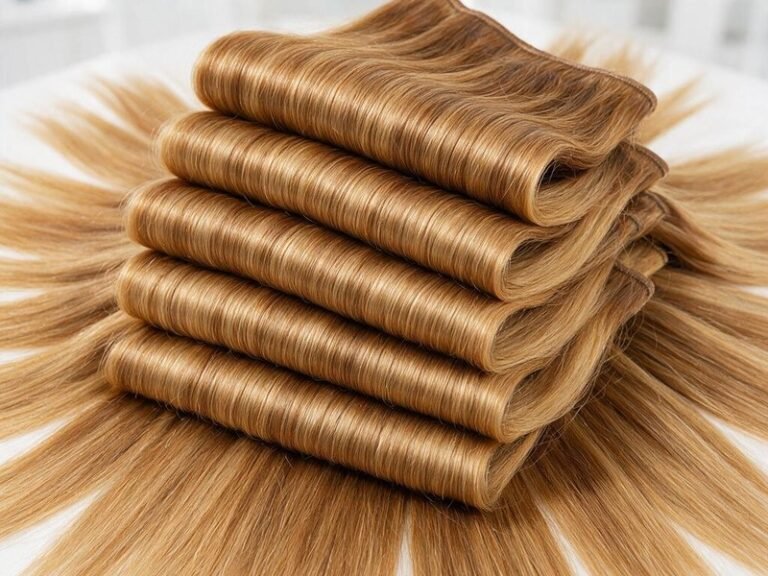
What Is a Weft Shedding Test and How to Perform It
A weft shedding test is a quick, repeatable quality check that measures how many loose hairs fall out of a hair weft (the stitched, reinforced edge of hair extension bundles) when pulled or shaken, to gauge construction durability. We run this test on every batch of weft hair in our warehouse before shipping, and it’s one of the fastest ways for buyers to catch low-quality stock before it hits your salon shelves or resale inventory. If you’ve ever had a client complain about handfuls of hair falling out mid-sew-in, this test is your first line of defense.
Why does a weft shedding test matter for my business?
We see buyers skip this test all the time to save 5 minutes, only to end up with 20% of a batch unusable and clients asking for refunds. A single bad batch of shedding wefts can cost a salon $500+ in rework time and lost repeat business, and for resellers, it tanks your review rating fast. This test catches flaws like loose stitching, misaligned weft cuts, or non-Remy hair (hair where cuticles face mixed directions, unlike Remy hair which has aligned cuticles to reduce shedding) before you pay for a full order. For braiders ordering bulk for sew-ins, it also helps you avoid wasting time picking out loose hairs mid-appointment.
What you’ll need to run the test
You don’t need fancy lab gear — most of this stuff you already have lying around your salon or stock room. Grab a clean white towel or sheet of paper to catch shed hairs, a small pair of scissors to trim any stray threads if needed, and a digital scale if you want to calculate shed percentage for more precise batch tracking. If you’re testing pre-order samples, make sure you have the full 100-gram bundle, not just a 10-gram snippet, because smaller samples don’t give an accurate read. You’ll also want a pen and notebook to log results, especially if you’re comparing multiple suppliers.
Step-by-step weft shedding test method
- Hold the weft (stitched edge) of a full 100-gram bundle firmly in one hand, with the hair hanging straight down.
- Shake the bundle hard 10 times in a steady, up-and-down motion, holding only the top ½ inch of the weft.
- Set the bundle down, then gather all shed hairs from the towel or paper below, making sure not to pick up any loose lint or threads.
- For a pull test (more rigorous than shaking), grip a 1-inch wide section of hair near the ends and pull firmly downward once, like you’re brushing out a tangle.
- Count or weigh the shed hairs to compare against your quality baseline.
- Repeat the test on 2-3 random bundles per batch to avoid judging an entire lot by one flawed piece.
How many shed hairs are normal for a good weft?
For a standard 100-gram machine weft bundle of virgin hair (hair that’s never been chemically processed or colored), 5 to 15 shed hairs after a 10-shake test is totally normal. Anything over 25 shed hairs per shake test is a red flag, and means the weft stitching is too loose or the hair was cut incorrectly during production. For more detailed breakdowns of stitch count per inch and acceptable shedding rates, check out our guide to machine weft stitching and shedding standards. Hand-tied wefts will shed slightly less overall, but they’re also more fragile if you pull too hard during testing, so adjust your baseline accordingly.
Common test mistakes that throw off results
The biggest mistake we see is testing only the top few inches of hair, instead of the full bundle — shorter strands near the weft are more likely to fall out naturally, so you’ll get an inflated shed count. Another common flub is holding the weft too low, which puts pressure on the stitching and yanks out hairs that wouldn’t fall out during normal wear or install. If you’re testing hair that’s already been brushed or combed right before, you’ll get a lower count than real-world use, since loose surface hairs get removed early. Once you’ve confirmed your wefts pass the test, you can learn more tricks to prevent weft shedding during installations to keep clients happy long-term.
Can I use a shedding test on other hair extension types?
You can adapt the basic shake test for most extension styles, but you’ll need to adjust your baseline for each format. Tape-ins and k-tips, for example, will shed fewer hairs overall because the attachment point holds strands tighter than a standard weft. If you’re testing bulk hair for braiding, you’ll want to do a pull test instead, since there’s no weft to hold onto.
Do I need to test every single bundle I order?
For regular orders from a supplier you trust, testing 2-3 random bundles per 20-bundle batch is enough to catch widespread quality issues. If you’re trying a new supplier for the first time, test at least 10% of the order before you accept delivery, and flag any batches that fall outside your acceptable shed range. For more answers to common wholesale hair questions, check out our FAQ page anytime.
If you’re tired of guessing about weft quality and want pre-tested bundles that hold up to daily salon use, browse our full line of weft and bulk hair to find the textures your clients ask for most. We run shedding tests on every batch before it leaves our warehouse, so you can spend less time doing QC and more time growing your business.
Send Us Your Hair Inquiry
Need bulk pricing, samples, or a private-label quote? Fill in the form and our team will get back to you within one business day.