Machine Weft Hair: Stitching Density and Shedding Standards
If you’ve ever had a client storm back to your salon mad because their machine weft hair install shed a handful of hair two weeks in, you know the problem almost always traces back to the weft itself, not the install. We’ve spent 11 years pulling wefts apart on our warehouse floor, arguing with factory line leads about stitch count, and testing batches from half a dozen production lines to figure out what actually causes excess shedding, and what’s just marketing fluff. Today we’re breaking down the real numbers behind stitching density, the shedding standards you should actually hold your supplier to, and the tradeoffs no one advertises when you’re comparing wholesale prices.
What “stitching density” actually means on a factory floor
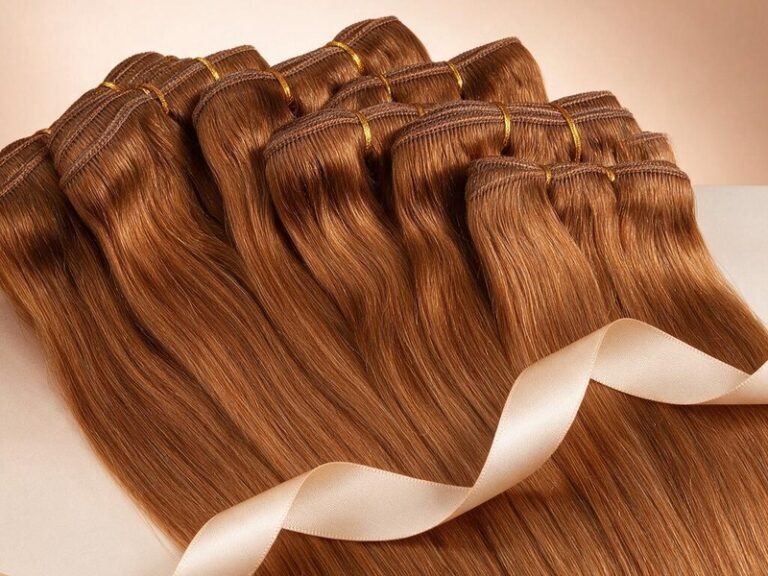
A lot of vendors throw around “double stitched” like it’s a magic bullet for zero shedding, but the phrase is meaningless without hard numbers. Stitching density is just how many stitches run per linear inch along the top of the weft, plus how those stitches lock the hair fibers in place. Most budget lines run 6-8 stitches per inch, held together with a single thin nylon thread. Those feel flimsy when you run your finger along the top, and if you tug a single hair near the track, you can pull it free without much effort. Our standard mid-tier and premium machine weft hair runs 12-14 stitches per inch, with two interlocked polyester threads, because we found that’s the sweet spot where you don’t get thread breakage even when stylists cut the wefts for custom installs.
Higher stitch count doesn’t always mean better, by the way. We tested a batch once from a new factory that ran 18 stitches per inch, thinking that would be indestructible. Turns out the stitches were so tight they sheared right through the cuticle of the hair at the track, leading to 3x more shedding after the first wash. Total waste of money, and we sent the whole 40kg batch back. When we test batches, we see pretty consistent performance across stitch counts, all other things equal:
- 6-8 stitches per inch, single chain stitch: 3-7% expected shed, high risk of unraveling when cut, budget tier
- 12-14 stitches per inch, double interlock stitch: 0.5% expected shed, no unraveling when cut between stitches, mid to premium tier
- 16+ stitches per inch, over-tightened thread: 2-4% expected shed from cuticle shearing, stiff track, no real benefit
That’s a bad deal. You pay more for a “reinforced” weft, and you actually get worse performance.
The real shedding standard no one lists on their product page
Zero shedding is a marketing lie, full stop. Any hair that’s been sewn into a weft will have a small number of short, cut fibers that fall out the first time you brush or wash the install—that’s residual from the production process, not a defect. The actual industry standard we hold every batch to, and what you should expect, is less than 0.5% of total weft weight lost as shed hair over the first three washes and 30 days of wear.
Do the math: For a standard 100g bundle, that’s 0.5g total shed, about the size of a quarter if you balled those loose hairs up. Any more than that, and you’re looking at a stitching or fiber alignment issue at the factory. We test this every time a new batch comes in: we cut a 10-inch section of weft, seal the ends, wash it three times with sulfate shampoo, brush it 50 times per wash, and weigh the loose hair. If it crosses that 0.5% threshold, we don’t ship it. If you’re fuzzy on how bundle weight translates to actual fullness for installs, we put together a quick guide that walks through gram weight and density specs so you don’t get tricked by underweight bundles marketed as premium.
If you’ve ever bought budget wefts that shed a whole brush full every time you run a comb through, that’s almost always because the factory skipped the post-production de-fuzzing step, where they run a fine-tooth comb along the track to pull out those loose cut fibers before packing. Those budget wefts can shed 3-5% of their weight in the first two weeks, which is enough to make tracks look thin and clients furious.
What happens when you cut a machine weft?
A lot of new stylists hear they can’t cut machine wefts because they’ll unravel and shed everywhere. That’s only true for cheaply stitched wefts. Think about it: If the stitches are interlocked every 1/12 of an inch, cutting between two interlocked points won’t make the whole track unravel, any more than cutting a knit scarf between two stitches will make the whole thing fall apart.
The problem comes when factories use a simple chain stitch instead of an interlock stitch. Chain stitch is faster to run—factories can crank out 30% more weft per hour with it—because it’s one thread looped through itself, no interlock. Cut one point on a chain stitch weft, and the whole line of stitches will pull free if you tug on the thread end, leading to massive shedding. We’ve had buyers call us panicking because they bought cheap wefts, cut them for a client’s sew-in, and by the end of the install there were clumps of hair falling off the track. Quick fix for those if you’re stuck? A dot of clear nail polish or weft sealant on every cut end, but that’s a band-aid, not a solution. It adds 20 minutes of work per install, and it can make the track stiff and scratchy against the client’s scalp.
If you’re regularly doing installs that require tons of small, cut weft pieces, you might also want to compare options against tape-ins, since we break down the core differences in our weft vs tape-in comparison.
The price vs. stitch quality tradeoff you’re actually paying for
Right now, wholesale pricing for 100% virgin Remy machine weft ranges from $28 to $65 per 100g bundle, depending on length and origin. The gap between the $28 budget bundles and the $45 mid-tier bundles isn’t all hair quality—about $4 to $6 of that difference is stitching quality and post-production testing. Budget factories skip the interlock stitch, run lower stitch counts, skip post-production loose hair removal, and do zero shed testing to keep costs down. You’ll save $10 a bundle upfront, but how much does that cost you when a client demands a full refund, leaves a 1-star review, and never comes back?
We did the math for a salon owner we work with in Atlanta last year: she switched from $29 budget bundles to our mid-tier wefts, paid $12 more per bundle, and cut her shedding-related client complaints by 92% in six months. She didn’t raise her install prices, and her repeat booking rate went up 18% because clients stopped having bad experiences. We work with everyone from solo braiders who stock a handful of bundles for quick weaves and sew-ins, to salon owners who carry 20+ shades across multiple lengths, to resellers who mix weft stock with bulk hair for braiding to give their customers more style options. Every single one of those buyers gets the same stitch density and shed test results before their order ships, no matter how small or large their MOQ is.
Worth noting: Higher price doesn’t always mean better stitching. We’ve seen $70+ “luxury” bundles come through our door from name brands that run 7 stitches per inch with basic chain stitch, because they know most buyers don’t think to check the track. All they check is hair texture and packaging. Don’t fall for that. Flip the weft over, run your finger along the stitch line. If the stitches are uneven, if you can see gaps larger than a pinprick between stitches, if you can pull a hair free from the track with a light tug, it doesn’t matter how fancy the box is—it’s going to shed.
Quick answers to the questions we get every week
Can I seal my wefts to reduce shedding even more?
You can, but don’t overdo it. A light sealant on cut ends is fine for extra peace of mind, but globbing sealant over the entire stitch line makes the weft stiff, so it won’t lay flat against the scalp. If you buy wefts that meet the 12-14 interlock stitch per inch standard, you don’t need full weft sealing at all.
Does curly or coily machine weft hair shed more than straight?
It can, if the factory doesn’t adjust stitching tension for the texture. Curly and coily hair has a thicker cuticle layer, so running the same tight stitch tension used for straight silky hair can shear those cuticles, just like that over-dense 18 stitch per inch batch we mentioned earlier. We adjust stitch tension by texture to hit that same 0.5% max shed standard across all textures, so you don’t have to guess.
How do I check stitch density when ordering samples?
It’s easy. Grab a ruler, count the stitches across one linear inch of the track. Then tug gently on a few hairs right at the stitch line—if they pull free with almost no effort, density is too low. Flip the weft over to check for interlock stitches: you should see two threads twisted around each other at every stitch point, not a single looped thread. If you have other questions about sample orders, shipping, or color matching, our frequently asked questions page covers most of what first-time wholesale buyers ask.
Next time you’re comparing weft samples, don’t just run your fingers down the hair strands to check softness. Flip the track over, count the stitches, give a light tug. That 30-second check will save you hours of client headaches down the line. If you’re ready to test batches that meet our stitch density and shed standards, you can browse current stock and order samples anytime.
Send Us Your Hair Inquiry
Need bulk pricing, samples, or a private-label quote? Fill in the form and our team will get back to you within one business day.