Tape-In vs Sew-In Extensions: Which Works for Oily Scalps
For an oily scalp, sew-ins usually beat tape-ins because wefts leave fewer adhesive tabs against oily roots. Tape-ins can still work, but heavy sebum makes them lift faster. Here’s what we see and how to advise clients.
Why oily roots are hard on tape-in tabs
Tape-ins are adhesive sandwiches, roughly 1.5 inches wide, pressed into clean root sections. Sebum is the waxy scalp oil that travels down the hair and softens that sticky edge. A typical client gets four to six weeks; an oily client may see lifting at two or three. Conditioner, dry shampoo, serum, and sweat speed it up. They’re not off the table, but prep and home care have to be stricter.
Do sew-ins really handle oil better?
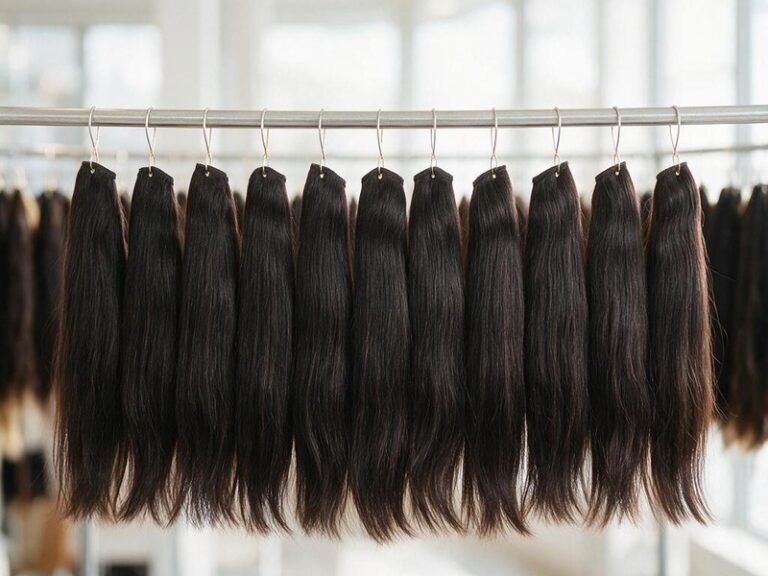
A sew-in uses a weft, a stitched horizontal track of hair sewn onto braids instead of glued to the root. That gap is its main advantage on an oily scalp, because there’s no tab for sebum to dissolve. Oil still collects between braids, under nets, and around tracks, causing itch, flakes, or odor. The style hides roots well, but it can also hide buildup until removal. For heavy oil, sew-in is the safer default for six to eight weeks of wear.
Which style slips less and pulls less?
Tape-in slippage is the complaint we hear most: one corner lifts, the client picks, and the tab separates. Sew-ins don’t slip like that, but tight braids plus oily buildup can feel heavy around the edges. On fine or thinning edges, avoid an overly dense sew-in; wet, oily braids add pull. Loose tape tabs also tug during brushing or ponytails. Neither method is automatically protective—sectioning and cleansing make the difference.
How often should an oily-scalp client wash?
With tape-ins, oily clients often wash every two to three days, shampooing roots while keeping conditioner off tabs. Show them to press and cleanse, not scrub, because rough handling lifts edges. A sew-in can usually go five to seven days, though daily workouts may mean twice-weekly cleansing. A nozzle or diluted shampoo helps reach braids, followed by a long rinse. If you color first, this guide on coloring tape-in extensions explains how developer can weaken tabs.
What should you stock for both requests?
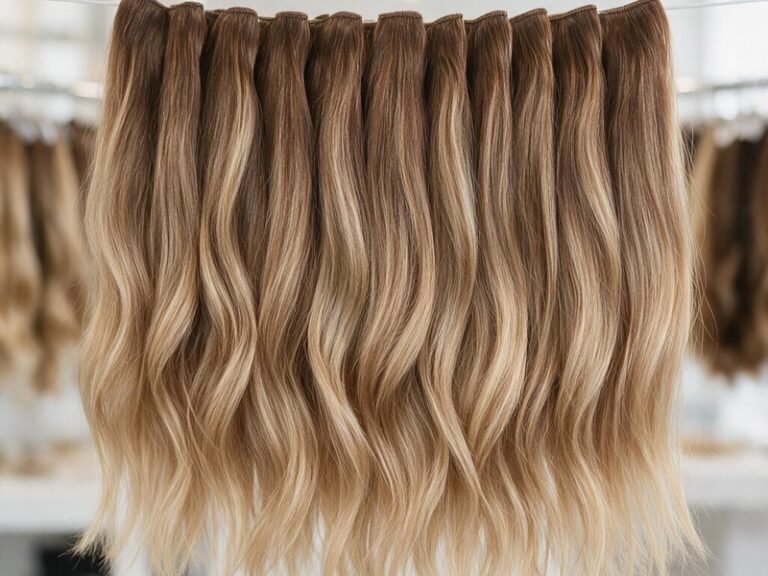
- Stock tape-in hair in 18, 20, and 22 inches; 50 grams adds partial volume, while 100 to 150 grams makes a full head.
- Carry weft hair for sew-ins; most full installs need three to four bundles from 18 to 24 inches.
- Use cuticle-aligned hair, meaning cuticles face one direction, so oil and washing cause fewer tangles.
- Offer replacement tabs, since oily clients may need early re-taps near the hairline.
- Our article on a balanced extension catalog can help you plan inventory without overbuying.
FAQ
Will an oily scalp make extensions smell?
Oil, sweat, and product can cause odor if they sit under dense tracks too long. Fix it with more frequent cleansing and a full dry, not perfumed sprays. Treat active dandruff or irritation before installing.
Can the same client wear both methods during the year?
Yes. Many salons switch to tape-ins for quick events and sew-ins for longer protective wear. Record her wash schedule, gram weight, and slippage so the next visit goes faster.
If you’re restocking, shop all hair extensions and compare weights and lengths before ordering. Tell us your clients’ hair types and oil concerns, and we’ll help you choose a starting mix.
Send Us Your Hair Inquiry
Need bulk pricing, samples, or a private-label quote? Fill in the form and our team will get back to you within one business day.