How to Choose a Bulk Hair Manufacturer
If you’ve ever gotten a bulk hair order that arrived with 30% short strands, mismatched texture, or a lead time three weeks later than promised, you already know picking the wrong bulk hair manufacturer eats directly into your profits and your reputation. We’ve talked to hundreds of salon owners, braiders, and resellers over the years who’ve wasted thousands on bad orders, and almost all of those missteps trace back to skipping a few critical checks before placing that first bulk deposit. This isn’t about chasing the cheapest price or the fanciest website; it’s about knowing what red flags to spot before you hand over your money.
Don’t pick a supplier based on their prettiest social posts
Nine times out of 10, those viral clips of perfect hair loops and zero flyaways are shot on custom sample pieces, not the stock they ship out for regular bulk orders. We once had a braider from Atlanta show us an order she received from a viral supplier: the curls were so loosely coiled compared to the ad clips, she couldn’t use them for the 8 boho braid clients she had booked that week, and the supplier refused to issue a refund because “texture is subjective.”
You don’t need a manufacturer with a fancy production studio or 100k followers to get good hair. What you do need is proof of regular, off-the-shelf product. Ask them to send a 30-second unscripted video of them grabbing a random bundle from their warehouse shelf, weighing it on a scale, and running a comb through it from root to tip. If they hem and haw or send another polished ad clip instead? Walk away.
Know the non-negotiable quality checks to confirm up front
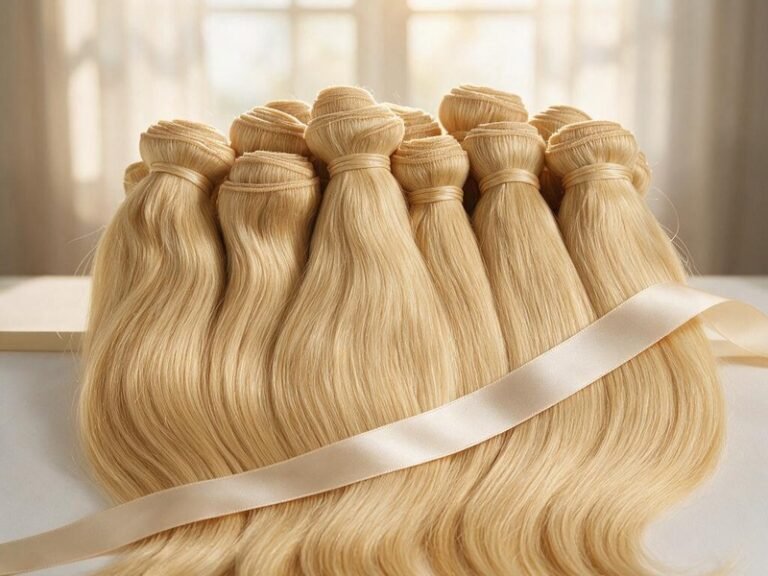
There are a handful of common shortcuts manufacturers take that you will never spot on a 2-inch sample swatch, and they all add up to hair you can’t use on paying clients. First, weight: a standard bulk bundle for braiding should weigh a true 100g, not 85g with extra-thick rubber bands and plastic packaging to make up the difference. We audit every batch in our warehouse, and we’ve seen competitors label 80g bundles as 100g to undercut prices by 10-15% — that adds up fast when you’re ordering 50 bundles at a time.
Second, cuticle alignment: a lot of suppliers slap a “Remy” label on hair that’s been acid-stripped and coated in silicone to feel soft initially. That coating washes out after two shampoos, leaving dry, tangly strands that mat up at the root a week into a braid install. If you’re not sure what specs to ask for to avoid that scam, our full guide to China suppliers breaks down the difference between marketing buzzwords and actual hair processing standards.
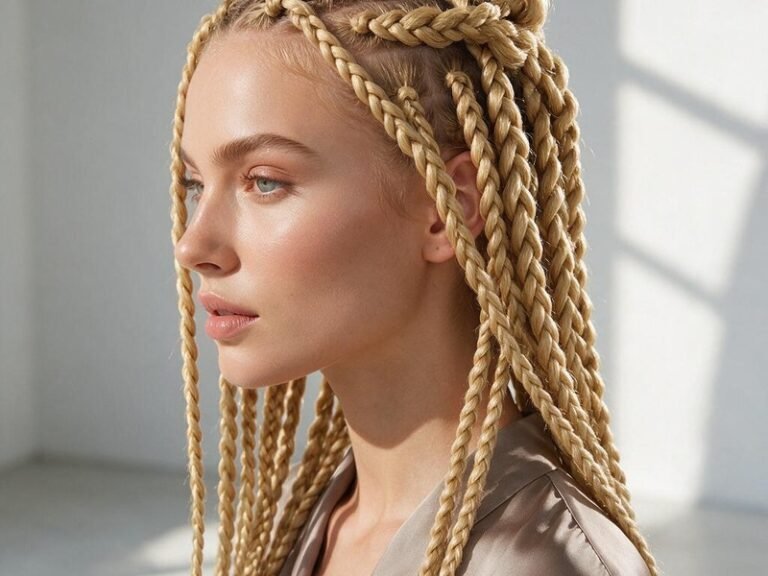
Third, length and texture consistency: you shouldn’t have 20% of the strands in an 18-inch bundle measuring 12 inches or shorter. That’s a common cost-cutting trick, and it leaves braiders fumbling with too many short bits that stick out of styles. If you specialize in boho braids, that texture mismatch is an even bigger problem, since those styles rely on loose, natural-looking textured ends. You can cross-reference the exact texture specs you should ask for with our boho braid hair guide so you don’t end up with silky straight hair when you ordered deep wave.
- $15–$25 per 100g bulk bundle: This is almost always non-Remy, silicone-coated hair with a 15-20% short-strand ratio. It lasts 1-2 weeks before tangling, works for one-time event styles but will frustrate repeat salon clients who expect braids to last 6+ weeks. Don’t expect consistent color or texture across batches here.
- $28–$45 per 100g bulk bundle: This is the sweet spot for most salon and resale buyers: true cuticle-aligned hair, minimal shedding, consistent length, and natural textures that hold braids well. MOQs here usually sit at 10-20 bundles, accessible for small business owners, and most suppliers accept returns on clear defects.
- $50+ per 100g bulk bundle: This is premium unprocessed virgin hair, often single donor, ideal for high-end clients who want to reuse hair for 2-3 installs. Expect higher MOQs here (usually 50+ bundles per order) and longer lead times for custom shades.
Test every bulk hair manufacturer’s communication first
Lead time miscommunication is one of the biggest pain points we hear about from new buyers. A lot of suppliers will quote you a 7-day lead time to get your deposit, then ghost you for three weeks when you follow up on tracking. You don’t need a supplier who replies at 2 a.m., but you do need one who gives you straight, specific answers to direct questions.
Before you send any money, ask: What’s your actual lead time for 30 bundles of 22-inch deep wave, right now? What happens if my order arrives damaged or doesn’t match the sample I tested? Do you keep regular stock of bulk hair for braiding in the colors I order regularly, or is every batch made to order? If a supplier dodges those questions, or only replies with generic “we have the best quality” lines without specifics, that’s a red flag.
We always tell new buyers to start with a small test order of 3-5 bundles first, no matter how good the pricing looks. It’s a $100-$200 investment to save you from wasting $2,000 on a bad bulk order that you can’t sell or use on clients. Also, ask if you’ll have a single point of contact for orders, or if you’ll be passed between 5 different sales reps every time you have a question. There’s nothing more frustrating than explaining your custom color mix to a new rep every time you reorder.
Don’t ignore their MOQ and flexibility fine print
MOQs aren’t one-size-fits-all, and a lot of new buyers get tricked by advertised “1 bundle MOQs” that only apply to clearance overstock colors no one wants, while the popular natural brown and blonde shades have a 50-bundle MOQ. Be upfront about what you need: if you’re a small braider just starting out, you don’t want to lock into 100 bundles of hair when you only see 5 braid clients a month. If you’re a larger reseller, you’ll want to confirm if they can do custom color blends or custom texture runs for your brand, and what the MOQ is for those custom orders.
Also, ask about their defect policy: what percentage of defective bundles will they replace for free? The industry standard is 2-3% — any supplier who says they have 0 defects is lying, because hair is a natural product, and small inconsistencies pop up even in the most tightly audited batches. If they won’t cover replacements for obvious defects like mismatched texture or mislabeled lengths, cross them off your list.
You don’t have to pick the biggest manufacturer with the lowest per-bundle price, but you do need to pick one whose order limits match where your business is right now, not where you hope to be in two years. A lot of new buyers over-order to hit a “wholesale discount” tier, only to have $1,000 of hair sitting on their shelf for 6 months because they picked a texture their clients don’t actually ask for.
Quick answers to the questions we get most often
Do I need to visit a factory in person to vet them?
No, not unless you’re placing six-figure annual orders. For most small to mid-sized buyers, asking for unscripted warehouse videos, testing sample orders, and checking recent buyer references (not the curated testimonials on their website) is more than enough to confirm they’re legitimate. If you want to double-check standard industry terms before reaching out, you can flip through our common ordering FAQ to know what normal policies look like.
Is it always better to pick the cheapest supplier per bundle?
Absolutely not. Let’s do quick math: if you save $3 per bundle on a 50-bundle order, that’s $150 saved upfront. But if 20% of those bundles are too short, coated in silicone, or the wrong texture, you’re out the full cost of 10 bundles, plus the lost revenue from clients who leave bad reviews and don’t come back. That $150 savings can easily cost you $1,000 or more in long-term business.
How long should a good manufacturer take to ship a standard bulk order?
For in-stock hair, 3-7 business days to process, plus standard shipping time to your location. For custom color or custom texture orders, 10-18 business days is normal. Any supplier that promises 2-day shipping on every possible order is either holding massive amounts of overstock (which means hair might be sitting on shelves for months, drying out) or lying about their lead time.
At the end of the day, choosing a bulk hair manufacturer isn’t about finding a “perfect” supplier — it’s about finding one that’s transparent, consistent, and aligned with what your business actually needs. We’ve seen buyers stick with suppliers for 5+ years not because they had the fanciest website, but because they showed up consistently, owned up to the rare mistake, and didn’t cut corners on quality to save a buck. If you’re ready to test out a new supplier, start small, ask the hard questions up front, and don’t let a cheap price tag talk you into a bad bet.
Send Us Your Hair Inquiry
Need bulk pricing, samples, or a private-label quote? Fill in the form and our team will get back to you within one business day.