How to Build a Brand Around Raw Hair Bundles
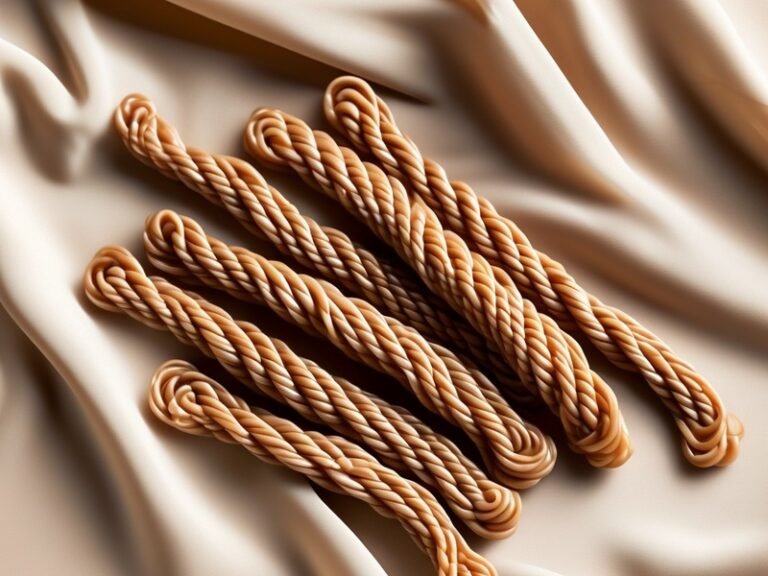
Building a brand around raw hair bundles—bundles of unprocessed donor hair—means selling one consistent quality, stating the hair’s true source and processing, and backing every batch with the same weights, lengths, and policies. The hair gets attention; trust brings repeat orders.
What kind of raw hair should your brand actually sell?
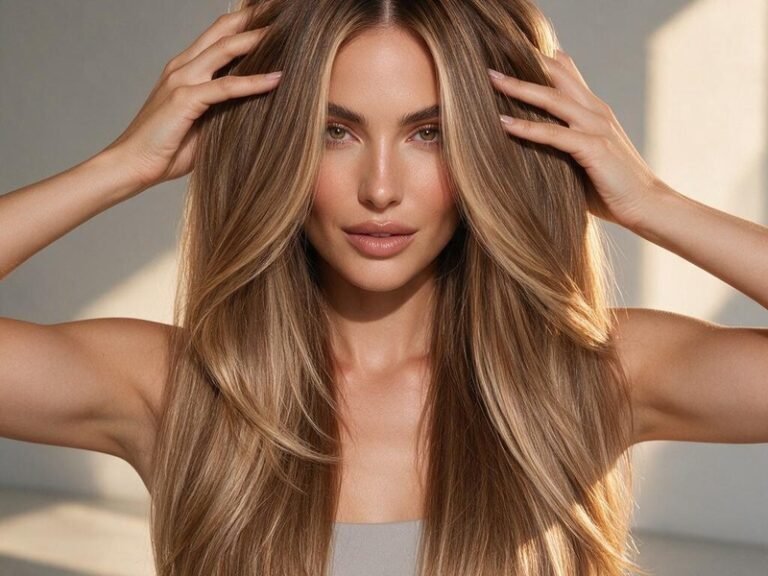
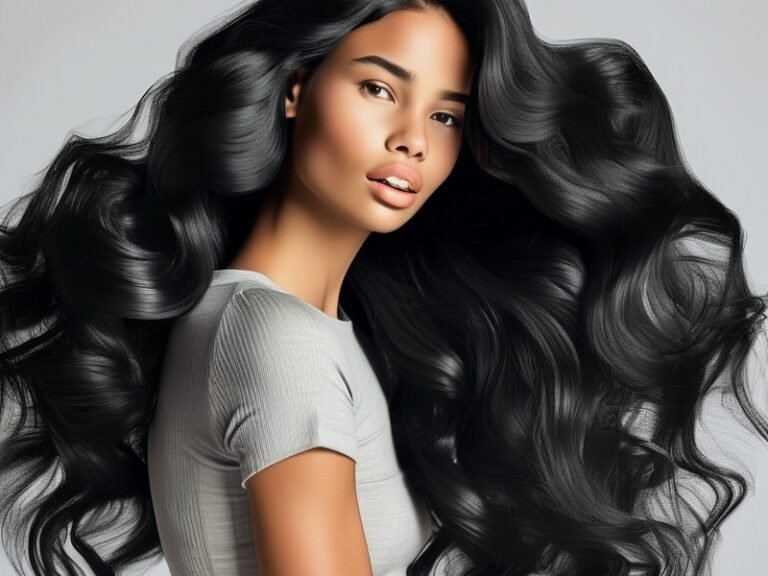
Quality raw hair should have intact, cuticle-aligned strands; cuticle aligned means the outer scales run one direction, reducing tangles. Pick two textures, such as straight and body wave, in 10–24 inches before adding curly or coarse options. Curly hair shrinks and needs clearer care guidance, so don’t launch it unless you can support buyers. Never label steam-processed or silicone-coated stock as raw; customers notice after two washes.
How do you find a raw hair supplier you can trust?
Most new bundle brands start with weft hair, which is hair sewn onto a track for sew-in installs, but you should still sample two or three suppliers instead of chasing the lowest list price. Compare 95–100 gram bundles for shedding, smell, flyaways, and weft quality after washing. Ask about source, cuticle direction, stock depth, and lead times; stock usually ships in 3–7 days, while custom packaging takes 2–5 weeks. We’ve put together a guide on how to source raw hair bundles without getting scammed, and avoid any vendor who refuses samples or factory videos.
Your brand lives in consistency, not a fancy logo
A logo helps, but buyers return because March’s 18-inch body wave matches June’s. Lock specs: 95–100 grams, aligned cuticles, minimal short hairs, consistent pattern, and matching color tone. Use stock packaging until you’ve sold 50–100 orders; custom logo minimum order quantities, or MOQs, often start at 50–100 pieces. Add a batch number to every invoice so shedding complaints can be traced instead of guessed.
How many raw hair bundles should a new brand launch with?
I’d start with 30–50 pieces across two textures and five lengths, not a wall of hair. A full sew-in usually needs three to four bundles; 22–30 inch installs often need four because each bundle stays near 100 grams. Keep cash for reorders instead of tying it up in branded bags. You can test bulk hair for braiding later, but keep raw bundles as your core message. When one texture gets three repeat orders in a month, deepen stock and ask for tiered pricing.
Show the hair working, not just looking pretty
Show the hair washed, air-dried, curled, and reinstalled in real phone videos. Share stylist and customer clips with permission; those are more credible than polished ads. Post clear policies for shedding, exchanges, and processing time on your FAQ page. Use our raw hair pricing guide so fast sales actually cover shipping, packaging, and your time.
Frequently asked questions
Is raw hair the same as virgin or Remy hair?
Raw hair is unprocessed from a controlled donor source. Virgin hair is unprocessed but may mix donors; Remy means cuticles face one direction, though the label is often loose. Ignore grades like 10A and test samples instead.
How long should raw hair bundles last?
Good raw bundles often last one to three years with gentle washing, conditioning, heat control, and nighttime protection. Curly or color-treated hair needs more care, and no supplier should promise every install lasts that long. If a batch tangles early, pause it and investigate with your vendor.
A real brand is built on consistent batches, honest descriptions, and customers who refer friends. When you’re ready, shop all hair extensions by ordering samples first, then scale the textures buyers repurchase.
Send Us Your Hair Inquiry
Need bulk pricing, samples, or a private-label quote? Fill in the form and our team will get back to you within one business day.