Hair Density Charts Explained for Bundles, Closures, and Wigs
If you’ve ever ordered 3 bundles of 24-inch hair only to have a client complain it feels thin at the ends, you’ve run into a density mismatch most new buyers miss. We see this mistake every week in our warehouse, usually because people don’t know how to read hair density charts across different product types. This guide breaks down the actual numbers we use for wholesale orders, no marketing fluff.
What hair density charts actually count (and what they don’t)
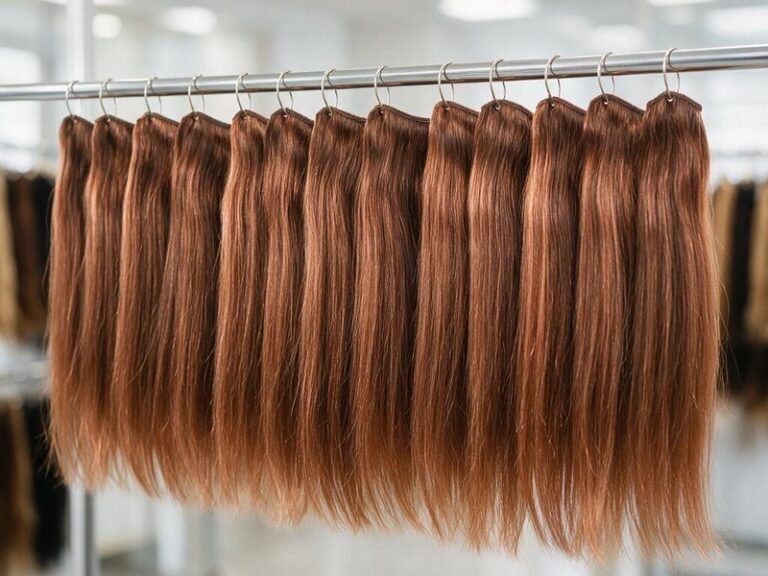
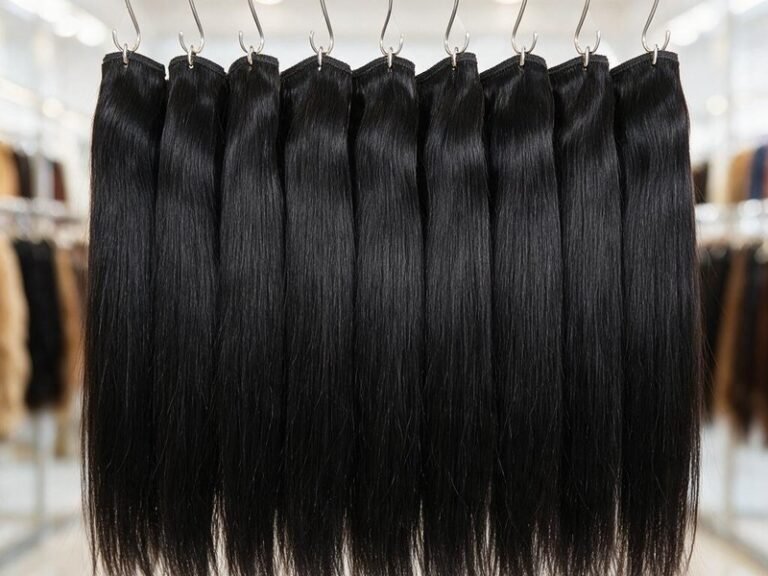
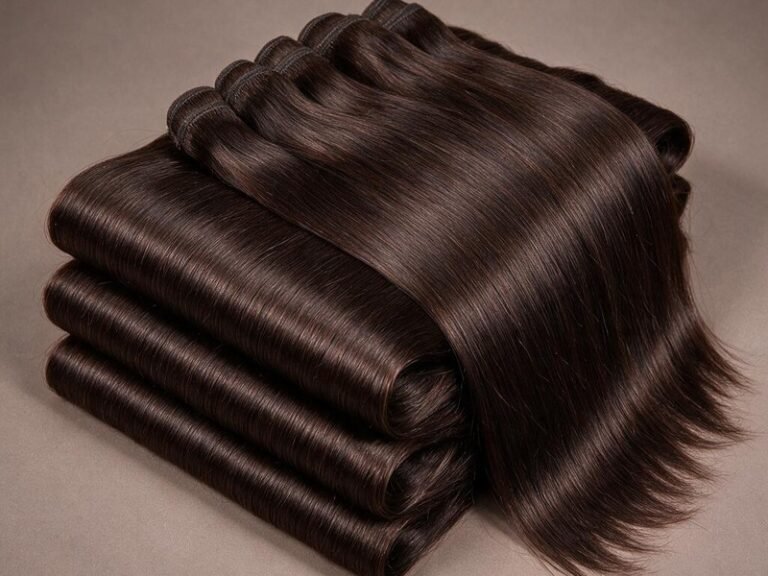
Most charts list density as a percentage, but that number refers to how much hair is stitched or rooted into a base, not the total weight of a bundle. For weft hair and bulk hair, density is usually tied to standard bundle weight — 100g for most straight human hair bundles, 95-98g for curly styles because shrinkage makes the weft feel denser per inch. A lot of cheap suppliers fudge this by listing 120% density but only packing 90g of hair, so you can’t just go by the label alone. We always recommend weighing bundles on a small kitchen scale when you receive a new shipment to confirm the density matches what you ordered. If a supplier can’t give you exact gram weights, that’s a red flag you’re not getting what’s advertised.
Bundle density: how length changes what you need
A common myth is that 3 bundles work for every install, but longer hair has thinner ends because each strand runs the full length, so you need more bundles to hit the same density at the bottom. For 10-14 inch hair, 2 bundles of 100g hair will give you 150% density (the most popular natural look) when paired with a standard 4×4 closure. For 22-26 inch hair, you’ll need 4 bundles of 100g hair to get that same 150% density at the ends, otherwise the style will look stringy by week 2. If your clients prefer a super full, influencer-style look, you can bump that up to 5 bundles for 200% density, but we warn people it gets heavy fast for daily wear. We’ve had braiders tell clients with 28-inch hair to expect some scalp soreness with 5+ bundles, even with the lightest human hair.
Closure density numbers that actually look natural
Closures and frontals use a different density scale than bundles because the hair is rooted into a lace base, not stitched into a weft. 130% density is the baseline for a natural scalp look, but it can look sparse if you’re pairing it with 180%+ density bundles. A lot of buyers ask for 180% closure density to match thick bundles, but that can make the hairline look like an obvious wig cap if the plucking isn’t done right. Our warehouse team usually recommends 150% density for closures paired with 150-180% bundle installs — it’s full enough to blend, and still looks natural when plucked. For 13×4 frontals, you can get away with 130% density since there’s more lace to spread the hair across.
Wig density charts: don’t fall for the 250% hype
Wig density is measured the same way as closures — percentage of hair rooted into the cap — but suppliers often inflate the numbers to make their wigs seem like a better deal. 150% is the most wearable everyday density, light enough for summer and full enough to not show the cap when you move. 200% is the go-to for clients who love big curls or voluminous straight styles, but if you mostly stock steam-styled curly hair, you can get away with 150% density on wigs since curls automatically look fuller. We’ve tested 250% density wigs in our sample room, and honestly, they’re only good for photo shoots — they’re too heavy for regular wear, and the hairline never looks natural without heavy plucking. They also cost 30-40% more than 150% density wigs, which is a hard sell for most everyday clients.
Quick density cheat sheet for common orders
- 10-14 inch natural install: 2 100g bundles + 130% 4×4 closure = 150% overall density
- 16-20 inch natural install: 3 100g bundles + 150% 4×4 closure = 150% overall density
- 22-26 inch natural install: 4 100g bundles + 150% 4×4 closure = 150% overall density
- Everyday straight/wavy wig: 150% density, works for most daily wear
- Photo/performance curly wig: 200% density, holds volume through styling
- Bulk hair for braids: 100g per pack = medium knotless braids, 150g per pack = thick boho braids
Do density numbers mean the same thing across all suppliers?
No, they don’t — there’s no universal industry standard, so some suppliers count density by weight and others count by strands per square inch. The only way to compare apples to apples is to ask for the exact gram weight of the product, not just the density percentage.
Can I mix different density products in one install?
Absolutely, as long as you blend the ends properly — most people mix a slightly lower density closure with higher density bundles for a more natural hairline. Just make sure the curl pattern matches — we’ve got a guide on curl pattern consistency if you need tips — otherwise the density difference will be way more noticeable.
If you’re still not sure what density to order for your next wholesale shipment, reach out to our team — we can help you build a custom pack based on your client base and budget. You can also shop all hair extensions on our site to see exact gram weights and density options for every product type.
Send Us Your Hair Inquiry
Need bulk pricing, samples, or a private-label quote? Fill in the form and our team will get back to you within one business day.