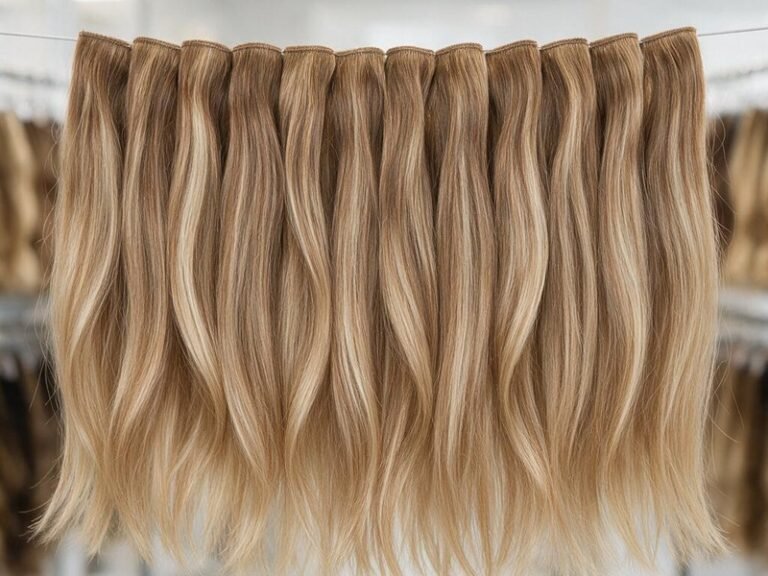
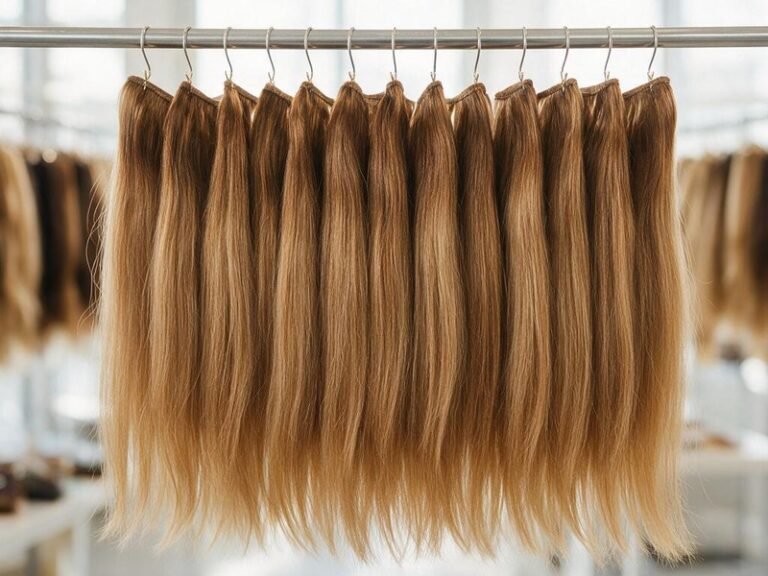
K-Tip vs I-Tip Extensions: Wholesale Buying Guide
If you’ve spent any time sorting through extension stock for your salon, braiding studio, or resale shop, you’ve probably stared at k-tip and i-tip options wondering which is worth tying up your inventory budget in. We’ve seen hundreds of buyers order the wrong style for their client base, get stuck with slow-moving stock, or overpay for features their customers never actually ask for, all because they picked based on social media hype instead of real, on-the-ground usage. This guide breaks down the actual differences that matter for k-tip vs i-tip extensions wholesale orders, no fluff.
First, the actual on-the-head difference (no textbook jargon)
Most new buyers mix these up because both are individual strand methods, no weft, applied one small section at a time for a natural, moveable finish. K-tips have a small, solid keratin bond at the end of each strand, usually shaped to a narrow, flat edge that melts when you apply low heat from a fusion tool, then fuses directly to a tiny section of the client’s natural hair. A standard k-tip strand is 1 gram, and most full heads need 125 to 175 strands, depending on natural hair thickness and desired fullness. If you’ve only ever worked with weft or tape-in styles, both will feel fussy at first, but k-tip strands have a softer, more flexible bond once cured, which is why they’re so popular with clients who wear their hair up in ponytails or braids constantly.
I-tips have a hard, cylindrical, stick-shaped tip (that’s the “i”) that gets clamped inside a tiny silicone-lined microbead, no heat required at all. No fancy tools required, really. Just a bead, a clamp, and a steady hand. Same standard 1 gram per strand, same average strand count for a full install, but the removal and move-up process is totally different from k-tips.
What your cost per strand actually looks like
This is where most first-time bulk buyers get sticker shock, or worse, get lured in by rock-bottom prices that fall apart after one client wash. Let’s run the real numbers, based on what we ship out of our warehouse every week.
Standard 100% Remy human hair k-tips run $0.85 to $1.35 per strand, depending on length (12 inch to 30 inch) and whether you pick virgin unprocessed hair or pre-colored processed shades. I-tips, for the exact same hair quality, cuticle alignment, and length, run $0.70 to $1.20 per strand—about 10-15% cheaper across the board, because the tip manufacturing process is simpler, no need to mold and cure keratin to exact heat-melt specs.
If you see k-tips priced under $0.60 a strand, run. That “keratin” is usually cheap plastic-based adhesive that melts unevenly, leaves sticky residue in client hair, or slips out after two hot showers. Same for i-tips under $0.50 a strand—those tips are often coated in a cheap lacquer that cracks when you clamp the bead, leading to massive shed after the first week of wear.
Our standard MOQ for both styles is 50 strands per color and length, so you don’t have to dump thousands on a single shade to test demand. If you’re ordering enough to stock three or more lengths across two color families, you’ll usually hit the first pricing tier pretty quickly, which knocks another 8-12% off per strand—we break down how those thresholds work in our guide to wholesale volume discounts if you want to crunch numbers for your exact order size.
I-tips do have one hidden cost you need to budget for if you’re selling full install kits to stylists: the microbeads and clamping tool. K-tips only need a fusion iron, which most stylists who do individual strand installs already own, but if your customer base is newer stylists making the switch from tape-ins, you might need to stock beads alongside i-tips to move inventory faster.
Which one holds up better for your clients?
Wear time is where the two split hard, and it has nothing to do with hair quality, and everything with how the bond holds up to different client habits. K-tips, when installed correctly, last 3 to 5 months before they need to be fully removed and reinstalled. The keratin bond breaks down super slowly from natural hair oils and regular product buildup, so there’s no hard edge that tugs on natural hair as it grows out. The big downside? They don’t play well with clients who slather heavy oil-based serums right at the root, or who hit the sauna 3+ times a week. Constant heat and excess oil break the keratin down faster, leading to early slip and random strands falling out. We always share our care guide for k-tip aftercare with buyers who stock them, because 90% of “bad bond” complaints come from clients using the wrong hair products, not defective hair.
I-tips, by contrast, last 2 to 4 months, but they’re way easier to maintain between full installs. You just open the microbead with a clamp tool, slide the strand back up to the root, and re-clamp—no new bond, no acetone-based remover solution needed. That makes them a huge hit with stylists who specialize in low-damage installs, and with clients who are nervous about heat near their fragile roots or scalp. The catch? If the bead isn’t clamped tight enough, strands can slip out after a week of rough shampooing or high-tension hairstyles. If it’s clamped too tight, it can cause tension breakage, especially on clients with fine, color-treated hair. They’re also more prone to matting at the root if the client doesn’t brush thoroughly every day, because the hard bead can catch shed hair against the scalp.
If you’re trying to figure out which matches your core client base, ask yourself these quick questions:
- Do most of your stylists (or your own salon clients) book appointments every 6-8 weeks for move-ups? I-tips will be faster and easier to service without full reinstalls.
- Do you have a lot of clients who travel, workout daily, or go 10+ weeks between salon visits? K-tips are lower maintenance between appointments, with no beads to slide or re-clamp.
- Do you serve a lot of clients with fine, heat-damaged hair? Skip k-tips’ heat application, start with i-tips to reduce risk of further breakage near the root.
The inventory mistakes we see buyers make over and over
We’ve been packing orders in our warehouse long enough to see every bad inventory call there is. The most common? Loading up on 30 inch k-tips in neon pink and platinum white when 80% of their regular client base asks for 18-22 inch natural browns and warm blondes. We get it, the extra-long bright strands look incredible on Instagram reels, but they move 70% slower than natural mid-lengths, and you’ll be sitting on that stock for 6+ months unless you have a dedicated, consistent clientele for vivid, ultra-long installs.
Second mistake: Assuming i-tips are “one size fits all” so you only stock one size of microbead. If you sell i-tips, you need small silicone-lined beads for fine, straight hair, and larger, sturdier aluminum beads for thick, curly or coily hair. If you only carry one size, you’ll get frustrated returns from stylists who can’t get a secure hold on thicker hair, or who cause unnecessary breakage on fine hair from over-clamping beads that are too big.
Third mistake: Skipping tester bundles to save a few bucks. A lot of buyers jump in with a 500-strand order of a new style before they’ve even felt the bond, tested for shed, or run the hair through a few heat styling cycles. We always suggest ordering a 50-strand tester pack first, even installing a few strands on a mannequin or willing staff member to see how the bond holds up to regular washing, before you drop a big chunk of your inventory budget on full stock. If you’re still building out your core stock, you can mix small batches of k-tips and i-tips in with your usual weft hair and tape-in stock to test demand without overcommitting.
Quick answers to the questions we get every week
Which has better resale markup?
You can mark up both by about the same percentage—usually 200-300% over wholesale cost if you’re selling retail install packages to end clients, or 30-50% if you’re selling bulk strands to other stylists in your area. K-tips tend to have slightly higher perceived value because they’re often marketed as a “long-lasting luxury” option, so you can nudge your price up a few dollars per pack without pushback, as long as you’re transparent about cuticle alignment and hair quality. I-tips sell more consistently to clients who prioritize low-damage options, so you might make up the smaller per-unit margin in higher, more repeat volume.
Can I order mixed length packs for wholesale?
For both styles, yes, but only once you’ve hit the first volume pricing tier. Mixed packs (usually a blend of 14, 18, and 22 inch strands in natural black and dark brown) are a great starter option for pop-ups, mobile stylists, or new shop owners who don’t want to commit to full boxes of a single length. They do take an extra 2 business days to pack and quality check, so build that lead time into your schedule.
Do either work for curly or coily hair textures?
They do, but you have to make sure you order texture-matched strands, not just straight hair that’s been steam-permed to look textured. Straight hair that’s temporarily curled to match 3a to 4c textures will revert to straight after a few washes, leading to frustrated clients and bad reviews. We stock both k-tip and i-tip in true matching curly and coily textures that hold their pattern through washes and heat styling, so you don’t have to worry about that mismatch. If you’re unsure about processing times for custom color batches or texture matches, our FAQ page covers current lead times for both stock and custom orders, so you don’t promise clients a delivery date you can’t hit.
At the end of the day, there’s no universal “winner” between k-tip and i-tip extensions. There’s just the option that matches what your actual customers ask for, fits your inventory budget, and doesn’t leave you stuck with boxes of slow-moving stock you can’t move for months. You don’t have to pick one or the other forever, either. Plenty of our buyers stock 70% of one style, 30% of the other, and adjust that split as their client base shifts. If you’re ready to test a small batch, or have questions about custom colors or texture matching, you can reach out to our team directly through the site, or browse current stock levels to see what’s ready to ship same day.
Send Us Your Hair Inquiry
Need bulk pricing, samples, or a private-label quote? Fill in the form and our team will get back to you within one business day.