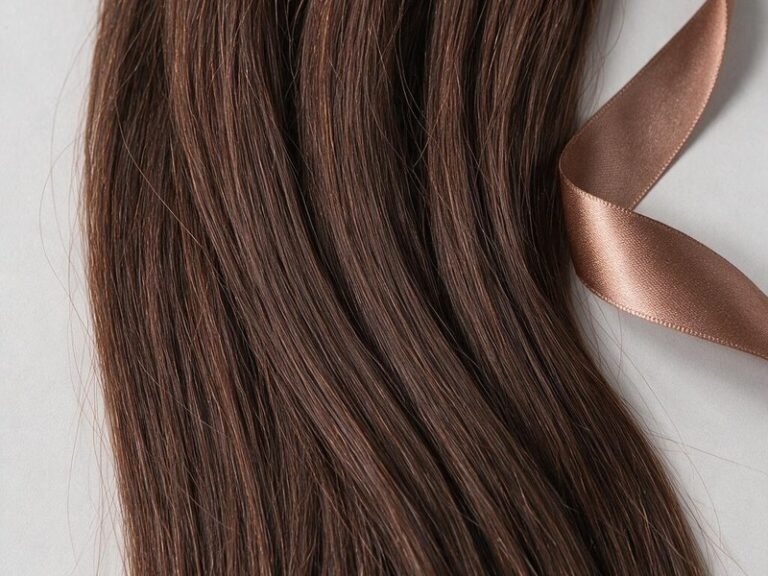
Best Hair Extension Tape: A Complete Buyer’s Guide
The best hair extension tape is a medical-grade acrylic or silicone tab made for tape-in extensions; it holds 4 to 8 weeks, resists water and product buildup, and removes without pulling natural hair. Tape-in extensions are thin hair wefts—hair bonded into a continuous track—taped to small slices of natural hair. If you buy for a salon or resale, choose based on hair type, scalp oil, and maintenance habits.
What actually makes the best hair extension tape?
Most tape failures we see aren’t from bad hair; they’re from using the wrong adhesive for the client. A good tab has clear film, even glue, and release paper that peels cleanly. Acrylic gives the firmest hold against oil and products, while silicone is gentler but may slip on fine or oily hair. Tabs should be 1.5 to 2 inches wide and thin enough not to show near the part. Match replacement tape to the original size; hand-cutting rolls wastes time at every reinstall.
How long does hair extension tape last?
Pro tabs usually hold 4 to 8 weeks; six weeks is realistic for gentle washing and no conditioner at the root. That assumes clean, product-free hair and no shampooing or heavy sweat for 24 to 48 hours. Oily scalps, hard water, dry shampoo, and swimming can drop wear to 2 or 3 weeks. Past 8 weeks, removal can cause matting and breakage. Tell resale clients longevity is mostly maintenance, not just glue.
Which tape works for fine, oily, or textured hair?
Fine hair needs medium-strength medical acrylic; overly aggressive glue can pull strands during removal. Oily hair needs a strong acrylic bond you can remove safely, applied to a clarified, dry root. Coarse or textured hair can take firmer tape, but the section must be flat and thin. Curly clients should keep oils and creams below the bond. Test gentle silicone on one or two pieces for sensitive scalps before a full install.
What causes tape slippage after installation?
The top cause is installing over dry shampoo, conditioner, shine spray, or scalp oil. The next is sections too thick; the tabs must touch around a very thin slice. Tight ponytails or buns before the bond cures can lift edges. Ripping tabs instead of using remover causes breakage. If you’re sourcing tape-ins, inspect every batch because adhesive ages in storage.
How do you compare tape price and quality?
Cheap tape saves a few dollars, but slips at week two cost salon time and trust. Pay more for consistent acrylic, clean release paper, and sealed packaging. A full head usually takes 40 to 80 tabs, depending on weft length and piece count. Before a 100-piece MOQ, test 2 or 3 sample sets; heat and humidity can weaken stock. Our tape in hair comes tabbed and pairs with replacement tape for maintenance.
Buyer FAQ
Can I use regular double-sided tape?
No. Regular fashion or craft tape isn’t made for skin, hair, or repeated shampoos, and it can leave gummy residue or pull strands. Use pro tabs made for your weft size, and give clients root-care rules. Our FAQ page covers more wholesale and install questions.
How many tape-in pieces do I need for a full install?
A typical full head uses 40 to 60 pieces—20 to 30 sandwiches, where two tabs press around a thin slice. Clients adding major length may need 60 to 80 pieces for fuller ends. Most pieces weigh 1.5 to 2.5 grams, putting a full install around 80 to 140 grams.
Order a small sample batch, test the bond on a mannequin or model, and check removal before you sell it to clients. Browse our shop all hair extensions or contact us with your market, and we’ll help match the hair and tape to the salons you serve.
Send Us Your Hair Inquiry
Need bulk pricing, samples, or a private-label quote? Fill in the form and our team will get back to you within one business day.