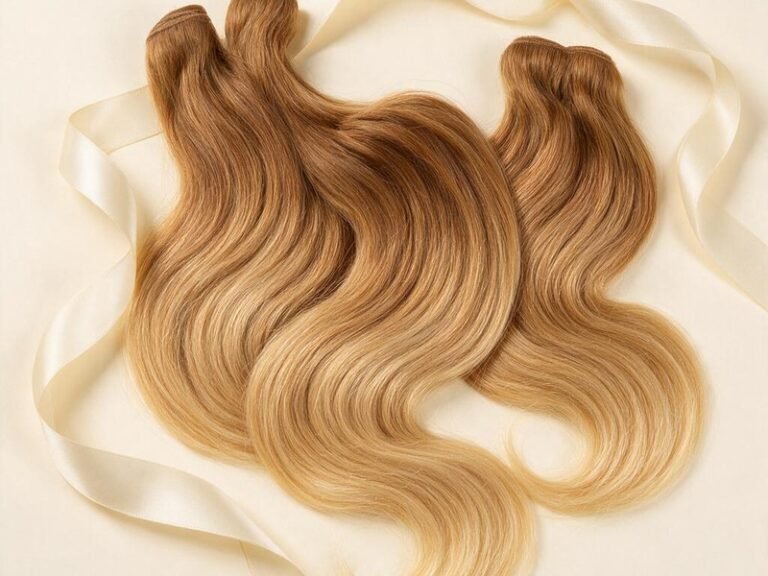
How to Find a Reliable Human Hair Supplier
If you’ve ever gotten a batch of hair that felt silky in the sample but turned into a matted, tangled mess after one client wash, you know how much a bad supplier costs. We’ve seen salon owners and resellers lose thousands in refunds, bad reviews, and wasted time chasing vendors who ghost after payment clears, all because they didn’t know how to vet a reliable human hair supplier. This isn’t the generic “check reviews” advice you see online — it’s what we’ve learned over years pulling orders in our warehouse, answering 2 a.m. texts from panicked braiders, and fixing messes other suppliers leave behind.
Skip the social media highlight reel first
Every supplier posts those sunlit reels of waist-length hair swishing in slow motion, but a polished feed doesn’t equal consistent stock. We see new buyers scroll TikTok or Instagram, see a viral post of perfect hair, drop $2,000 on an order, and never ask a single concrete question about what they’re actually buying. Half the accounts blowing up right now aren’t even holding stock — they’re drop-shipping from random third-party listings with zero quality checks, using influencer clips to sell hair they’ve never touched in person.
Don’t write off social media entirely, but treat it as a starting point, not a vetting tool. If you find a supplier that looks promising, pull up their website, look for actual contact information beyond a DM button, and work through a real checklist before you send money. We put together a simple guide to verify a human hair supplier that walks through the non-negotiable checks we’d use if we were sourcing from someone new, no fluff included.
Ask for specifics liars can’t fake
Anyone can type “100% virgin human hair” in a product description. The scammers count on you not asking follow-up questions that require real, specific answers. Skip the generic “is this good hair?” prompts, and ask details that force them to prove they know their own stock:
- Exact gram weight per bundle or pack — a huge number of vendors sell 95g bundles labeled as 100g to cut costs, meaning you’ll need 30% more hair per install to get the fullness your clients expect
- Actual cuticle alignment and processing method — if they say “double drawn” but can’t tell you what percentage of short hairs are removed (good double drawn is 70-80% uniform length; anyone who claims 100% is lying), walk away
- Real lead times for out-of-stock items, not the copy-pasted “3-5 day shipping” line on their homepage. Lots of suppliers quote fast shipping but wait to order from a third party once you pay, leading to 2+ week delays
If you’re ordering bulk hair for braiding, for example, ask what percentage of gray strands are in each batch. Cheaper stock often has 10-15% gray hairs you’ll have to pick out by hand, eating hours of your labor time before you even get to a client’s head. If a supplier dodges these questions, sends vague answers, or gets defensive that you’re asking? Move on.
Test samples the right way (don’t just run your fingers through it)
Almost every supplier will sell you a $20-$40 sample, and almost every buyer makes the same mistake: they run their fingers through it, hold it up to the light, decide it’s soft enough, and place a bulk order. That’s how you end up with silicone-coated hair that feels like butter out of the bag but turns into a matted bird’s nest after one wash.
We tell every buyer to take that sample home, wash it three times with clarifying shampoo (no conditioner), and let it air dry completely. If it tangles badly, sheds more than 10-15 strands per wash, or dries to a stiff, straw-like texture? That’s the bad stuff, no exceptions. You should also tug firmly along the tracks or bonds to test construction. If you’re evaluating machine weft hair, easy strand pull means you’ll deal with massive shedding when stylists cut the wefts for installs.
Sample testing takes a week, and it costs a little upfront to order samples from 2-3 suppliers, but it’s way cheaper than eating a $1,500 order of unusable hair. We’ve had buyers tell us they skipped it because they were in a hurry to stock up for prom season, and ended up with 50 bundles they couldn’t use. Total waste. Pay attention to response time during this process too. If they take four days to answer a simple question about the sample’s origin, imagine how hard it will be to reach them when you have a defective batch two days before a big wedding install.
A reliable human hair supplier won’t push too-good-to-be-true deals
Let’s be blunt: if a price seems too good to be true, it is. Right now, raw unprocessed 18-inch straight bundles cost roughly $28-$35 per 100g just to source and process before any supplier markup. If someone is selling those same bundles for $20 wholesale? There’s a catch. It might be mixed with 20-30% synthetic or animal hair, it might be so overprocessed the cuticles are completely stripped, or the bundles might be 20% underweight.
This doesn’t mean you have to pay top dollar for every order. Processed remy hair is a solid, reliable middle ground for clients who want good quality for temporary styles, usually running $18-$25 per bundle wholesale, as long as the supplier is upfront that it’s processed, not raw virgin. If you’re building a brand around unprocessed stock specifically, our guide to unprocessed virgin hair wholesale breaks down real cost breakdowns so you can spot fake “premium” markup from a mile away.
Watch for hidden fees too. A lot of suppliers lure you in with low per-unit prices then jack up shipping by 30% at checkout, charge extra for basic color matching, or bait-and-switch MOQs from 5 bundles to 50 once you’re ready to pay. A reliable supplier will give you a full, itemized all-in quote before you commit, no last-minute surprises.
Start small before you commit to big orders
Once a sample passes your wash test, don’t jump straight to a $5,000 stock-up order. Place a small bulk order first — 20-30 bundles, or 10 packs of extensions, whatever makes sense for your regular client volume. When it arrives, inspect every single piece. Weigh 20% of the bundles on a cheap kitchen scale to confirm they match the gram weight you were promised. Check for consistent color and texture across the whole order, because some suppliers send perfect samples then slip lower-grade stock into bulk shipments.
Take note of how the order is packed, too. If it’s thrown in a flimsy plastic bag with no labels, no care instructions, and tangles straight out of the box, that’s a sign their quality control is sloppy at best. Before you order, confirm their policy for defective stock: a good supplier will replace shedding, mislabeled, or damaged product without making you jump through hoops or pay return shipping. If their only policy is “all sales final,” even for clear defects, keep looking. If you have questions about how our own order, return, and stock check processes work, our FAQ page lays it all out without the sales pitch.
Quick answers to the questions we get most
What’s a reasonable MOQ for a first order?
Super low MOQs (like 1-2 bundles) sound great, but they’re almost always a sign the supplier is drop-shipping, not holding their own stock. A fair MOQ for first-time wholesale orders is usually 10-20 bundles, or 5-10 packs of pre-made extensions, depending on the product type. If a supplier demands a 100-bundle minimum for your first order, that’s a hard pass — they don’t care about building a relationship, they just want a quick big payout.
How do I know a supplier isn’t just a middleman?
You don’t need to book a flight to tour a factory to confirm this. Ask them to send a 10-second unscripted video of their warehouse, showing shelves of in-stock hair, workers packing orders, and holding a piece of paper with your name and that day’s date written on it. Middlemen can’t pull this off on the spot — they’ll stall, send an old generic stock video, or make excuses about warehouse access. Real suppliers with on-hand stock will send the video in 10 minutes, no fuss.
Is it cheaper to order direct from overseas?
Sometimes, but the savings usually aren’t worth the headache. Direct overseas orders can be 15-20% cheaper upfront, but you’ll deal with longer shipping times, random customs holds, and almost no recourse if you get a bad batch. US-based suppliers (even those who partner directly with overseas factories) usually hold local stock, do their own in-house quality checks, and can ship replacements in 2-3 days if something goes wrong. For most small salons and resellers who can’t afford to wait 3 weeks for a restock during busy season, that small price premium is worth every penny.
Finding a reliable human hair supplier isn’t something you check off your list in an afternoon. You might test 2 or 3 duds before you land on one that matches your quality standards, price point, and communication style. That’s normal. Don’t rush the process, don’t fall for flashy discounts that pressure you to buy same-day, and don’t be afraid to ask annoying, specific questions. Any good supplier will be happy to answer them, because they know long-term partnerships are way more valuable than one quick sale. If you’re ready to test a new supplier, you can browse our current stock to order samples and see if we’re a fit for your business.
Send Us Your Hair Inquiry
Need bulk pricing, samples, or a private-label quote? Fill in the form and our team will get back to you within one business day.