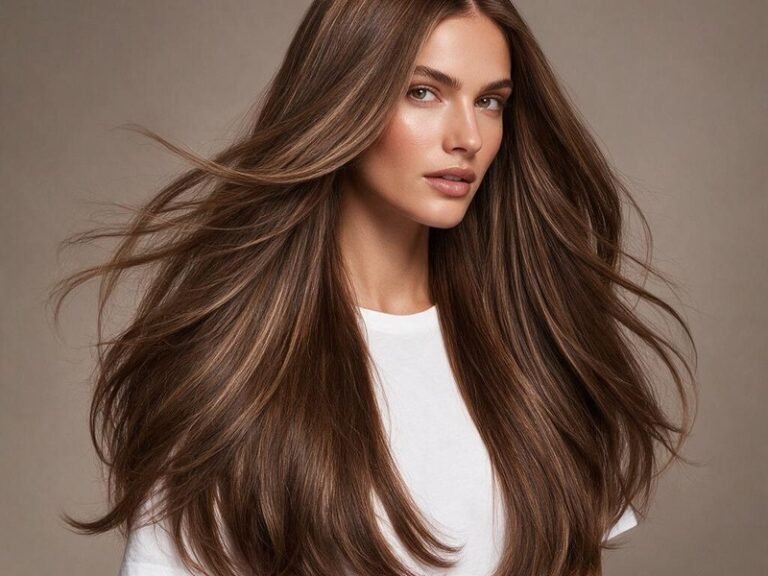
How to Choose K-Tip Hair Extensions for Fine Hair
We see this mistake every month in our warehouse: salon owners and braiders grabbing the same standard k-tip stock they use for thick, coarse hair, then panicking when their fine-haired clients report slippage, visible bonds, or worse, traction breakage a few weeks in. K-tip hair extensions for fine hair can be fantastic when picked correctly—they lay flatter than most other permanent options, don’t tug as much as poorly applied tape-ins, and last 3-4 months with proper care. But one wrong choice on weight, bond size, or texture, and you’ll be dealing with a redo and a frustrated client before the first month is up.
Skip the standard 1g bonds—they’re too heavy
Ninety percent of the stock k-tips you’ll see from random suppliers use 1g per bond, because that’s the default size built for medium, average-density hair. For fine hair, that bond is not just visible at the root if the client parts their hair even a little off from your sectioning, it puts concentrated tension on 20-30 fine strands at a time. We’ve had stylists send us photos of clients with tiny bald spots along their part lines from using 1g bonds on baby-fine hair, and it’s totally avoidable.
Stick to 0.5g bonds for every placement on fine hair, even the nape. If a client wants major volume (think 20+ inches of length with full, bouncy layers), you can place two 0.5g bonds ¼ inch apart on slightly larger sections, but never double up bonds directly on the same tiny strand cluster. A quick note: a lot of suppliers won’t list bond weight on their product pages, so don’t be afraid to ask before you order. If you’re sorting through k-tip hair for your salon, you can filter by bond weight right on our site, no guesswork needed.
Weight per pack matters more than total length
A lot of stylists reach for 22 or 24 inch lengths for clients and grab the standard 100g pack, assuming that’s enough for a full head. For fine hair, 100g of 22 inch hair is way too much weight across the whole scalp—you’re looking at 200 bonds if you’re using 0.5g tips, which is overkill for someone who only has 80,000 to 100,000 total strands on their whole head (the average for fine hair, vs 120,000+ for medium thickness).
For fine hair, 50-75g total is enough for 12-16 inch length to add natural fullness, 75-90g max for 18-22 inch length. Any more than that, and you’re putting unnecessary chronic tension on the roots, which leads to breakage that can take months to grow out. Also, skip the super silky, over-processed “double drawn” stock that’s stripped to feel like plastic—those strands are thicker and heavier per inch than unprocessed cuticle-intact hair, so even the same gram weight will pull more. If you’re used to ordering standard stock for thicker hair, our k-tip wholesale guide breaks down how to request custom pack weights for fine hair clients without hitting crazy MOQs—most custom orders only need a 2 pack minimum.
Match texture, don’t chase “perfectly straight”
Fine hair rarely has that glass-straight, ultra-slippery texture a lot of cheap k-tip stock comes with. Most fine Caucasian hair has a slight wave, a fuzzy cuticle layer near the root, or a tiny bit of frizz in humidity. If you bond pin-straight, coated extensions to that hair, two things happen: first, the bonds will slip faster because the silicone coating on the cheap hair doesn’t grip the natural cuticle, even with a proper keratin fuse. Second, the extension hair will hang separate from the natural hair, no matter how well you cut and blend it—clients will see that stringy, “obviously extensions” look every time they run their fingers through their hair.
Go for a light yaki or soft natural straight texture for clients with straight fine hair, instead of the silky straight option. For clients with fine wavy hair, match the natural wave pattern as close as you can, even if it means ordering a texture that’s a little less polished out of the bag.
To keep it simple when ordering, stick to these rules of thumb for fine hair:
- Pick cuticle-intact Remy hair, no silicone coating, to reduce slippage and blend better
- Choose bond color that matches the client’s root tone, not their midlengths, so bonds disappear even if their hair moves
- Avoid hair thicker than 0.08mm per strand—any thicker, and the extension will dwarf the client’s natural fine strands
Placement is half the battle (don’t skip the safety zone)
Even if you pick the perfect bond size and weight, bad placement will make k-tips a nightmare for fine hair. You already know you shouldn’t place bonds directly along the hairline or part line, but for fine hair, you need a wider safety zone—1 inch back from the hairline, ½ inch on either side of every natural part, and no bonds placed on the very fine, wispy hair at the nape of the neck that grows in thinner than the rest.
A lot of new stylists cram bonds too close together to get fullness fast, but for fine hair, you need at least 1 inch of space between each bond horizontally, so the hair can move freely and the roots don’t get pulled in different directions when the client brushes or styles their hair. Keep your fusion iron between 320 and 350 degrees for fine hair—any hotter, and you’ll not only melt the keratin too fast, you can damage the fine natural hair right at the root, leading to breakage right where the bond sits. Let the keratin cool for 3 full seconds before you roll it flat, so it adheres properly without pulling.
We get a ton of questions about bond spacing, safe section sizes, and fine hair aftercare, and we’ve compiled all of those answers on our FAQ so you don’t have to shoot us a 2am text before an early appointment.
When k-tips aren’t actually the right call
K-tips work for 80% of fine hair clients who want permanent, long-lasting wear, but they’re not for everyone. If your client has extremely fine, fragile hair (think post-partum shedding, androgenic alopecia, or hair that breaks easily when you pull even gently on a strand), k-tips might be too much tension long-term, even with 0.5g bonds. In those cases, tape in hair cut into tiny, ½ inch wide tabs is a better bet, because the weight is spread across a wider section of hair instead of concentrated on a tiny cluster.
Also, if a client only wants extensions for a one-time event (a wedding, a photoshoot) and doesn’t want to commit to 3 months of wear, k-tips are overkill—stick to clip-ins or temporary wefts for those short-term needs. Don’t talk a client into k-tips if their hair can’t handle it, even if it’s a higher ticket service. The short-term payout isn’t worth the bad review or the client’s hair damage.
Quick questions we get all the time
Will k-tip hair extensions cause breakage on fine hair?
If you pick the wrong bond size, overpack weight, or place bonds too close to the root or on too-tiny sections, yes. But applied correctly with the right specs, k-tips don’t cause more breakage than any other permanent extension method. We’ve seen stylists keep clients in k-tips for years with zero traction issues, as long as they adjust weight and bond size for their client’s exact hair density.
How many bonds do I need for a full head on fine hair?
For 0.5g bonds, 100-120 bonds (so 50-60g total) is perfect for length up to 18 inches. If you’re going 20+ inches, you can go up to 150 bonds (75g) max, placed evenly across the head with proper spacing. Any more than that, and you’re risking unnecessary tension.
Can I color k-tips to match a client’s fine highlighted hair?
As long as you’re using cuticle-intact Remy hair, yes, but stick to semi-permanent color or demi-permanent glosses, and avoid lifting the extension hair more than one shade—fine extension strands are more prone to dryness when over-processed, same as natural fine hair. If you regularly work with highlighted fine hair clients, extensions for blonde coloring guidance can help you avoid over-processing strands that end up feeling brittle and mismatched.
At the end of the day, picking k-tips for fine hair isn’t rocket science—it just means ditching the one-size-fits-all stock most suppliers push by default, and paying attention to the small details that make or break a client’s install. If you’re not sure what weight, bond size, or texture will work best for your regular fine hair clients, shoot our team a note with your go-to specs, and we’ll help you put together a stock order that cuts down on redos and keeps clients coming back. We can even send free sample swatches of different textures and bond sizes so you can test before you place a full order.
Send Us Your Hair Inquiry
Need bulk pricing, samples, or a private-label quote? Fill in the form and our team will get back to you within one business day.