Wholesale Clip-In Extension Buyer Guide for In-Salon Retail
For in-salon retail, buy wholesale clip-in extensions as a small tested program: 100% human hair, 120–180 gram sets for volume, 180–220 grams for fullness, and three to four shades first. This guide covers quality, grams, pricing, MOQs, and lead times. I’ll also share the ordering mistakes we see most.
What actually sells in a salon?
Clip-ins sell around weddings, photos, bad haircuts, and clients wanting length without a sew-in. In US salons, 18–22 inches sells best; 14–16 inches is easier for volume-only clients. Natural black, dark brown, and one balayage highlight are safer than pale blondes, which show dryness and sit. If you’re new to retail, this braider retail guide works for salons too: reorder what sells, don’t guess.
How many grams do clients need?
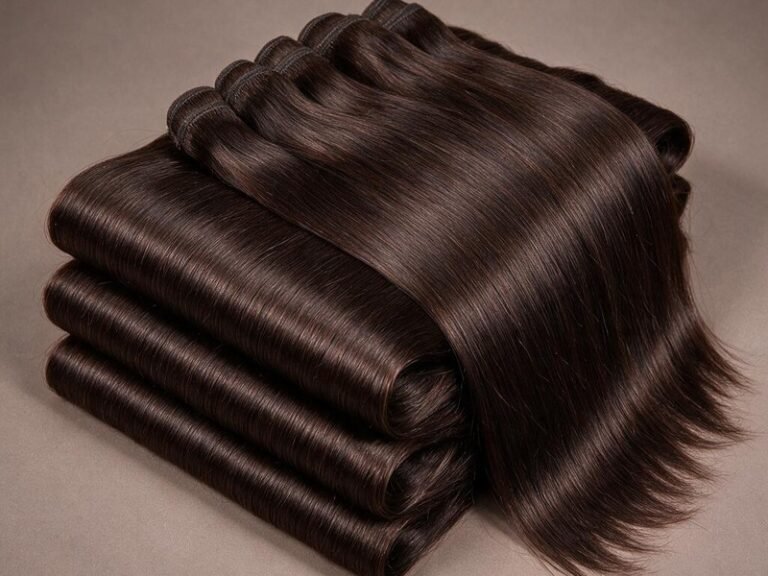
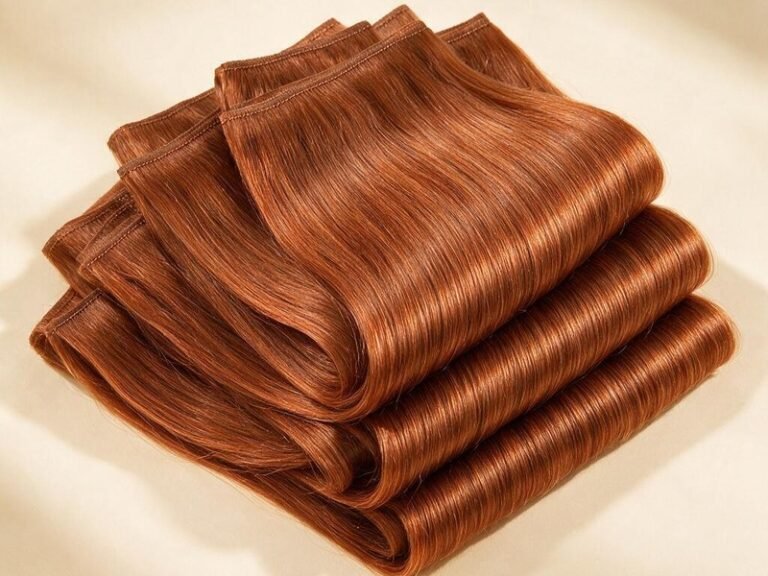
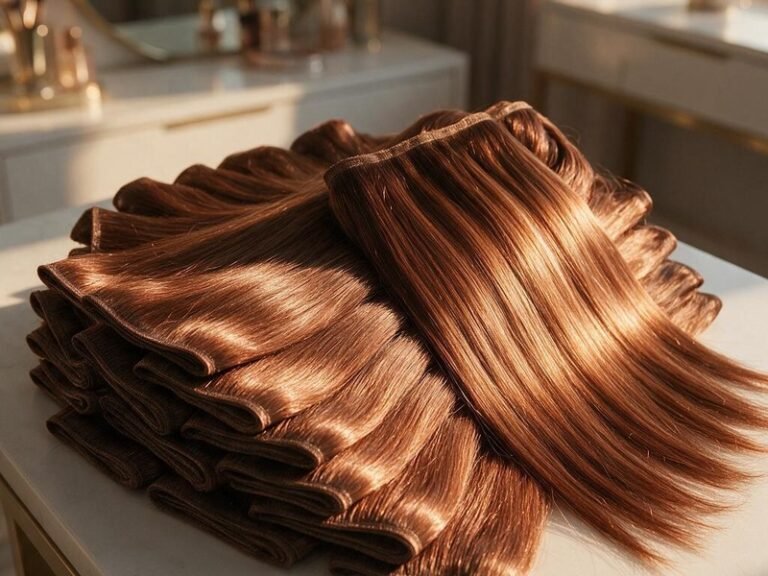
A standard set has seven to ten wefted pieces with pressure-sensitive clips; total grams matter most. Most use weft hair, meaning hair sewn into a track, so pieces lie flat and can be cut smaller. Fine hair usually needs 120–150 grams for everyday volume; thick hair or major length needs 180–220 grams. Density is how much hair is tied into each track per square inch; low-density sets look stringy even with ten pieces. Test one set on a model first, because opened packages rarely qualify for returns.
What do hair grade terms actually mean?
Remy means cuticles all face the same direction, which reduces tangling; it doesn’t guarantee unprocessed hair. Virgin hair has never been colored or permed, so true virgin blonde is rare and costly. Cuticle aligned means the same root-to-tip direction, but some suppliers use it as marketing, so request a sample. Non-Remy hair costs less, but tangles faster, sheds after washes, and creates complaints that cost you clients. A reliable mid-tier Remy set usually beats a cheap ‘virgin’ set for retail.
What should a wholesale clip-in extension order cost?
Decent Remy wholesale clip-in sets run $18–$35 each, depending on length, grams, and coloring. Virgin or raw hair can hit $45–$90, so wait until clients ask for that tier. MOQs, or minimum order quantities, are commonly 50–100 sets for custom packaging; stock colors may allow 10–20 sets. Start with 15–25 sets across two lengths, three shades, and one highlight, then reorder sellers every 2–4 weeks. You can compare shop all hair extensions, but don’t overbuy just because tiered pricing looks better.
How long do wholesale clip-in orders take?
US-stock clip-ins ship in 2–7 business days; factory-direct China orders take 7–15 days by air, longer near Chinese New Year. Custom colors or branded packaging can take 30–45 days, so order early for wedding and holiday seasons. Ask whether stock is really US-based, because offshore drop shipping can leave clients waiting weeks. Check the supplier’s FAQ page for sample policy, stock location, and defect claims before paying. If a supplier refuses samples, keeps changing grade names, or offers cheap ‘100% virgin blonde,’ walk away.
FAQ
How do I match clip-in shades in the salon?
Match the client’s mid-shaft and ends in natural window light, not just roots or a ring-lit station. If between shades, pick the lighter one and use a demi-permanent gloss; don’t aggressively lift extension hair.
Can clients wash and heat-style them?
Yes, with sulfate-free shampoo, lukewarm water, and heat protection around 350°F, but remove them before bed or swimming. Remy hair still dries out from bleach and high heat, so explain upfront. Brush from the ends up and store pieces clipped together to prevent matting.
Start with one sample, a tight first order, and a matching consultation so your team learns before holidays. Browse extension stock, then reach out with your target length, grams, and shades.
Send Us Your Hair Inquiry
Need bulk pricing, samples, or a private-label quote? Fill in the form and our team will get back to you within one business day.