What Is Virgin Human Hair Explained: A Practical Guide
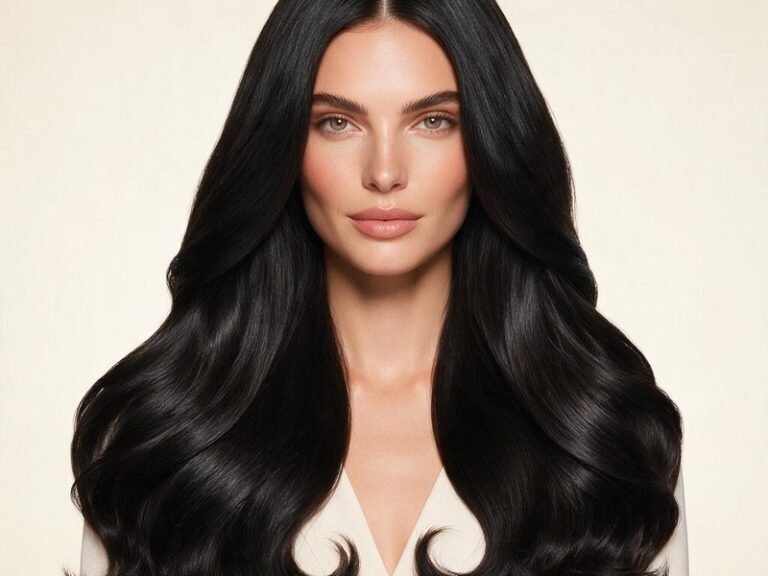
Virgin human hair is unprocessed, donor-collected hair that has not been permmed, dyed, bleached, relaxed, or coated to change its texture or color. For wholesale buyers, the key is not the word “virgin” on a package, but whether the hair actually has healthy cuticles, honest sourcing, and consistent processing from bundle to bundle.
This guide explains how virgin hair compares with raw hair, Remy hair, closures, frontals, and common extension types. I’ll also cover what to ask a China-based supplier before you place a B2B order, because sample approval and clear specs matter more than marketing slogans.
What exactly is virgin human hair?
Virgin human hair comes from real donors and is collected before chemical services. In practice, that usually means the hair has not been permanently colored, bleached, permed, relaxed, texturized, or exposed to harsh stripping treatments. It may still be washed, sanitized, sorted, brushed, sewn into a weft, or lightly steamed to help the pattern stay consistent.
A weft is the stitched or machine-made track that holds bulk hair together for sew-in installs. Bulk hair is loose hair without a weft, commonly used for braiding or knotting. When a supplier says “100% virgin hair,” ask whether they mean the entire bundle is single-donor virgin hair or whether shorter hairs and different donor hair are blended in.
True virgin hair usually has the cuticle layer present. The cuticle is the outside scale of the hair strand. Healthy cuticles help reduce tangling and give the hair movement, shine, and a more natural feel after washing. That said, cuticles alone do not prove virgin quality. Hair can still be poorly sorted, over-steamed, heavily treated with silicone, or placed in the wrong direction.
Virgin does not automatically mean untouched by manufacturing. Most wholesale extension hair receives some level of sanitation and finishing. The practical definition buyers should use is simple: real human hair, intact and properly aligned cuticles, no chemical color or texture change, and no temporary coating being used to hide damage.
Is virgin hair the same as raw hair or Remy hair?
No. These terms overlap, but they are not identical, and suppliers do not always use them the same way. Raw hair generally means hair collected with minimal processing, often with less steam shaping and fewer finishing steps. Some raw hair is virgin, but not every supplier uses “raw” consistently, so the word still needs verification.
Remy hair means the hair strands are kept with roots and ends pointing in the same direction. This is also called cuticle aligned hair, although “Remy” sometimes gets used loosely on product that has been stripped or coated. Virgin hair describes chemical history, while Remy describes strand direction and cuticle handling. You can have virgin Remy hair, non-virgin Remy hair, and products labeled Remy that are not truly cuticle aligned.
Raw hair can vary more because it receives less standardization. One batch may have a natural wave that dries slightly differently from another batch, especially if donor collection changes. Virgin hair may be lightly steamed into more repeatable body wave, straight, curly, or deep wave patterns. If your clients expect every shipment to match a texture board exactly, ask how the supplier controls pattern consistency.
For a salon or braiding brand, the best choice depends on your price position and client expectations. Raw hair often appeals to buyers looking for the least processed look, while well-made virgin hair can offer easier inventory consistency. Cheaper “Remy” hair may be acceptable for occasional wear, but it is not the same purchase as premium virgin bundles if cuticles have been removed and replaced with a slippery finish.
What forms of virgin human hair do B2B buyers order?
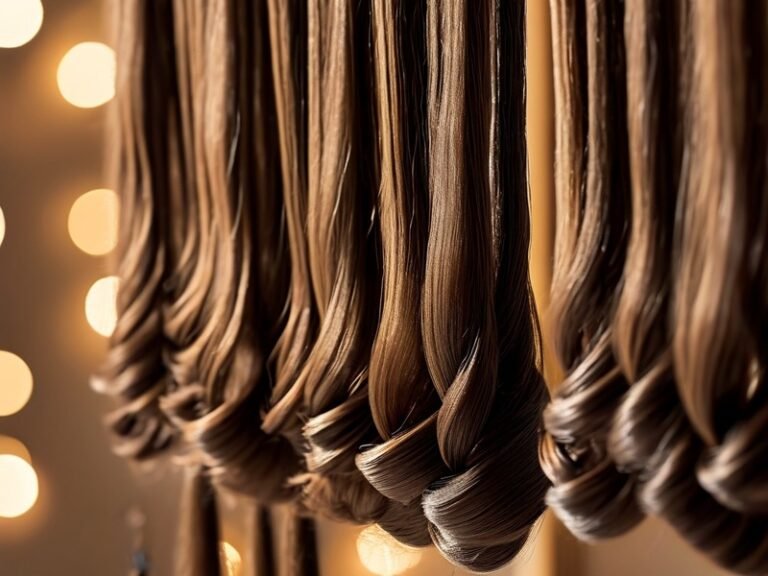
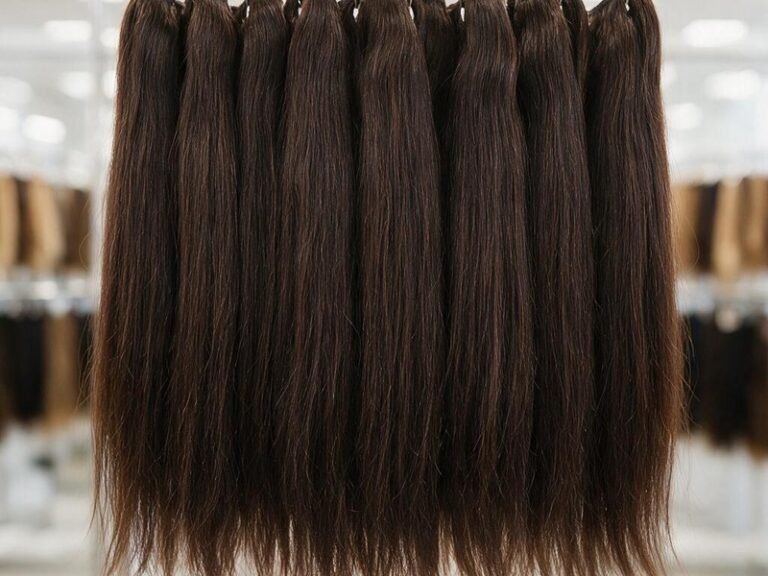
Virgin hair is sold in several construction types, and the same hair quality can perform differently depending on how it is installed and maintained. Bundles are machine-wefted or hand-tied wefts sold by length and weight. A common bundle weight is around 100 grams, though some markets use 3.5 ounces, 4 ounces, or custom weights.
A closure is a smaller hair piece, usually 4×4, 5×5, or 6×6 inches, used to close a sewn-in or wig without leaving natural hair out. A frontal is a wider piece, often 13×4 inches, that runs across the front hairline. Both can be made with lace or silk base materials. Density means how full the piece or wig looks; lower density looks thinner and more natural, while higher density looks fuller and uses more hair.
Tape-in extensions are sandwich-style adhesive tabs applied close to the root. K-tip extensions, also called keratin-tip or fusion extensions, have small keratin bonds that are heated or clamped into sectioned natural hair. An install is the professional application of extensions, whether sewn, taped, fused, clipped, or made into a wig.
- Bundles and wefts: good for sew-ins, quick weaves, wig making, and clients who want traditional volume.
- Bulk hair: used for boho braids, knotless braid accents, and custom strand work where a track is not wanted.
- Closures and frontals: useful for protective styles and finished wig units, but lace quality and knot work vary a lot.
- Tape-ins: faster to install and reusable with careful maintenance, but placement and adhesive quality affect wear time.
- K-tips: discreet and long-wearing when professionally applied, but removal must be gentle to avoid breakage.
- Wigs: convenient for retail, but cap size, lace type, density, stretch, and bleached-knot quality should be specified.
Do not assume all product types from one supplier use the same hair grade. A vendor might sell excellent bundles but average tape-ins, or strong frontals but thinner closures. Confirm the hair source, hair-to-knot ratio, return hair length, lace color, ventilation, and whether shedding falls within an acceptable range before scaling an order.
How can buyers verify real virgin hair quality?
Start with samples before committing to a large wholesale order. Order the lengths your clients actually buy, such as 16, 20, 24, and 28 inches, and test the same texture across multiple weeks. Run your fingers from root to tip and then tip to root. Cuticle-aligned hair should feel smoother from root to tip and may show slight resistance in the reverse direction without feeling rough or tangled.
Wash the sample more than once. Heavy silicone coatings can make poor hair feel soft at first, then become dry, matted, or stringy after shampooing. Use a gentle sulfate-free shampoo, conditioner from mid-strand to ends, and let the hair air dry. Record shedding, curl return, volume, drying time, and whether the pattern changes after conditioning or light heat styling.
Color testing matters if your salon or brand offers custom coloring. Virgin hair can generally be lifted and toned, but darker, thicker donor hair may need more processing than fine hair. Test one bundle first, especially if you regularly make blonde units. Even real virgin hair can be damaged by aggressive bleaching, so set realistic expectations for your stylists and customers.
Ask direct sourcing questions instead of relying on terms like 9A, 10A, or 12A. Those grade numbers are not universal industry standards. A better conversation covers donor region, whether the hair is single-donor or blended, cuticle direction, steam process, bundle weight, short-hair ratio, sterilization, length accuracy, and maximum allowed defects. Reputable suppliers should be able to explain these points and provide consistent sample and bulk-order comparisons.
What should a wholesale order spec include?
A clear spec protects both you and the factory. If you only order “20-inch body wave virgin hair,” you leave too much open to interpretation. Include hair type, texture, color, bundle weight, weft style, length measurement method, packaging, smell tolerance, moisture target, and whether the product can be colored. Natural color is not always one exact shade, so decide whether you accept natural dark brown to off-black variation.
MOQ, or minimum order quantity, varies by supplier and customization level. Stock bundles may have a low MOQ, while custom labels, custom tape tabs, special lengths, or branded wig boxes usually require more units. Lead times can range from a few days for stock products to several weeks for custom production, and peak seasons such as holidays, prom, and summer sales can add time.
Length is another common source of arguments. Straight hair is usually measured pulled straight, while wavy and curly hair should also be measured in the stretched state. A labeled 22-inch curly bundle will look shorter in its natural spring pattern. Weft length, hair length, and finished wig length are different measurements, so put the method in writing.
Plan your inventory around real demand rather than ordering every texture at once. Straight and body wave usually move consistently, while deep wave, curly, and kinky textures can have strong but more specific demand. Order samples, test install performance, collect client feedback, then reorder the lengths and textures with the lowest return risk. Keep quality control notes by batch so you can spot supplier drift early.
Common buying mistakes and honest trade-offs
The most common mistake is buying based only on price. Very low-priced “virgin” bundles can still be real human hair, but they may mix lengths, use weak wefts, include excessive short hair, or rely on coatings. If a client expects one year or longer of reusable wear, the cheapest wholesale option usually creates more complaints than margin.
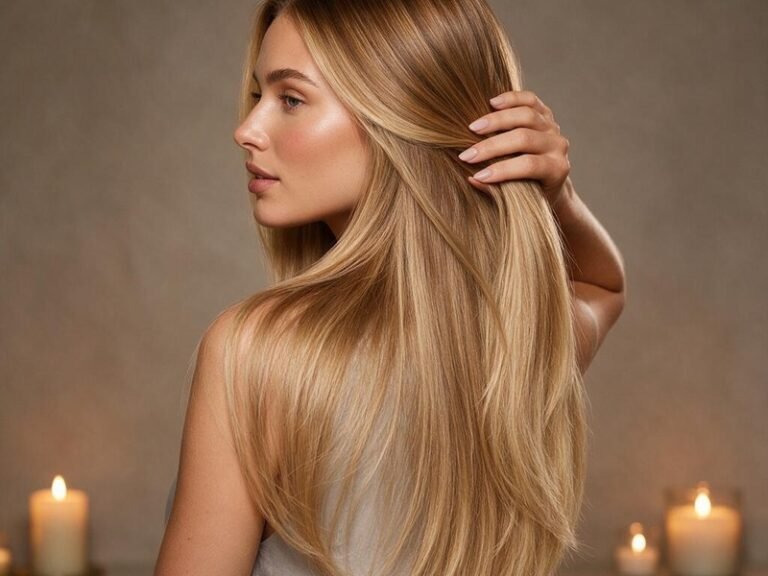
Another mistake is expecting every bundle to behave exactly like the model photo. Natural hair has variation in density, porosity, pattern, and color. Even within virgin lines, curly hair may need more moisture than straight hair, and longer lengths are more vulnerable to dry ends because the hair has had more exposure over time.
Premium virgin hair is not maintenance-free. Clients still need detangling before washing, sulfate-free products, moisturizing conditioners, gentle drying, and protective styling at night. Frontals and lace wigs need extra care because the hair is ventilated through delicate lace; excessive scratching, rough combing, or improper glue removal can cause shedding.
Your supplier should be willing to discuss downsides. For example, single-donor hair can offer consistency but may cost more and have limited supply. Blended virgin hair can improve stock availability and reduce cost, but texture matching is harder. Highly defined steam curls may look great new, but the pattern can loosen with repeated washing depending on steam quality and aftercare.
FAQ
How long does virgin human hair last?
With proper care, good virgin bundles can often last through multiple installs, sometimes a year or longer for well-made wefts. Frontals and tape-ins usually have a shorter practical life because lace, adhesive areas, and repeated removal create more wear. Actual longevity depends on construction, styling heat, coloring, nighttime protection, and how gently the client removes the install.
Can virgin human hair be colored or bleached?
Yes, quality virgin human hair can usually be colored, but results depend on donor hair, level of lift, and the stylist’s technique. Dark hair being lifted to blonde carries the most risk of dryness or breakage, so test a small section first and use bond-building or deep-conditioning treatments without promising identical results to natural hair.
If you are sourcing virgin human hair for your salon, braiding business, or resale brand, start with a paid sample batch and compare wash, color, install, and shedding performance before scaling. Send us your target texture, lengths, construction type, and order volume, and we can help you choose specs that fit both your quality standards and margin.
If you want the full background before you order, our guide on Raw Hair vs Virgin Hair Explained: A Practical Guide walks through it in plain terms.
Send Us Your Hair Inquiry
Need bulk pricing, samples, or a private-label quote? Fill in the form and our team will get back to you within one business day.