Raw Hair vs Virgin Hair Explained: A Practical Guide
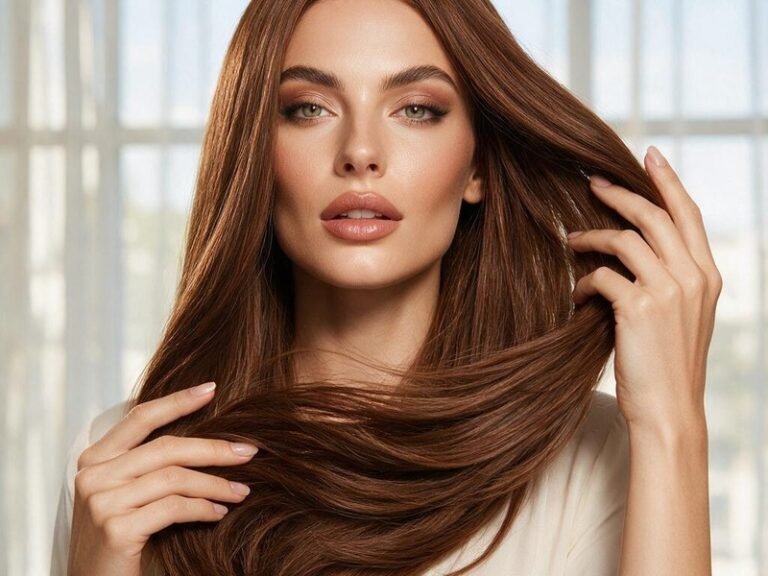
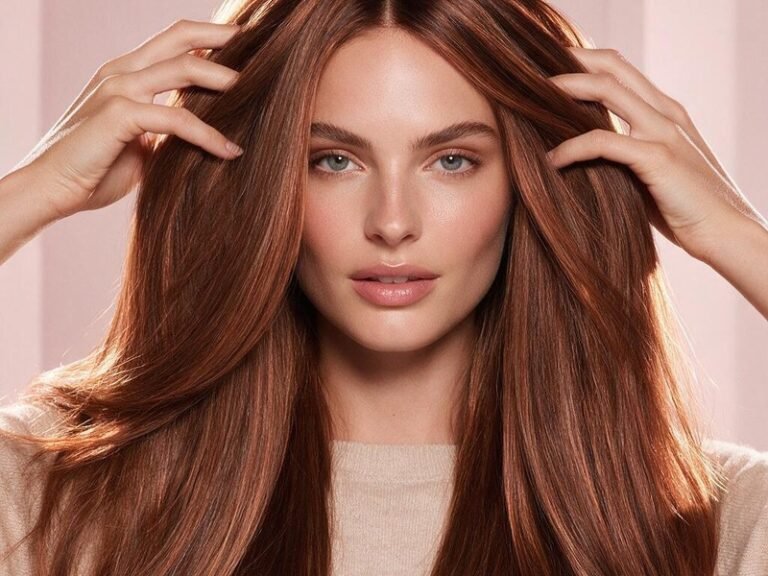
Raw hair is unprocessed donor hair kept in its natural state, while virgin hair is human hair that has not been chemically treated but may still go through gentle washing, sorting, steam texturing, or sterilization. The short version for B2B buyers: raw hair usually costs more and varies more naturally, while virgin hair is easier to merchandise and offers more consistency from bundle to bundle.
If you sell to salons, braiders, studio owners, or online hair brands, the difference matters because it changes price, inventory planning, customer expectations, and return risk. This guide explains the distinction in practical sourcing terms, not just marketing labels.
What is raw hair, and what are buyers actually paying for?
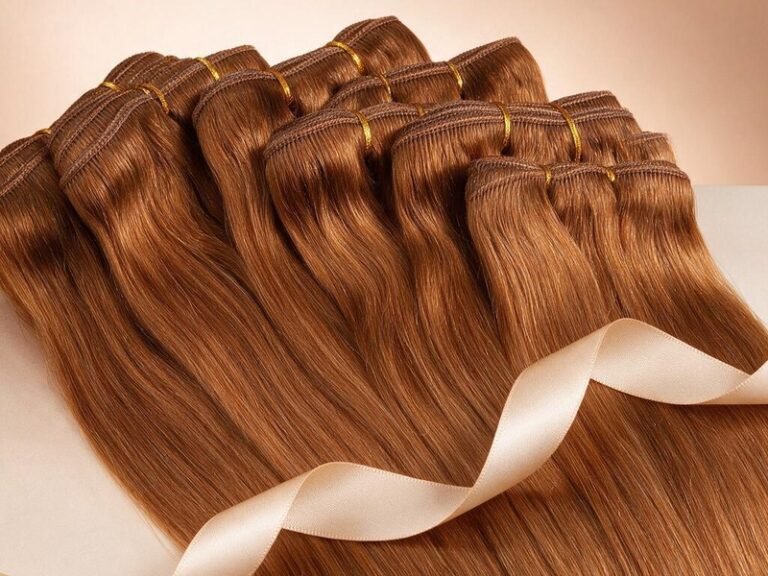
Raw hair is human hair collected from a single donor or small donor pool with minimal processing. It has not been permed, dyed, bleached, silicone-coated, or steam-set into a permanent texture. A factory typically washes, delouses when needed, sorts, dries, and sews it into a weft, which is the horizontal track used for sew-in bundles.
The main selling point is the natural cuticle. When the hair is cuticle aligned, the outer scales run in the same direction from root to tip, reducing tangling and matting. Raw hair can be straight, wavy, curly, or coily depending on the donor, and the texture often changes slightly after washing or air-drying.
That natural variation is both the benefit and the downside. One batch may have a looser wave pattern than the next, and color uptake can vary because donor porosity is not uniform. If your brand promises every 22-inch body wave bundle looks identical, raw hair can be harder to manage unless your supplier does tight donor matching and batch control.
Raw hair is usually sold in natural dark brown to off-black shades. Light colors are rare because reaching a blonde tone requires bleaching, which means the hair is no longer technically raw. Wholesale buyers should expect higher per-bundle costs, limited stock at times, and longer lead times for large, matched orders.
What is virgin hair, and how is it different from raw hair?
Virgin hair is human hair that has not been dyed, bleached, permed, or relaxed before being made into extensions. In many wholesale supply chains, it can still receive basic processing such as sanitizing, deep conditioning, sorting by weight, and steam texturing. Steam can set a wave or curl pattern without using harsh chemicals, but the finished texture is more controlled than naturally raw donor hair.
Some virgin hair is also Remy, a term that means the cuticles are kept or placed in the same direction. Remy is not automatically the same as virgin: Remy describes cuticle direction, while virgin describes chemical history. A supplier can sell Remy hair that has been colored, just as a supplier can claim virgin hair without proving reliable cuticle alignment.
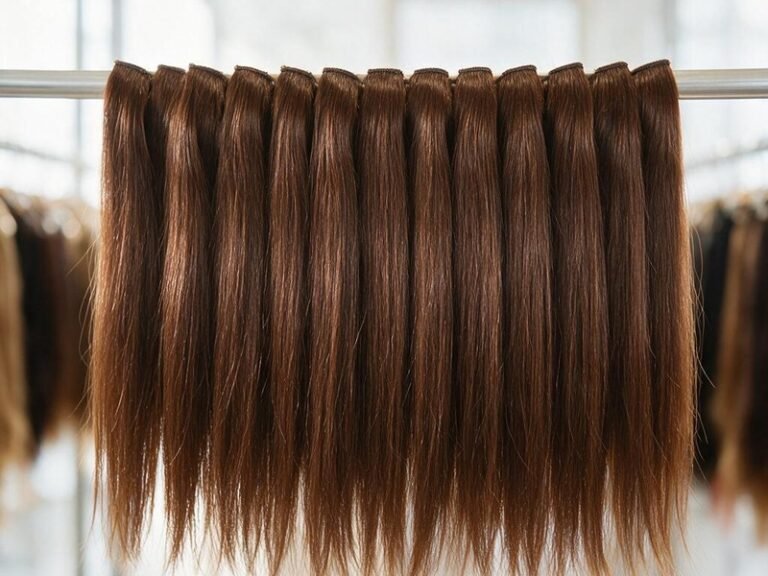
For B2B buyers, virgin hair often gives the best balance of quality and repeatability. It can be offered in consistent best-selling textures such as straight, body wave, deep wave, loose wave, and curly. A standard bundle is often around 95–105 grams, though some markets use 100-gram or 3.5-ounce bundle weights, so confirm grams rather than relying on terms like “thick” or “luxury.”
The honest downside is that “virgin” is one of the most overused labels in the extension industry. Low-grade hair may be washed with heavy silicone to feel soft at first, then become dry or tangled after a few washes. Ask how the hair is processed, whether cuticles are intact, how long the texture lasts after co-washing, and whether the supplier can show unboxing and wet-hair videos from the same batch.
Raw hair vs virgin hair: which quality should your business buy?
Choose raw hair if your customers want the most natural donor hair, are willing to pay for it, and understand that natural texture is not factory-uniform. It fits premium salons, editorial stylists, custom wig makers, and brands built around long-wearing, minimally processed hair. Raw hair can often last several years with proper care and a good install, though lifespan depends on daily handling, products, climate, and maintenance.
Choose virgin hair when you need reliable stock, predictable textures, cleaner wholesale pricing, and repeat orders in multiple lengths. It is usually the better fit for standard bundle lines, beginner wig makers, busy sew-in stylists, and businesses selling popular 10–30 inch ranges. It can still be high quality, especially when it is single-donor or carefully matched, cuticle aligned, and lightly processed.
- Budget: Raw hair generally has the higher wholesale cost; virgin hair offers more flexible price tiers.
- Consistency: Virgin hair is usually more uniform in curl pattern, luster, and bundle appearance.
- Natural behavior: Raw hair responds more like scalp hair and may air-dry differently depending on the donor.
- Availability: Virgin hair is easier to restock in common lengths and textures; rare raw textures can sell out.
- Coloring work: Both can be colored, but results vary, and raw hair needs strand tests because donor porosity differs.
- Brand positioning: Raw hair supports a premium story; virgin hair supports a broader, repeat-purchase catalog.
- Risk: Raw hair has more natural variation; low-end virgin hair has more risk of coating, mixing, or weak processing.
How do raw and virgin hair compare by texture, color, and processing?
Raw hair usually arrives in natural shades described as natural black, dark brown, or medium brown. You may see slight highlights, gray strands, or different tip colors because it has not been color-corrected. Curly and coily raw textures can be especially beautiful, but they require careful pattern matching if customers order multiple bundles for one head.
Virgin hair starts from the same natural color range but may be more standardized through sorting and steam setting. If a factory creates a body wave or deep curl using controlled heat and moisture, the result is more repeatable. Once the hair is bleached or dyed into blonde, burgundy, highlighted, or custom colors, it should be sold as colored human hair rather than virgin or raw hair.
Chemical processing is the clearest line. Perms, relaxers, harsh dye baths, and bleach change the internal structure of the hair. Steam, gentle washing, and sterilization are milder, but they are still processing choices. That is why some factories distinguish “raw hair” from “steam-processed virgin hair” even though both may start with untreated donor material.
Ask suppliers to define their own labels instead of accepting a spreadsheet term. Two vendors can both advertise “virgin body wave,” and one may mean lightly steamed cuticle-aligned hair while the other means mixed hair dipped in silicone to pass a finger test. Request sample lengths, wet tests, shedding counts after brushing, and photos after three to five washes.
What should B2B buyers ask a wholesale hair supplier?
Start by asking whether the hair is single donor, multiple donor, Remy, cuticle aligned, or non-Remy. Non-Remy means hairs may be gathered with roots and tips mixed in direction; factories often acid-bathe and coat this hair to make it feel soft, but tangling risk increases after washing. These details tell you more than a label alone.
Ask for exact bundle weight, length measurement method, grade language, moisture content, and shipment condition. Length should be measured when the hair is straight for wavy or curly textures, because curly hair pulls shorter. A 20-inch deep wave can look much shorter in its natural spring state, so your product page should explain that to reduce chargebacks.
For MOQs, many China-based suppliers accept sample orders of a few bundles, while custom labels, custom packaging, matched bulk orders, or special curly textures may require 50 pieces or more. Standard stock can ship in days, but matched production runs often take 1–4 weeks depending on quantity, texture, length, and festival schedules. Always confirm lead times before launching a pre-order.
You should also understand the product form. Bulk hair is loose hair without a weft, used for braiding or custom knotting. A closure is a small lace or silk piece, usually 4×4, 5×5, or 6×6, used to close a sewin. A frontal is a wider ear-to-ear piece. Tape-in extensions use adhesive tabs, while k-tip extensions use keratin bonds. An install is the professional application method, such as sewin, tape-in, fusion, glueless wig, or sew-down closure. Confirming the form matters because raw or virgin bundle quality does not guarantee the same quality in tape tabs, knots, or ventilated lace.
How can buyers test quality before placing a large order?
Never launch a new hair line from factory photos alone. Order samples in the exact length and texture you plan to sell, then test them the way your customer will. Wash one sample with sulfate-free shampoo, condition it, let it air-dry, and compare the pattern before and after. Brush it gently from tip to root while holding the weft, then record shedding and check whether the track looks secure.
Run a small color test on an inconspicuous section if your clients plan to bleach or custom-color. Human hair may smoke or swell differently depending on porosity, and raw donor hair will not always lift evenly. Keep notes on drying time, return to curl pattern, tangling after washing, and whether the hair feels coated when wet.
For wig and closure orders, inspect lace color, knot density, stretching, baby-hair work, and ventilation. Density refers to how full the wig cap is, often shown as 130%, 150%, 180%, or higher; percentage alone means little unless the cap size, hair length, and knotting pattern are consistent. Two 180% wigs can look very different if one uses shorter filler hair or uneven crown ventilation.
Be cautious with suppliers who refuse sample sales, only show studio lighting, or quote far below market rate for 28–30 inch raw curly hair. Long raw lengths and tight curl matching are scarce. If the price seems too low, ask whether the product is true raw hair, virgin hair, Remy processed hair, or a blended human hair line.
How should salons and resellers explain the difference to customers?
Keep the explanation simple: raw hair is the closest to untouched natural donor hair, while virgin hair is high-quality human hair with no chemical treatment before manufacturing, though it may be lightly steamed for texture. Customers do not need factory jargon, but they do need honest expectations about pattern variation, fullness, coloring, and care.
For raw hair, tell buyers that slight differences between bundles are normal and that multiple bundles for one install should be selected from the same batch when possible. For virgin hair, explain that steam-set waves may loosen gradually over time, especially with heavy oils, heat styling, or improper washing. Both types can last well, but neither is maintenance-free.
Recommend a practical care routine: detangle from ends upward, co-wash or use sulfate-free shampoo, condition without soaking the weft heavily, rinse thoroughly, and air-dry. Clients should avoid heavy styling grease, excessive heat, saltwater without protection, and sleeping on wet hair. For wigs, advise a satin scarf or bonnet and proper storage on a wig stand.
Clear product descriptions also reduce support issues. List origin description, hair type, texture, weight per bundle, length range, cap or weft details, color note, processing method, and whether photos show the same batch. If natural variation is expected, say so before purchase rather than handling it as a complaint later.
Frequently asked questions
Is raw hair always better than virgin hair?
No. Raw hair is less processed and often commands a premium, but it costs more, varies naturally, and can be harder to restock. Virgin hair can be the smarter wholesale choice when you need consistent textures, dependable inventory, and cleaner margins.
Can virgin hair be called raw if it is steamed?
Usually no, if steam is used to permanently change or set the texture. Raw hair should retain its natural donor pattern with only minimal washing and preparation, while steam-textured virgin hair is better described as lightly processed virgin hair.
How long do raw and virgin hair extensions last?
Well-maintained raw hair can often last multiple years, and good virgin hair may last one to several years depending on processing, installation, styling heat, coloring, and care. Those ranges are not guarantees; matted wefts, poor brushing habits, bleach work, and low-quality installation can shorten either hair type.
If you are planning a wholesale order, request matched samples in your target texture and length before committing inventory budget. Tell us your market, price range, preferred bundle weight, and monthly volume, and we can help you compare raw and virgin options without overbuying the wrong grade.
If you want the full background before you order, our guide on Private Label Hair Care Products Explained: A Practical Guide walks through it in plain terms.
Send Us Your Hair Inquiry
Need bulk pricing, samples, or a private-label quote? Fill in the form and our team will get back to you within one business day.