What Is Cuticle Aligned Hair and Why It Reduces Client Returns
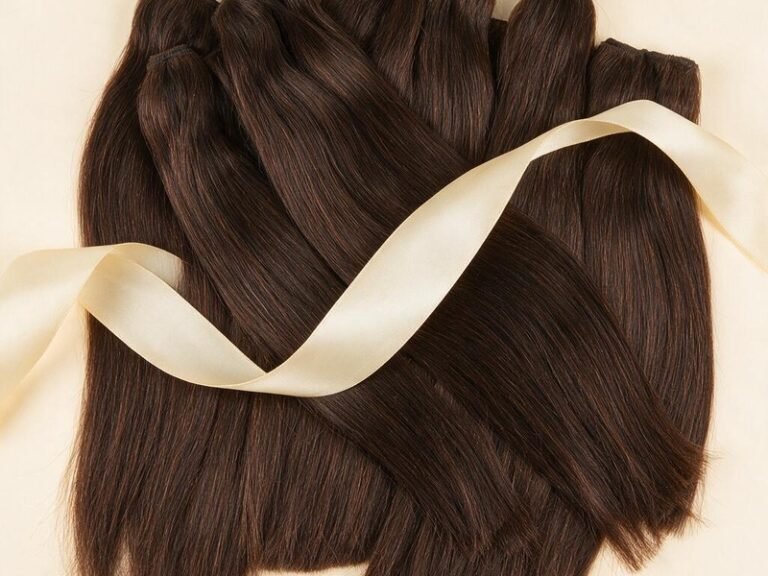
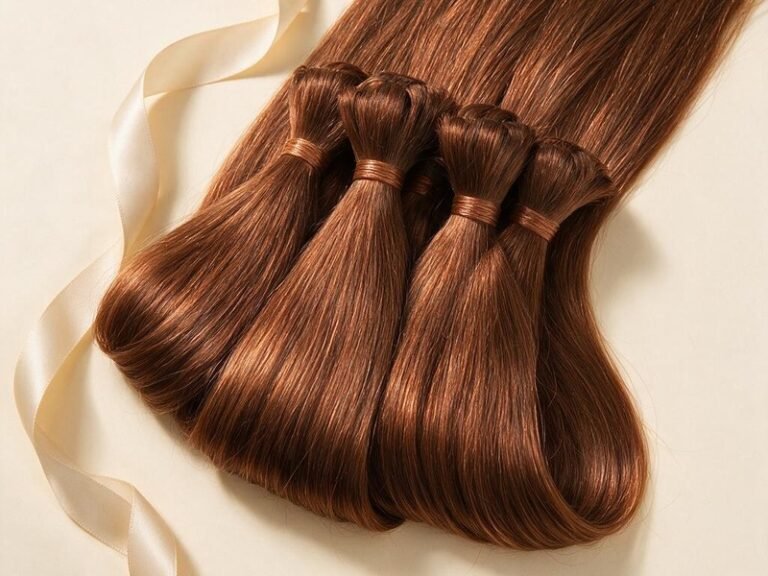
Cuticle aligned hair is human hair with every cuticle—the tiny scale on each strand—running the same way from root to tip. Those uniform cuticles catch less, so the hair tangles and sheds less after the weft, the stitched top track of a bundle, is sealed. In our warehouse, that’s often the difference between a year of wear and a return after two weeks.
What actually causes hair extensions to tangle and get returned?
Most returns don’t start with the hair itself; they start with friction, not the install. If strands are sewn with roots and tips mixed, cuticles catch like Velcro, especially after shampooing or sleeping on damp hair. Remy hair is often sold as hair with cuticles facing one way, but the label is loosely used and silicone can hide the problem until wash day. Then hair mats at the nape and sheds in clumps. That’s the complaint stream alignment prevents.
How do factories actually align the cuticles?
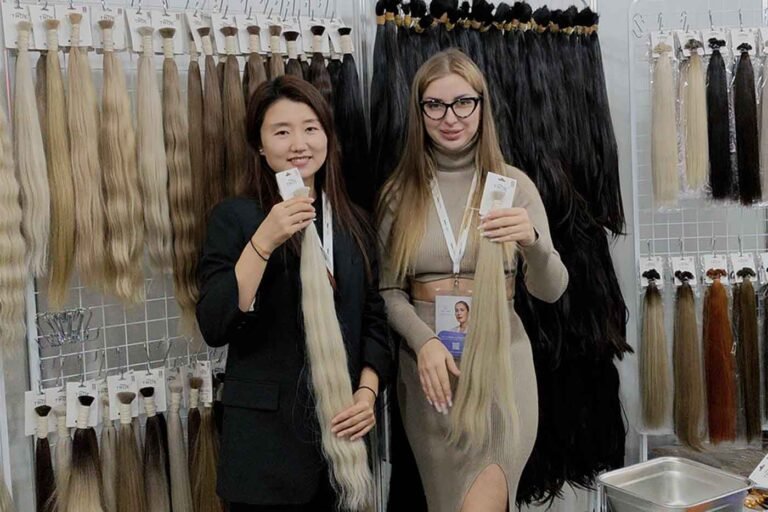
Factories don’t magically flip strands; they sort before processing. They keep root ends identified, comb and wash in one direction, then sew the weft so roots and tips never swap. For bulk hair for braiding, alignment matters more because there’s no weft holding the strands. Cheap hair is often gathered in mixed piles and dipped in silicone to make scales lie flat. Once that washes out, the grabbing starts.
Is cuticle aligned hair the same as virgin or Remy hair?
No, and the labels confuse new buyers. Virgin hair is unprocessed human hair, but being virgin doesn’t guarantee every strand runs root to tip. Remy usually means intact cuticles facing one way, while cuticle aligned describes the actual strand direction. Our cuticle aligned wholesale guide explains where listings blur that line. You can even buy colored, processed hair that’s still aligned for highlighted clients.
What should you inspect before accepting a shipment?
Run fingers from tip to root; aligned hair resists slightly, then smooths back root to tip. Shampoo a sample without conditioner; cloudy water or a squeaky coating usually signals silicone. Check the weft for short return hairs, uneven stitching, and strands flipping at the edge. A harsh chemical smell means aggressive processing. Store stock loosely folded, not jammed in bags; our weft storage guide shows the method.
Why cuticle aligned hair lowers returns even if it costs more upfront
Expect to pay 20% to 40% more per bundle because hand-sorting creates waste. A 100g, 20-inch weft hair bundle might run $45 to $75, versus $28 to $45 for silicone-heavy stock. You get fewer 2 a.m. matting messages and fewer free reinstalls. It isn’t damage-proof: chlorine, rough brushing, and a weak braid foundation still cause tangling. For regular wash-and-wear clients, though, it protects margins better than the cheapest rack hair.
Quick buyer FAQ
How can I verify cuticle aligned hair after delivery?
Run the wet wash and directional feel tests instead of trusting the tag. If it stays smooth after shampooing, it’s likely aligned; if it suddenly locks up, the silicone probably rinsed out. Hold it to light and check for evenly reflecting cuticles, too.
Will cuticle aligned hair completely eliminate returns?
It won’t eliminate every return because installs, maintenance, and client expectations still matter. It removes the biggest avoidable cause: random cuticles that create chronic matting. Give clear wash and bedtime rules, and returns should drop.
If you’re restocking, browse all hair extensions and order one sample in your best-selling texture first. That test is the quickest way to see fewer tangling complaints turn into repeat orders.
Send Us Your Hair Inquiry
Need bulk pricing, samples, or a private-label quote? Fill in the form and our team will get back to you within one business day.