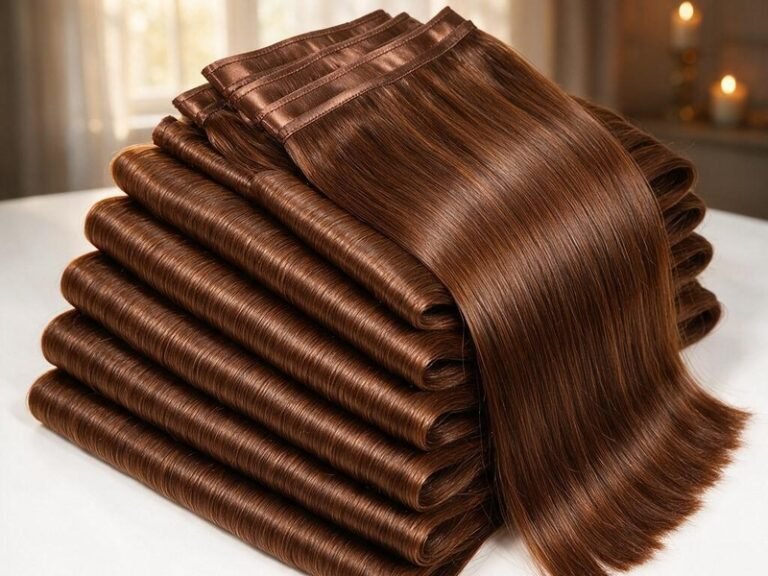
Trademark Registration Steps for Private Label Hair Brands
We’ve watched too many new private label hair brand owners sink $3k-$5k into custom tags, branded social content, and initial inventory, only to get a cease-and-desist letter 6 months in because they skipped the trademark work upfront. Trademark registration steps for private label hair brands aren’t some fancy corporate hoop reserved for big beauty conglomerates—it’s the cheapest insurance you can buy for the brand you’re building from scratch. This isn’t a stuffy legal textbook breakdown; it’s the real, no-fluff process we walk our own wholesale clients through before they place their first custom label order, no jargon attached.
First, stop picking a name out of thin air
Most new brand owners brainstorm names based on what sounds catchy, what matches their personal aesthetic, or what gets a good reaction from their friend group. That’s a fine starting point, but it’s not enough to lock it in. We covered the biggest pre-search mistakes in our earlier post on trademark prep before private label launch, but the short version is: you’re not just checking if someone has the exact name selling bundles on Instagram. You’re checking for names that sound identical, use the same unique root word, or are registered under International Class 026, which covers hair extensions, hair pieces, and wigs.
Last year, a client of ours rebranded twice because they picked a name that was already registered by a small braider in Texas who sold clip-ins on Etsy. They assumed because the other seller didn’t have a 100k follower count, the trademark didn’t count. It did. The whole mess cost them $1,200 in reprinted satin dust bags and hang tags, plus 3 months of lost momentum while they rebuilt their social presence under a new name.
Skip the generic terms, too. You can’t trademark a phrase like “Luxury Virgin Hair” because it just describes your product, not the specific source of that product. Pick something distinct, with at least one unique word or phrase that buyers will associate only with your brand.
What you actually need before you file the application
You don’t need a fully built website, a 50-SKU product line, or a six-figure marketing budget to file for a trademark. You do need a few key items ready to go, to avoid getting an automatic rejection from the USPTO.
- A clear “specimen” showing how you’ll use the mark on your actual products. That means a mockup of your branded bundle wrap, hang tag, or product label — not just a logo on a t-shirt, business card, or social media profile graphic.
- Confirmation of which class(es) you’re filing under. Most hair brands start with Class 026 for extensions, but if you plan to sell your own edge control, shampoo, or styling products down the line, you’ll need to add Class 003 for hair care, which costs extra per class.
- A consistent, final version of your mark. If you’re still tweaking your logo font, swapping taglines every two weeks, or going back and forth on spelling (think “Bundlz” vs “Bundles”), wait to file. Pick the exact word mark, logo, or combination you plan to stick with for your first 2-3 years in business.
As of 2024, the base TEAS Plus application fee is $250 per class. You can hire a trademark attorney for $800-$1,500 to run a full conflict search and file on your behalf, or you can file DIY for just the government fee if you’re comfortable digging through USPTO records. The tradeoff? Roughly 30% of self-filed applications get rejected on the first pass for simple errors — wrong class, insufficient specimen, missed conflict — which adds 3-6 months to your timeline and sometimes extra response fees.
If you’re still weighing whether to go all-in on custom packaging or start with unbranded stock first, our breakdown of private label vs white label costs will help you map out your first year budget without overspending. Once you’ve got your core mark locked in, you can grab sample bulk hair for braiding and wefts to test your label sizing before you print hundreds of tags, so you don’t waste money on wraps that slide off or don’t fit tight around the bundle.
The waiting period is not for sitting idle
After you hit submit on your application, the USPTO doesn’t send you an approval email the next day. Most applicants wait 3-4 months before hearing anything at all from an assigned examining attorney. A lot of new brands use that window to drop $10k on fully branded packaging, book 6 months of pop-up events, and run pre-orders for hundreds of units. Don’t do that. You can absolutely start building hype, posting behind-the-scenes content, and locking in your manufacturer, but hold off on ordering massive quantities of printed packaging until you get past the first review stage.
When the examining attorney gets to your file, they’ll run their own full conflict search and check that your application meets all the technical requirements. If they find an issue, they’ll send an office action, which gives you 6 months to respond, fix the problem, or appeal the decision. This is the stage where most self-filers get tripped up, because they don’t know how to respond to a likelihood of confusion rejection.
If your application passes the attorney review, your mark gets published in the USPTO’s Official Gazette for a 30-day public comment period. During that window, any other brand that believes your mark infringes on theirs can file a formal opposition. Most of the time, no one does. If no opposition is filed, you’ll get your official registration certificate about 2-3 months after the publication window closes. All in, you’re looking at an 8-12 month total timeline if there are no roadblocks.
You can only use the ® symbol next to your brand name once you have that official certificate in hand. Until then, use the ™ symbol to signal you’re claiming the mark as your own. Slapping the ® on too early can get you hit with fines, and it will weaken your application if the examining attorney notices.
The mistakes we see over and over (and how to skip them)
After 10 years working with new hair brands, we’ve got a running list of totally avoidable trademark mistakes that cost people time and money. The top one? Filing for the wrong class. We had a client a few years back who filed under Class 044, which covers salon services, instead of Class 026 for the actual hair extensions they sold online. When a competitor started selling low-quality bundles under almost the exact same name, they had zero trademark protection for their products — only for their in-salon braiding services. It took them almost a full year of refiling and extra fees to fix it.
Another common misstep? Letting other sellers use your mark without pushing back. Trademarks aren’t a set-it-and-forget-it asset. If you see a random seller on TikTok, Amazon, or Facebook Marketplace using your brand name to sell cheap, mislabeled hair, you need to send a formal cease-and-desist. If you don’t, you can lose your trademark rights down the line because you failed to enforce your ownership.
We also see a lot of new owners assume their state LLC registration counts as a trademark. It doesn’t. Registering your business name with your secretary of state just means no one else in your state can register an LLC with that exact same name. It doesn’t stop someone in another state from selling hair under that name online, and it won’t hold up if you ever need to file an infringement claim. Once your mark is fully registered, you can work with your supplier to print your logo on everything from weft hair wraps to custom insertion tools for your install clients, without worrying you’ll have to scrap it all because of a name dispute.
We get the same handful of questions from every new brand going through this process, so let’s cut to the chase:
Do I really need a trademark if I only sell to local clients?
Short answer? If you ever plan to grow past taking cash from friends and regular salon clients, yes. Even if you only sell locally right now, if your Instagram is public (which it should be, to grow), you’re selling across state lines the second someone from a neighboring state DMs you to order a bundle. The $250 filing fee is way cheaper than rebranding after you’ve built up a loyal local following and people know your name.
Can I file a trademark if I haven’t sold any hair yet?
Yep. The USPTO has an intent-to-use filing option that lets you reserve the mark before you launch, as long as you have a real, documented plan to sell products under that name. It adds roughly $100 in extra fees and a couple extra forms down the line when you’re ready to launch, but it’s perfect if you’re still building out your product line and don’t want someone to swipe the name you’ve spent months brainstorming.
What happens if someone opposes my application?
It doesn’t mean you automatically lose the mark. Most oppositions get settled out of court — sometimes it’s as simple as adjusting your logo tagline, or agreeing to only sell specific products under the name so you don’t compete directly with the opposing brand. If you used an attorney to file, they’ll walk you through that process; if you filed DIY, you can hire an attorney just for the opposition response if it comes up, instead of paying for full-service representation from day one.
We’ve seen brands build six-figure revenue in 18 months because they locked in their name early and didn’t have to hit pause on growth to fix trademark issues. We’ve also seen brands lose every bit of that momentum because they skipped the 3 hours of work it takes to run a proper name search and file the initial application. You don’t need a huge corporate budget to get this right — you just need to slow down, do the checks, and not put the cart (1,000 custom branded bundles) before the horse (a registered mark you actually own). If you’re ready to start testing products for your line once your application is filed, you can browse our full selection of extension styles, and check our FAQ page for lead times and private label minimums before you reach out to our team.
Send Us Your Hair Inquiry
Need bulk pricing, samples, or a private-label quote? Fill in the form and our team will get back to you within one business day.