Sourcing Flat Tip Hair Extensions: A Practical Guide for Hair Businesses
Flat tip hair extensions can be a strong salon and reseller product when you source the right hair, bond size, and weight mix. The short version: treat them like a professional k-tip category, not a cheap add-on, because install results and return purchases depend mostly on hair quality and consistent tip manufacturing.
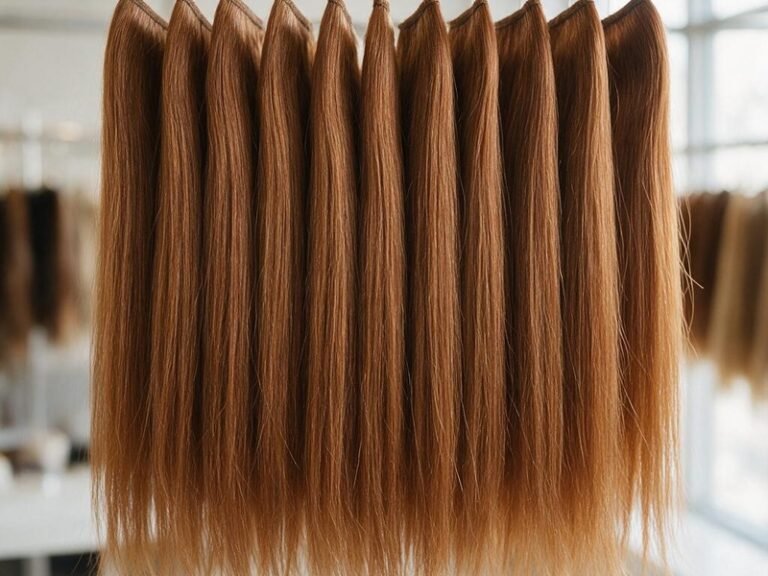
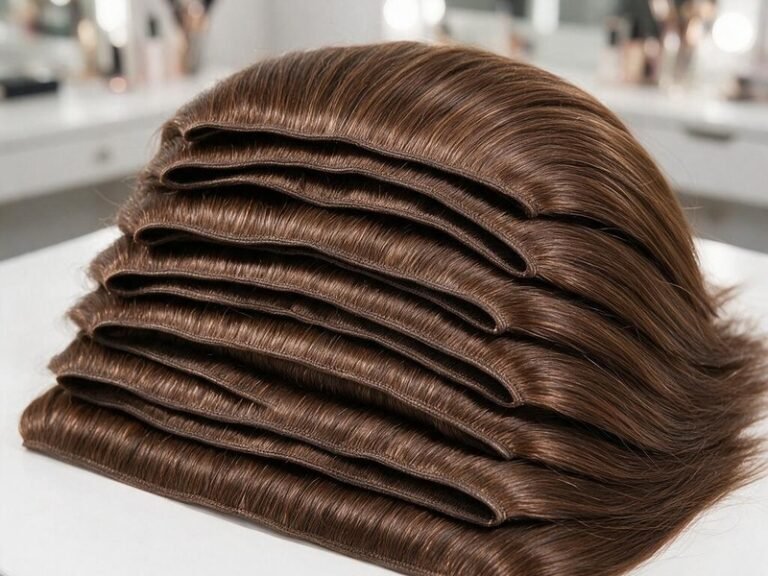
In this guide, flat tip hair extensions mean individual pre-bonded strands with a flattened keratin or polymer tip. A stylist attaches them with a fusion tool, usually by clamping or melting the tip around a small section of the client’s natural hair.
What Are Flat Tip Hair Extensions and How Do They Differ From K-Tips?
Flat tips and k-tips are both individual pre-bonded extension methods, and many suppliers use the terms loosely. A k-tip usually has a shaped, keratin-style bond that resembles a narrow “K” or small cylinder. A flat tip is pressed wider and flatter, which some stylists prefer because it can sit less bulky near the root.
For buyers, the key is not the name on the bag. Ask for exact tip width, length, weight per strand, grams per pack, and bond material. Two factories can both call the product “flat tip” while selling completely different tip sizes, hair grades, and strand counts.
These extensions are installed strand by strand. An install is the professional application process, and most clients should have them applied by a licensed stylist. Flat tips usually stay in for 6 to 10 weeks, depending to hair texture, scalp condition, home care, and how aggressively the bonds were applied.
The main trade-off is durability versus labor. Flat tips give flexible movement and can be worn in high ponytails better than some row methods, but they take longer to install than tape-ins or wefts. They also require careful removal with the correct solution so natural hair is not damaged.
Which Hair Quality Should Your Business Stock?
Start with hair quality before texture, packaging, or price. Virgin hair is hair that has not been chemically processed, while raw hair usually means minimally processed donor hair with no steam texturing, coloring, or silicone-heavy finishing. Remy means the cuticles generally face the same direction, and cuticle aligned means the hair is prepared to reduce tangling by keeping those outer layers oriented properly.
For professional flat tip hair extensions, cuticle alignment matters more than a fancy grade label. Poorly aligned hair can matte after washing, especially near the nape where friction is high. Silicone can make low-quality hair feel smooth at first, but that coating washes away and the hair may become dry or tangled.
Most salons and vendors should source Remy cuticle-aligned human hair as their baseline. Raw hair can sell well in premium markets, but it is harder to keep consistent in color, texture, and supply. Virgin hair can be excellent, yet true unprocessed inventory in a full color range may be limited.
Order samples before committing to a full wholesale run. Test wash them, run your fingers from root to end, comb them wet, and inspect shedding around the bond. If the sample is unusually shiny, slippery, or coated, ask whether the hair has been treated with heavy silicone.
What Specs Matter Most When Ordering Flat Tip Extensions?
Specs protect your margin and prevent stylist complaints. A pack that looks similar online can vary by strand weight, bond shape, hair length, and usable grams. Ask the supplier to confirm every specification in writing before production.
- Length: Common lengths run 14 to 24 inches, with longer hair costing more because of donor-hair limits.
- Weight: Packs often range from 25 to 50 grams; full installs commonly need 100 to 150 grams, sometimes more for density or length.
- Strand count: Do not buy by strand count alone. A 100-strand pack can be light if each strand is thin.
- Tip material: Ask whether the bond is Italian keratin, standard keratin, or another polymer; request heat temperature details.
- Tip dimensions: Width, thickness, and bond length affect comfort, concealment, and install speed.
- Color range: Confirm solid, balayage, piano, highlight, rooted, and dark shades separately; color matching drives repeat orders.
- Texture: Straight, body wave, natural wave, curly, and kinky curly may have different availability and steam-processing methods.
Density in extensions usually refers to how full the finished style looks, not just hair length. A client adding thickness may need fewer inches but more grams, while a client wanting length may need enough pieces around the sides and back to avoid stringy ends.
Keep your launch simple. A new hair business usually does better with one reliable straight or body-wave line, four to six core colors, and 18 to 22 inch lengths than with a massive catalog that creates slow-moving inventory.
How Do You Evaluate a Wholesale Human Hair Extensions Supplier?
A good supplier should answer production questions without pushing you toward the cheapest grade. Ask where the hair is collected, where the tips are formed, whether colors are stock or custom, and whether the same factory controls tip bonding. Flat tips that are made in a separate workshop can have more inconsistency.
Check the bond by bending it. It should feel firm but not brittle, with no crumbing, sharp edges, or loose hairs at the junction. Run a sample through heat application and removal with your stylist team. If the tip smears, bubbles, will not clamp cleanly, or leaves excessive residue, that is a serious warning sign.
Compare MOQs carefully. MOQ means minimum order quantity, and suppliers may set it by pack, color, length, texture, or custom label. A supplier might advertise a low MOQ overall but require 50 packs per color or private-label packaging, which changes your cash flow.
Ask about lead times before ordering. Stock flat tip colors may ship within days, while custom colors, branded packaging, or special textures can take 2 to 6 weeks depending on factory load. Rush orders around prom, wedding season, and the end of the year are where weak vendors expose themselves.
Request photos and videos from the actual batch, not only studio catalog images. You want to see gram weight, strand thickness, bond shape, color under natural light, and packaging labels. Consistent communication in writing matters because color and texture disputes are hard to resolve after the goods ship.
What Pricing Realities Should Hair Businesses Expect?
Flat tip extensions usually cost more per application than clip-ins or basic synthetic pieces because they use human hair, individual bonds, and skilled installation. If a wholesale quote seems far below market pricing, check whether the pack is lighter, the strands are thinner, the hair is non-Remy, or the tips are made with a low-grade polymer.
Price by usable gram and expected wear time, not only by pack. A 25-gram pack at a low price may be no bargain if a stylist needs twice as many packs. Your salon or retail pricing should also account for installation labor, consultation time, removal, replacement hair, and inventory carrying cost.
Expect better pricing at higher volumes, but do not overbuy length or fashion colors at the start. Natural blacks, browns, highlighted blondes, and rooted shades usually move more reliably. Very light platinum shades can cost more and may be more fragile because processing the hair takes additional work.
Ask suppliers whether sample fees can be deducted from a bulk order, but do not choose a vendor solely for that perk. Your real goal is finding a repeatable product: the same curl pattern, color, gram weight, bond size, and hair feel in order three as in order one.
Also budget for quality control. Weigh random packs, count a few bundles, compare colors to a shade chart, and inspect tips before installations. A ten-minute check when inventory arrives can prevent a salon chair crisis later.
Are Flat Tips Better Than Tape-Ins, Wefts, or Bulk Hair?
There is no single best method. Tape-in extensions use wide adhesive wefts applied close to the root and are usually faster to install, but they can be harder to wear if the client frequently uses oils near the scalp. Flat tips give more individual movement and more flexible placement, but the appointment takes longer.
A weft is a sewn or machine-tied track of hair, often used for sew-ins, beaded rows, or quick weaves. Wefts can be excellent for volume and may use fewer attachment points, but they do not offer the same strand-by-strand placement around hairlines or irregular partings.
Bulk hair is loose hair without a weft, used for braiding or sometimes for custom bonds. Buying bulk and making your own flat tips rarely makes sense for most small businesses unless you have skilled labor and consistent adhesive supplies. Factory-formed tips are usually more uniform and easier to scale.
Flat tips work especially well for clients wanting length without rows, clients with fine or medium hair who need careful placement, and salons already trained in fusion methods. They are less ideal for clients who will not maintain them, clients with scalp issues, or clients looking for the lowest possible service price.
What Aftercare and Return Policies Protect Your Brand?
Every flat tip sale should include clear care instructions. Clients should brush gently several times a day, hold the roots while brushing, sleep in a loose braid or satin covering, and avoid applying conditioner, oils, masks, or heavy styling products directly on the bonds.
Washing less aggressively helps, but clients still need clean scalps. Recommend sulfate-free shampoo, lukewarm water, and thorough drying after washing. Bonds that stay wet for long periods can collect lint or become uncomfortable, and wet sleeping can increase tangling.
Swimming is possible but should not be rough on the extensions. Clients should wet and lightly condition the ends before swimming if their stylist recommends it, avoid submerging bonds for long periods, and rinse and dry afterward. Salt water and chlorine can both dry human hair if left in.
Your supplier policy should cover defective bonds, mismatched colors, incorrect lengths, missing weight, and major shedding caused by manufacturing. It usually should not cover hair that has been colored, cut, installed, washed with harsh products, or damaged by improper heat application. Be fair, but document expectations before purchase.
For private label, test packaging too. Flat tips should stay organized and protected from dust and bending. Resealable bags or trays can reduce damaged bonds, and clear labeling on length, color, texture, grams, and lot number makes reorders much easier.
Common Sourcing Mistakes That Hurt Repeat Sales
The biggest mistake is buying from a price list without sampling. Hair extension photos are easy to reuse, and terms like 12A, premium, luxury, or virgin can mean different things to different vendors. Base your buying decision on tested hair, bond performance, weight accuracy, and supplier consistency.
Another mistake is ignoring the stylist who installs the hair. If your customers are braiders, salon owners, or independent beauty professionals, their feedback matters more than attractive packaging. Ask them about bond comfort, melting behavior, color blending, shedding after washing, and how easily the extensions remove.
Do not confuse short-term softness with quality. A heavy silicone finish can make even weak hair feel excellent for the first week. Better signs are aligned cuticles, minimal tangling after washing, natural ends, realistic movement, and bonds that do not shed hair at the attachment point.
Finally, avoid building a brand around one shipment. Place a modest initial order, test it with trusted stylists, collect feedback, and then repeat the same specifications. Once the product proves itself, you can negotiate better pricing, add custom labels, and expand colors with more confidence.
Frequently Asked Questions
How many grams of flat tip hair extensions do clients need?
Many clients need 100 to 150 grams for a standard length-and-volume install, while clients with thicker natural hair or a dramatic length goal may need 150 to 200 grams. Always calculate by grams, desired fullness, and natural hair density rather than relying only on strand count.
Can flat tip hair extensions be reused?
Some high-quality hair can be reused after removal if the ends are still healthy, but the original bonds usually need re-tipping with fresh keratin or replacement tips. Do not promise reuse until your stylist team has tested removal and reapplication with your supplier’s specific bond.
What MOQ should a new hair business expect?
MOQs vary widely: some suppliers accept sample or starter orders of a few packs per item, while custom colors or private-label runs may require 50 or more pieces per specification. Start with stock colors and standard lengths, then scale once you know what your stylists actually reorder.
If you are building a professional line, send us your target length, texture, color range, pack weight, and order volume. We can help you compare realistic flat tip options and avoid costly spec mistakes before production.
If you want the full background before you order, our guide on Sourcing K Tip Hair Extensions Kit: A Practical Guide for Hair Businesses walks through it in plain terms.
Send Us Your Hair Inquiry
Need bulk pricing, samples, or a private-label quote? Fill in the form and our team will get back to you within one business day.