Private Label Hair Care Products Explained: A Practical Guide
Private label hair care products are ready-made extensions, wigs, and care items made by a supplier and sold under your brand name. You pick styles and packaging; the factory handles production and often labeling. It’s the fastest way for a salon or vendor to test a branded line without building a factory.
What are private label hair care products?
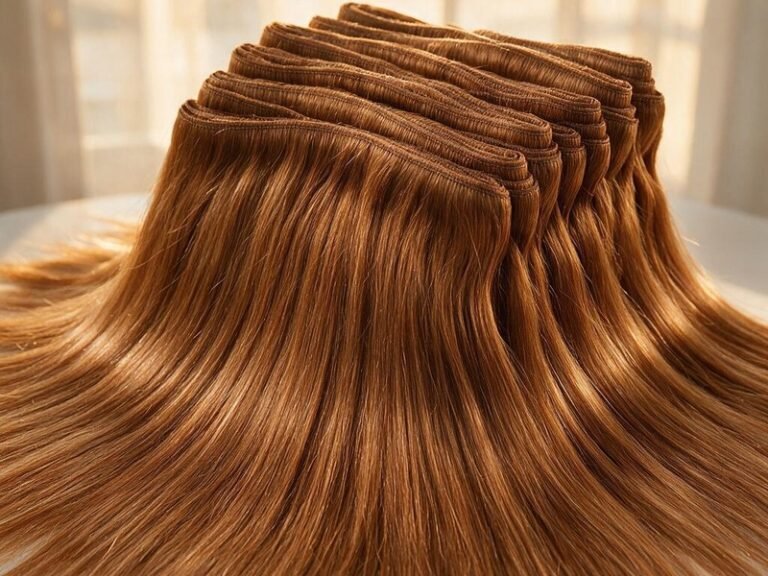
Private label means you buy ready or semi-custom products from a supplier and put your logo on them. The line can include bundles, closures (a small lace or silk top piece), frontals (lace pieces that run ear to ear), wigs, edge control, shampoo, conditioner, and serums. You don’t make wefts—hair sewn onto a track for sew-ins—or formulate shampoo yourself; you choose specs and approve artwork. Custom manufacturing means developing a new texture or bottle formula from zero, with higher costs and minimums. Most new brands start private label so they can order small, reorder by sales, and change packaging later.
What pricing and MOQ should you expect?
Pricing varies a lot. A basic bundle can cost $15 to $30 at factory level; cuticle aligned hair, where strands run root-to-tip in one direction, often costs $40 to $90 per bundle. MOQ means minimum order quantity, the smallest order a supplier will accept. For branded extensions, we usually see MOQs of 50 to 100 pieces per style or length, while custom colors, woven labels, or boxes can raise that to 100 to 500. Care products in custom bottles often start at 500 to 1,000 units per scent, but sticker-label stock may start at 50 to 100; our private label hair care mistakes post covers label-file errors.
How do you keep quality consistent?
Use a spec sheet: hair type, texture, inches, grams, color, weft type, and packaging. Ask if hair is virgin (unprocessed) or Remy (cuticles kept in one direction); those words don’t mean the same thing. Order samples first, then wash and style them like your customers will. If you sell braiding styles, inspect bulk hair for braiding in person; for sew-ins, test weft hair for shedding and thickness. This private label cuticle aligned hair guide explains why donor hair and cuticle direction beat a fancy label.
What happens after artwork is approved?
Orders usually follow samples, deposit, artwork, production, inspection, balance payment, then shipping. Stock hair with sticker labels can take 7 to 15 business days; custom packaging or formulas often take 30 to 60. Ocean freight is cheaper but adds another 20 to 40 days; we’d use air freight for a small launch. Approve one physical labeled sample before mass production; screen colors and logo sizes often look different in hand. Add a two-week buffer on your first order, since artwork revisions and customs paperwork cause most delays.
FAQ
Can I mix lengths in one order?
Usually, but suppliers may require a minimum per length or texture, not just total pieces. Put that rule on the proforma invoice before paying, because ten short runs create more factory work than one bulk run.
Do I own the formula or design?
With standard private label, you own your brand name and artwork, not the supplier’s base formula, bottle mold, or stock texture. Exclusive formulas or custom tooling need a written contract and higher minimums. Have a US business attorney review terms before you scale.
Start with samples, one or two proven textures, and simple labels instead of buying every length at once. You can browse shop all hair extensions for stock options and then send one clear spec list for quoting.
Send Us Your Hair Inquiry
Need bulk pricing, samples, or a private-label quote? Fill in the form and our team will get back to you within one business day.