Understanding What Is a 613 Wig: What Buyers Should Know
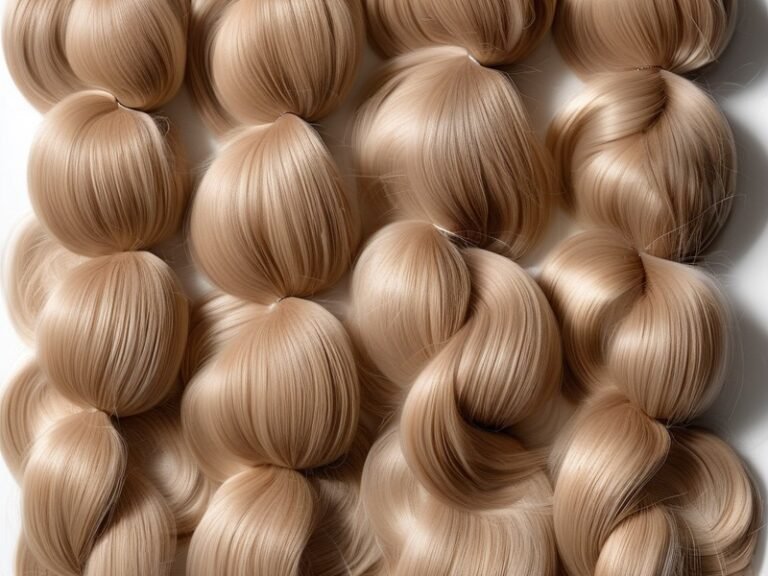
A 613 wig is a wig made with hair colored to the #613 blonde shade, a very light, pale blonde often used for bright blonde looks or as a base for custom colors. For B2B buyers, the main thing to understand is that a good 613 wig is not just “light hair”; it is hair that has survived bleaching without losing too much strength, softness, or manageability.
That last part matters more than many new buyers expect. Blonde processing puts stress on human hair, especially dark donor hair that must be lifted several levels. If you source only by photo or lowest price, you can end up with dry ends, tangling, shedding, uneven lifting, or lace that looks obvious after one wash.
What Exactly Is a 613 Wig?
The number 613 is a hair color code used across the beauty industry. It usually refers to a light platinum blonde or honey-blonde base, although exact tones vary by factory. Some 613 wigs arrive cooler and paler, while others look warmer, more golden, or slightly brassy. If your clients expect one exact tone from every supplier, order samples first.
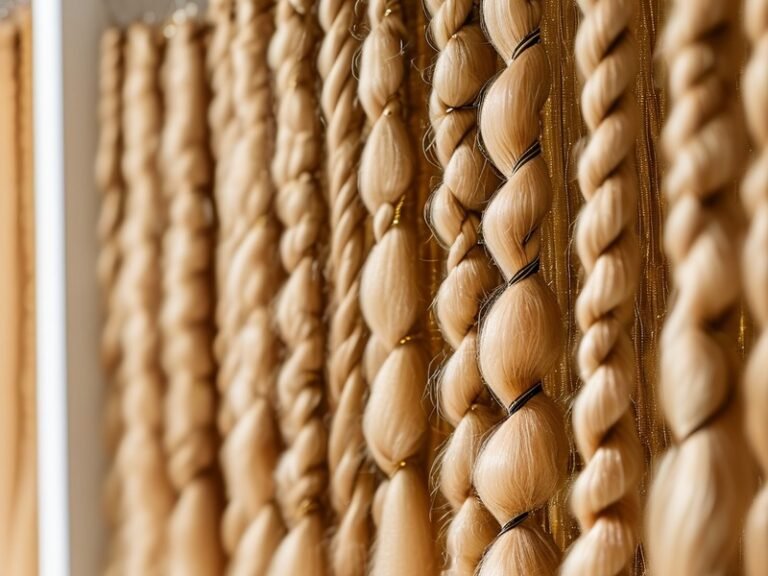
A 613 wig can be made with machine-made wefts, a lace closure, a lace frontal, or a full lace cap. A weft is a stitched track of hair sewn into the cap. A closure is a smaller lace piece, usually 4×4, 5×5, or 6×6 inches, used to cover the part area. A frontal runs across the front hairline, commonly 13×4 or 13×6 inches, and allows more styling flexibility.
Most wholesale buyers asking about 613 wigs are looking for human hair versions sold in body wave, straight, deep wave, loose wave, or curly textures. Synthetic blonde wigs exist, but they are a different product with different heat limits, shine, lifespan, and price expectations. For salon and resale channels, clearly list the fiber type so customers do not confuse processed human hair with synthetic hair.
How Is 613 Blonde Human Hair Made?
Most 613 blonde human hair does not naturally grow in that pale shade at commercial scale. Factories usually start with darker donor hair and lift it using bleach or lightener, then tone it toward the desired blonde. The process may include washing, neutralizing, deep conditioning, coloring, drying, and final wig construction.
The hair category matters. Virgin hair means hair that has not been chemically processed before collection, but once it is bleached to 613, it is no longer virgin in the finished-product sense. Remy hair means the hairs are kept with roots and ends oriented in the same general direction. Raw hair usually refers to minimally processed donor hair, but genuine raw 613 is rare because becoming 613 requires chemical lifting.
Cuticle aligned hair has the cuticle layer running in one direction, which helps reduce tangling and matting. This is especially valuable after lightening because bleaching can roughen or thin the cuticle. A factory may claim “Remy” or “cuticle aligned,” but wholesale buyers should verify through sample washing, brushing tests, hand-feel, and repeated wear feedback rather than trusting a label alone.
Is a 613 Wig the Same as a Platinum Blonde Wig?
Not always. In the market, 613 is often described as blonde, honey blonde, or platinum blonde, but factory results can differ. A platinum shade may be cooler, ashier, and closer to almost-white blonde. A standard 613 may have more yellow or gold warmth, especially under direct sunlight.
If you sell to clients who want ash blonde, pearl blonde, Barbie blonde, or custom pastel colors, a 613 base gives colorists a light starting point. Your salon customers may still need to tone it. If a buyer wants zero brassiness straight out of the package, ask the supplier for recent batch photos under natural light and confirm whether the hair has been toned at the factory.
Also remember that texture changes perception. Straight 613 hair often looks brighter and more golden, while curly or deep-wave blonde hair can appear slightly darker because the curls create shadows. Lace color can also affect the look: transparent, light brown, medium brown, or HD-like lace needs to match the customer’s skin and installation method.
What Quality Checks Matter Most When Buying 613 Wigs Wholesale?
Blonde wigs need stricter checks than many natural black styles because the lifting process exposes weak material faster. A cheap batch may look perfect in product photos but become dry or tangled after shampooing. Before placing a large wholesale order, inspect these points:
- Hair strength: Lightly pull a few strands. Hair should not snap easily, especially near the ends.
- Even lifting: Check the roots, wefts, nape, curls, and inside layers for dark spots or uneven blonde tones.
- Shedding: Brush or run fingers through the sample. A few loose hairs are normal, but continued shedding suggests weak wefting or poor ventilation.
- Tangling: Wash and air-dry the sample, then check for matting behind the nape and around the ends.
- End quality: Blonde processing shows up first as dry, split, or gummy ends. Full ends are worth paying more for.
- Lace and knots: Look at knot size, bleaching, plucking, hairline density, and whether the lace scratches or folds badly.
- Color stability: Wash a sample to see whether the tone changes, oxidizes quickly, or reveals brassy or gray patches.
You should also confirm density, which is the amount of hair in the cap and how full the wig looks. Common wholesale densities are 150%, 180%, and 200%, though some suppliers offer 250% or higher. Higher density uses more hair and usually costs more, but it can also feel heavier and look less natural at the hairline if not constructed well.
Which Cap and Construction Options Should Resellers Compare?
For a 613 wig, cap construction affects price, install time, styling range, and return risk. A lace closure wig is often easier for beginners and can be more budget-friendly. A frontal wig gives a broader parting space and a more flexible hairline, but it usually requires more skill to install and maintain. Full lace wigs allow more updo styling, but they generally cost more and need careful handling.
Glueless cap designs are popular because they use adjustable straps, combs, elastic bands, or grip features to reduce the need for glue. An install is the method used to attach or secure the wig, such as glue, tape, sew-in, combs, bands, or clip attachment. If your customers include everyday wearers or salons doing quick services, glueless and pre-cut lace options may move faster.
Ask suppliers whether the wig has pre-plucked baby hairs, bleached knots, natural darker roots, stretch lace, adjustable bands, or breathable cap material. These details sound small, but they reduce customer complaints. On blonde lace, over-bleached knots can look brittle or create tiny light dots, so inspect the knots closely rather than assuming “bleached knots” automatically means better quality.
What Lengths, Textures, and MOQs Should Buyers Expect?
Wholesale 613 wigs commonly run from about 10 inches to 30 inches, with some factories offering 32 inches or longer by special order. Short bobs are often 8 to 14 inches; everyday long lengths are 18 to 26 inches. Longer blonde wigs need especially strong donor hair because lifting plus length creates more chance for dryness and tangling.
Texture choices usually include straight, body wave, loose wave, deep wave, water wave, and curly patterns. After washing, wave and curl patterns may tighten or loosen depending on processing. Ask whether the texture is natural steam-set texture or achieved through stronger processing, because this can influence how long the pattern lasts.
MOQ means minimum order quantity. Suppliers based in China may accept 1 piece for sample orders, then set wholesale MOQs around 5, 10, or 50 pieces depending on customization. Stock colors and standard cap sizes usually have lower MOQs and faster lead times. Custom labels, custom packaging, special lace colors, extra-long lengths, or custom root colors may require higher MOQs and longer production windows.
Typical stock orders may ship in a few days to around two weeks, while custom production can take two to six weeks depending on factory load and order complexity. Those are planning ranges, not promises. Always confirm current production time in writing before running promotions or taking pre-orders.
How Should Buyers Compare 613 Wig Prices?
A 613 wig usually costs more than a similar natural black wig because lightening uses extra chemicals, processing time, labor, and quality loss. Factories also pay for hair that may not survive processing at the desired grade. If a quoted blonde price looks unusually low, check whether the hair is shorter, thinner, lower density, mixed fiber, heavily synthetic-blended, or made with poor ends.
Price comparison should be per finished wig, not just per ounce or per bundle. Confirm length, density, cap size, lace size, lace material, texture, hair origin claim, knot work, band type, packaging, and whether the price includes custom labeling. A 20-inch 180 density 13×4 frontal wig should not be compared directly with a 20-inch 150 density 4×4 closure wig.
For resale consistency, choose two or three quality tiers instead of constantly chasing the cheapest factory. Your entry tier can serve budget clients, while a better cuticle-aligned tier can support salons and repeat customers. Keep sample records by batch so you can compare shedding, tone, texture recovery, and customer feedback over time.
What Aftercare Should Buyers Tell Their 613 Wig Customers?
Blonde human hair needs more moisture and less heat than uncolored hair. Tell customers to detangle gently from the ends upward, wash with sulfate-free or moisturizing shampoo, use conditioner without soaking the knots heavily, and rinse with lukewarm rather than hot water. Deep conditioning once every one to two weeks can help, depending on how often the wig is worn.
Before heat styling, use a heat protectant and keep flat irons or curling wands at a moderate temperature. Human hair can be curled or straightened, but processed blonde hair is more vulnerable to dryness and breakage. Letting the wig air dry on a wig stand is safer than rough towel rubbing or high-heat blow drying.
Customers should also avoid sleeping on wet hair, use a silk or satin bonnet or pillowcase, and keep wig glue, heavy oils, and alcohol-based products away from the lace. For toning, recommend doing a strand test first because overly strong purple shampoo or long processing time can make pale blonde hair look gray, dull, or lavender. Salon clients should leave major color corrections to a professional colorist.
Common Buyer Mistakes to Avoid
One common mistake is ordering 613 hair like natural color hair and expecting the same durability. Even a well-made 613 wig is chemically processed. It can still look beautiful and last a long time with proper care, but it needs better handling than unbleached hair. Set realistic expectations in your product pages and customer conversations.
Another mistake is judging color only on a phone screen. Lighting, camera filters, skin tone, lace tint, and curl pattern can change the shade. Request factory videos in natural light or buy sample wigs before committing to a batch. If you offer custom coloring services, order slightly higher-quality blonde bases so the hair can survive additional toning or dyeing.
Some buyers also overfocus on hair length and forget cap fit. Measure circumference, ear-to-ear, and front-to-nape if serving customers with larger or smaller heads. Most stock caps use average sizing with adjustable straps, but poor fit can make even premium blonde hair look unnatural. For salon programs, offering cap measuring guidance can reduce exchanges.
Frequently Asked Questions
Can a 613 wig be dyed again?
Yes, a quality human hair 613 wig can usually be toned or dyed to pastel, ash, rose gold, caramel, or darker blonde shades. Because the hair has already been lightened, additional processing increases dryness and breakage risk, so use a professional colorist, strand test first, and avoid repeated harsh bleaching.
How long should a 613 human hair wig last?
With gentle wear, proper washing, regular conditioning, and careful heat use, many good human hair 613 wigs can last several months to over a year. Exact lifespan depends on hair quality, cap construction, daily handling, glue use, maintenance, and whether the customer rotates wigs or wears the same one every day.
If you are stocking 613 wigs for your salon, boutique, or resale business, start with samples in two cap types and two densities before scaling. Test washing, toning, shedding, and fit yourself, then choose the supplier whose batch quality and communication you can rely on over repeat orders.
If you want the full background before you order, our guide on Understanding Closure Wig Styles: What Buyers Should Know walks through it in plain terms.
Send Us Your Hair Inquiry
Need bulk pricing, samples, or a private-label quote? Fill in the form and our team will get back to you within one business day.