Raw Hair vs Virgin Hair: Answers to the Most Asked Questions
Raw hair is unprocessed human hair from one donor; virgin hair is also unprocessed but may be steam-styled or color-selected with intact cuticles. If a supplier uses these labels interchangeably, ask for donor, cuticle, and processing details before ordering. These are the questions we hear most from US vendors and salon buyers.
What exactly is raw hair, and why does it cost more?
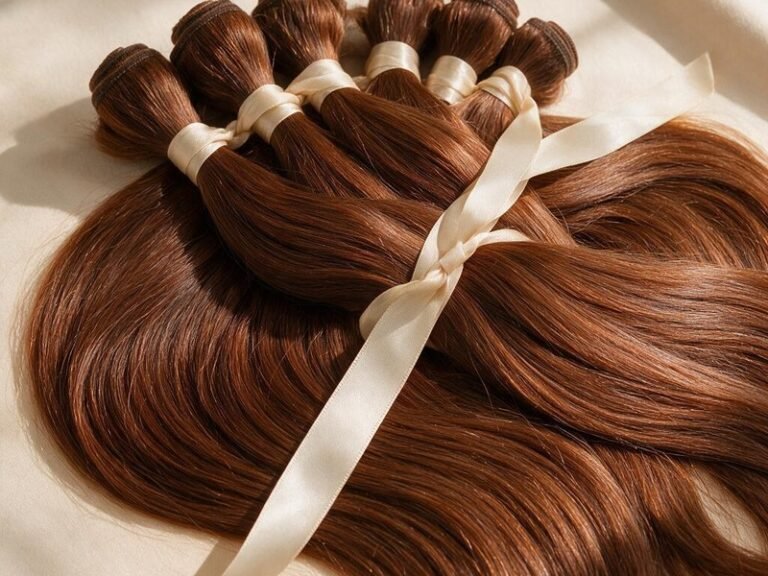
Raw hair comes from one donor and is washed and sold without perms, dye, silicone coatings, or steam texture. The donor’s natural wave, curl, or straight pattern remains, so two body wave batches may look slightly different. That inconsistency is normal, but tighter supply means we usually see wholesale pricing 20 to 35 percent above standard virgin lines. Most raw bundles weigh about 100 grams, or 3.5 ounces, and longer lengths cost more because short hair is more plentiful.
Is virgin hair the same as Remy hair?
Virgin hair has never had chemical processing, such as relaxer, dye, or perm, though it may be washed, sorted, and steam-set for consistency. Remy means cuticles—the tiny scales on each strand—stay facing one direction, usually root to tip. Hair can be Remy without being virgin if colored after collection, and virgin-labeled hair is not always honestly handled. Cuticle aligned means the same root-to-tip direction; aligned cuticles are less likely to mat or tangle. If labels are vague, ask whether the hair was colored or steam-treated before comparing quotes.
Which one should last longer?
Raw hair usually lasts three to five years with careful rotation, while virgin hair commonly gives buyers one to three years. Those numbers aren’t guaranteed; they depend on washing, heat, coloring, weft cuts, and satin protection. Raw hair lifts and tolerates heat better because it starts with fewer treatments, though humidity can bring back its donor texture. Virgin hair can be colored too, but after dye it’s no longer technically virgin, and steam-textured or lower-grade batches may dry faster. Our virgin hair weft care guide suggests gentle washing, deep conditioning, and heat around 300 to 350°F after color services.
How many bundles do I need for a full sew-in?
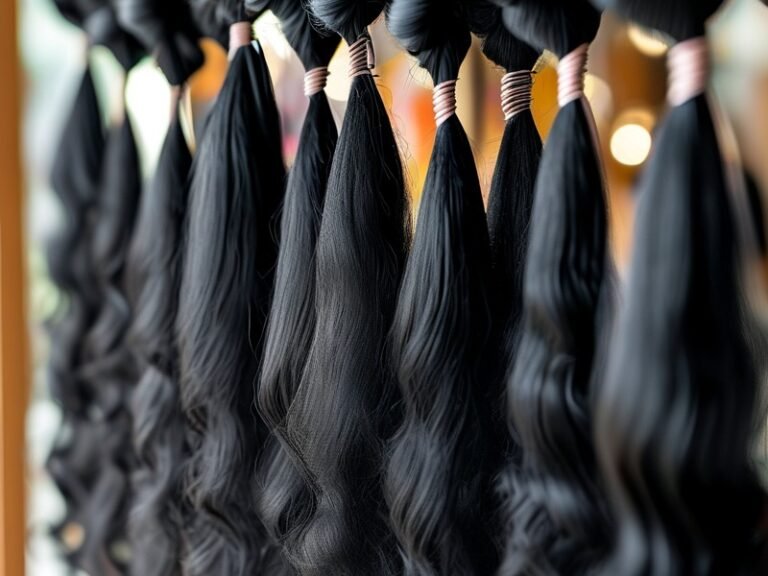
Most weft hair extensions—hair sewn into a track—come in 100-gram bundles: use two to three for 12–16 inches, three to four for 18–24, and four or more past 26. A closure—a small lace or silk top piece—or a frontal, an ear-to-ear hairline piece, can let you drop one bundle. Clients with full heads or a thick finish should choose the higher end, even at shorter lengths. One extra bundle is cheaper than rushing a reorder during prom and wedding season. If unsure, order samples first and compare weft thickness, return hair, and drawn length before a minimum order quantity, or MOQ.
More raw and virgin hair questions
Here are two issues we hear before sample orders.
Does raw hair tangle or shed?
Any human hair can tangle if cuticles reverse, product builds up, or hair dries out, and cut wefts may shed a few strands. Raw hair isn’t tangle-proof; honest raw stock is usually cuticle aligned and minimally coated, which helps.
How can I verify a supplier’s claims?
Ask for a current batch video, donor sourcing details, bundle weight, drawn length, and any steam or color use. Then wash a sample once and check return curl, tangling, odors, and short hairs before a full MOQ.
If you’re stocking a salon or storefront, decide whether clients want consistent texture and lower cost or longest life and natural variation. You can shop all hair extensions, compare bulk hair for braiding, or start with samples before your next order.
Send Us Your Hair Inquiry
Need bulk pricing, samples, or a private-label quote? Fill in the form and our team will get back to you within one business day.