What Is Hair Bulk: Key Differences Explained for Vendors
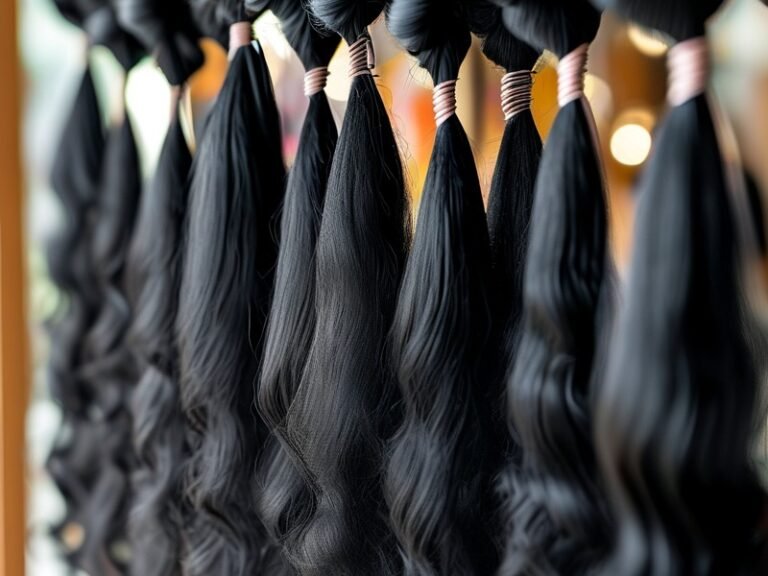
Hair bulk is loose human hair sold without a weft, track, tape, or tip—strands banded near the top, usually about 100 grams per pack. Vendors use it for braiding, knotting, ventilating, and custom wig work because there’s no stitching in the way. Here’s how it differs from the bundles and tips your clients already know.
What’s the difference between bulk and bundles?
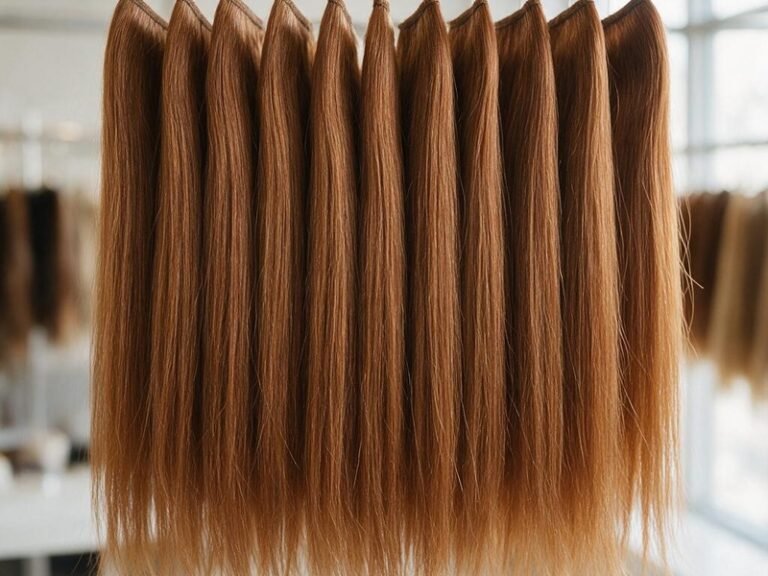
A bundle is weft hair: strands sewn onto a track for sew-in applications. Bulk hair skips the weft, so you can feed it into braids or tie knots without fighting a seam. Packs usually run 100 grams in 12 to 30 inches, but loose strands can shed if the banded end isn’t controlled. If a client asks for “bundles” but is getting braids, bulk is probably what she means.
Is hair bulk the same as braiding hair?
Not always. Braiding hair often means synthetic fiber, while bulk human hair is real hair in loose, weft-free form. Braiders mix the terms, so listings should state fiber, texture, and weight instead of just saying “bulk.” It can be Remy—cuticles aligned in one direction to reduce tangling—and our guide on bulk braiding styles covers the common finishes.
What do vendors use bulk hair for?
Bulk works anywhere a stylist needs loose strands rather than a track:
- Knotless and box braids with hair fed in
- Boho braids using curly bulk for loose ends
- Microlink and bead work with wrapped strands
- Ventilating closures (small lace tops) and frontals (ear-to-ear lace strips)
- Repairing worn wigs or filling thin spots
- Theater and editorial knotting with single strands
Some jobs need raw or virgin hair; others are fine with steam-textured bulk. Virgin hair hasn’t been permed, dyed, or relaxed, though it may be steamed to set a wave. Clients ask for the style, not the form factor.
How do quality grades actually work?
You’ll see raw, virgin, and Remy bulk at very different prices, and those words aren’t grades you can trust alone. Raw hair usually comes from one donor with minimal processing; virgin hair keeps its color but may be steamed for curls. Remy only means the cuticles run one direction, which cuts matting, though it can still be thin or over-processed. Non-Remy costs less because cuticles are mixed or stripped and tangles faster after washing. Our piece on steam-styled bulk explains why curly patterns can loosen over time.
What should I check on a first order?
MOQs usually run 5 to 10 pieces per length and texture, and custom packaging can add 7 to 14 days past a 3-to-7-day production window. Confirm weight—100 grams is normal, since 50- or 90-gram quotes explain the cheaper price. Ask if lengths are measured straight or stretched, because a 20-inch curly pack pulls longer than it hangs. Keep bulk banded and dry; wet loose hair tangles fast, and color batches vary. Sample first so you can check shedding before a full run.
Vendor FAQ
How much bulk hair do I need?
Most adults need 3 to 5 packs of 100-gram bulk for knotless or box braids, depending on size and length. Waist-length or micro braids can take 6 or more. One extra pack is cheaper than a rush shipment.
Can bulk hair be made into a weft?
You can with a wefting machine, but homemade wefts rarely match factory strength. Most vendors buy the two forms separately instead of converting stock. For small repairs, hand-tying or ventilating with bulk is more realistic.
Once you know the form factor, bulk is one of the most flexible items you can stock for braiders and wig makers. Shop all hair extensions to compare textures, or message us with the style your clients want and we’ll help spec the first order.
Send Us Your Hair Inquiry
Need bulk pricing, samples, or a private-label quote? Fill in the form and our team will get back to you within one business day.