All Human Hair Wig: What Wholesale Buyers Need to Know
An all human hair wig is made entirely from human hair, with no synthetic or animal-hair fibers mixed in. For wholesale buyers, that means a higher upfront cost, real heat-styling flexibility, and a unit that can last 1–2 years with proper care.
Is an all human hair wig always virgin hair?
Buyers see a lot of labels, and most get used loosely. Virgin hair means hair that’s never been chemically processed—no dye, perm, or relaxer—while Remy means cuticles were kept facing one direction. Cuticle aligned means the same thing: strands run root to tip, which cuts down on tangling. A true all human hair wig washes, heat-styles, and colors like growing hair; a blended unit often dries out after one co-wash. Ask what percentage is human hair and whether it’s virgin, Remy, or processed.
What wig density should I stock?
Density is how much hair is packed into the cap, shown as a percentage. Everyday clients usually buy 150% or 180%; 150% looks natural and lighter, while 180% has more body and holds curls. A 200% or 220% unit is fuller and heavier—roughly 200–280 grams depending on length—and costs more because it uses more hair. For a first order, I’d mix 14–18 inch units at 180% with a few 200% pieces.
Caps, lace, and the construction buyers ask about
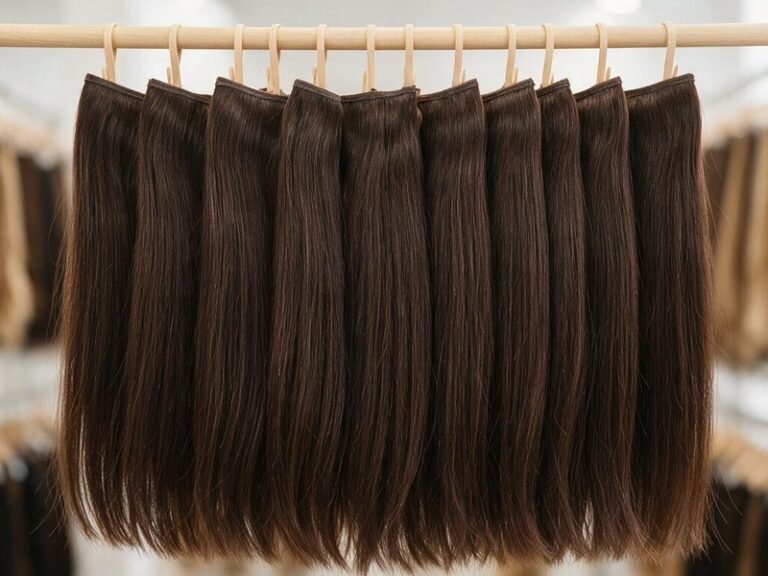
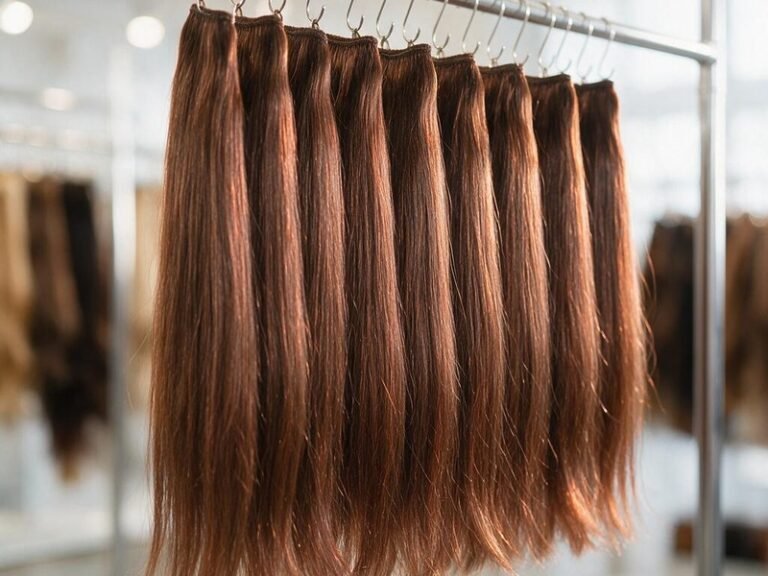
A closure is a small lace piece at the crown, usually 4×4 or 5×5; a frontal runs ear to ear and allows more parting space. Lace front wigs pair a frontal strip with wefts in back; full lace caps can be pulled into high ponies but cost more. Glueless wigs use adjustable straps, combs, and sometimes silicone grips so clients can install without adhesive. Machine wefts are durable on stock units; thin hand-tied wefts lie flatter but shed if cut. For custom makers, we also carry weft hair to pair with closures and frontals.
How do MOQs, pricing, and lead times actually work?
For stock human hair wigs, supplier MOQs often start around 10–50 pieces, with better per-unit pricing at 50 or 100. Custom labels, packaging, or cap sizes usually raise the MOQ and add 7–15 days. A mid-range wholesale unit often runs $45–$120, depending on length, density, and lace; premium virgin costs more. Rush orders are possible, but air freight eats margin, so plan three to four weeks ahead for repeat styles. The cheapest quote usually shows up later—thin lace, mixed hair, or weak elastic.
When stock arrives, check these things
- A slight factory smell washes out; strong fumes or handfuls of shedding are not.
- Run fingers root to tip, then back up. Cuticle-aligned hair is smooth down and slightly rough in reverse.
- Check lace color and knots. Bleached knots look natural, but over-bleached knots fray and shed.
- Inspect wefts, straps, and combs. Secure stitching and adjustable bands prevent early repairs.
- Measure length with the hair pulled straight; textured hair draws up 2–4 inches.
- If you build units yourself, bulk hair offers more control; our wig making guide explains the tradeoffs.
Is an all human hair wig the same as a virgin hair wig?
Not always. All human hair describes fiber content, while virgin describes how much processing the hair has had. A wig can be 100% human hair and still be dyed or steamed, so ask for both details before comparing quotes.
How long will these wigs last for my clients?
With daily wear and regular washing, a well-made unit usually lasts 10–18 months, sometimes two years if clients rotate wigs and use a satin bonnet. Thin caps or over-bleached knots can fail sooner, so construction matters as much as the hair.
If you’re comparing specs or MOQs, our FAQ page covers ordering and shipping in plain language. Start with two or three core styles, reorder what sells, then add textures once you know your clients.
Send Us Your Hair Inquiry
Need bulk pricing, samples, or a private-label quote? Fill in the form and our team will get back to you within one business day.