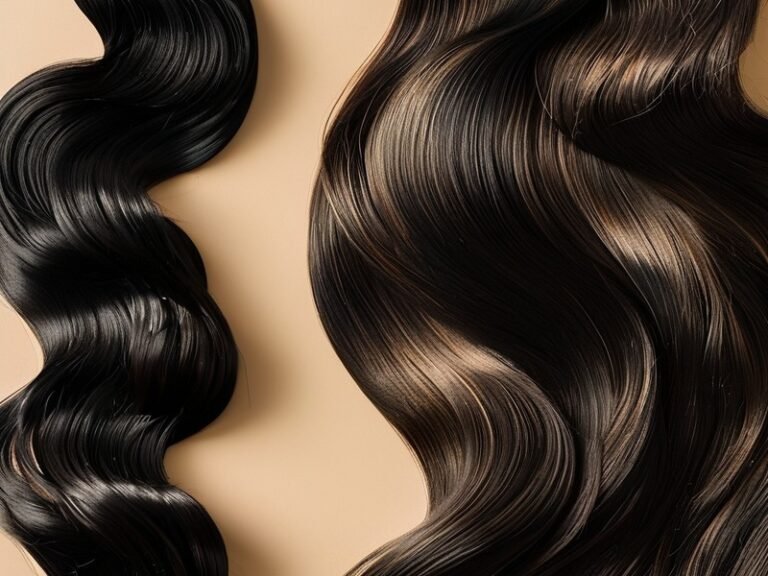
Private Label Hair Care: Answers to the Most Asked Questions
Private label hair care lets you sell shampoo, conditioner, masks, oils, and styling products under your own brand without building a manufacturing facility. The short version: pick a trustworthy formula, customize the label and packaging, meet the supplier’s MOQ, and resell products that fit the hair extensions or wigs your customers already buy.
If you sell bundles, closures, frontals, tape-ins, or wig installs, aftercare is one of the easiest add-on categories because the customer is already asking what to use. The catch is that not every private-label formula is extension-safe, and cheap packaging or weak supplier communication can hurt repeat orders.
What Is Private Label Hair Care?
Private label hair care means a manufacturer makes an existing or semi-custom product, and your company sells it under your own brand name. You usually choose the bottle, cap, scent, label design, and sometimes minor formula adjustments, while the factory handles batching, filling, labeling, and regulatory paperwork to the extent agreed.
This is different from contract manufacturing, where a formula may be developed almost entirely from your brief. Private label usually has lower minimum order quantities, faster sampling, and lower upfront cost because the supplier already has a stable base formula.
For hair extension sellers, the most useful products are sulfate-free shampoo, moisturizing conditioner, hydrating mask, leave-in conditioner, heat protectant, bonding oil, wig shine spray, and edge control. A closure is a small lace or silk piece that closes a sewin, while a frontal runs across the hairline; both need gentle products that reduce frizz without weighing the knots down.
Your line should support the hair you sell. Customers with straight raw hair may want lightweight shampoo and serum, while customers with curly or deep-wave textures often need richer conditioner, curl cream, and anti-frizz products.
What Is the Difference Between Virgin, Remy, Raw, and Cuticle Aligned Hair?
These terms matter because hair care claims should match the hair type. Virgin hair is human hair that has not been chemically processed, colored, permed, or relaxed. Remy means the hair strands were collected with cuticles facing mostly the same direction, though quality can vary by factory.
Raw hair usually describes unprocessed donor hair with minimal steam or chemical treatment, often with a natural texture pattern. Cuticle aligned means the hair cuticles run in one direction from root to end, which helps reduce tangling and matting.
A good private label aftercare line should preserve moisture, limit friction, and keep the hair from drying out. Heavy oils can make straight extensions limp, while products with strong sulfates can strip the hair and make curly or colored hair feel dry.
Do not market a generic shampoo as safe for every category unless you have actually tested it on your textures. Run a sample through several wash cycles on straight, body wave, curly, colored, and processed hair before printing thousands of labels.
What Products Should a New Hair Brand Start With?
Start narrow. A four-piece collection is easier to fund, test, photograph, and explain than a twelve-piece line with overlapping benefits. Most extension brands begin with shampoo, conditioner, hair oil, and a mask or heat protectant.
- Sulfate-free shampoo: Cleans extensions gently without overly stripping moisture.
- Moisturizing conditioner: Helps detangle and soften the ends without leaving heavy residue.
- Deep conditioner or mask: Useful for curly hair, color-treated hair, and wigs that are restyled often.
- Lightweight hair oil or serum: Targets dry ends and frizz; use sparingly near roots, lace, and bonds.
- Heat protectant: Pairs well with customers who flat iron, curl, or blow-dry extensions.
- Leave-in detangler: Strong add-on for curly textures, wigs, and younger clients who need easier brushing.
- Wig or extension care set: Bundle smaller bottles with a silk bag, wide-tooth comb, or instruction card.
If your main business is tape-in extensions, where adhesive sandwiches sit close to the root, avoid teaching customers to apply oils or masks directly at the attachment. If you sell k-tip extensions, which use keratin bonds, recommend products that do not contain heavy slip agents near the bonds. An install is the professional application of extensions, sewin, or wig, so product instructions should tell clients to protect the attachment method, not just the hair.
Keep the first order focused on products you can repurchase within 60 to 90 days. Slow-moving edge controls or extra-hold sprays can tie up cash and expire before you build enough demand.
What MOQ Should You Expect for Private Label Hair Care?
MOQs vary by supplier, bottle type, printing method, and formula complexity. A basic stock bottle with a printed sticker label may start around 100 to 500 pieces per product, while custom colors, custom molds, screen printing, or fully bespoke formulas may require 1,000 to 5,000 pieces or more.
Many new buyers ask for the lowest MOQ possible, but the lowest entry point is not always the best deal. Short runs can have higher unit costs, weaker label adhesion, fewer scent choices, and less room to inspect consistency. On the other hand, ordering 5,000 bottles before testing the formula is unnecessary risk for a small brand.
A practical first order is often 100 to 300 units each for two to four core products. That gives you enough inventory to sell at the chair, online, or through local stylists without filling a storage room with product. Keep the bottles upright, away from direct sunlight, and use a first-in, first-out system.
Ask the factory whether the MOQ applies per SKU, per scent, per bottle color, or per total order. Some suppliers count each bottle size as a separate SKU, so 100 units of 8-ounce shampoo and 100 units of 12-ounce shampoo may not combine toward one minimum.
How Much Does Private Label Hair Care Cost?
Unit cost depends on formula, bottle size, cap, label, order volume, scent, certification, and whether product testing is included. As a buyer, expect basic shampoo or conditioner to cost less per bottle than masks, oils, heat protectants, or products with specialty ingredients and custom packaging.
Do not make a decision using only the factory’s quoted bottle price. Add freight, duties if applicable, labeling revisions, sample fees, boxes, barcodes, seals, storage, payment processing, and replacement costs for damaged units. Bottles can leak in transit, pumps can arrive cracked, and labels can scratch if packaging is weak.
Your retail price needs room for wholesale margins, salon commissions, promotions, and shipping to the end customer. Many brands prefer at least a 50% gross margin after landed product cost, but your market may support more or less depending on positioning and bottle size.
A realistic test is to calculate landed cost per sellable unit, not per shipped unit. If a 500-piece order has a 2% leakage rate from broken caps or mislabeled bottles, divide the full order cost by the number of units you can actually sell.
How Do You Choose Extension-Safe Formulas?
Extension-safe does not have one universal legal definition, so the phrase should be backed by testing and clear use instructions. For most human hair extensions, customers should avoid harsh shampoos that strip the hair, heavy waxes that cause buildup, and excessive protein treatments that make processed hair feel stiff.
Sulfate-free shampoos are popular because they tend to be less drying, but “sulfate-free” alone does not prove quality. Check the ingredient list, pH range, scent profile, viscosity, and how the product rinses out. A conditioner that feels thick in the bottle may still leave residue if it uses too much heavy coating material.
Ask for the product’s intended hair profile. A formula designed for coarse natural hair may be too rich for fine straight extensions, while a volumizing shampoo made for fine natural hair may leave curly bundles feeling dry. The safest line is often a balanced daily shampoo, a moisturizing conditioner, and a separate lightweight treatment for curly or colored hair.
Test products on the exact hair you sell. Wash a bundle multiple times, let it air dry, heat style it, and check shedding, tangling, shine, smell, and feel. For wigs and closures, check whether product buildup makes the knots or lace look crusty or dull.
Can You Customize the Scent, Color, Bottle, and Label?
Most private label suppliers offer some combination of stock scents, stock colors, standard bottles, printed labels, and custom logos. Common scents include coconut, vanilla, floral, fresh citrus, and unscented options, but availability depends on the factory and the product base.
Be careful with heavily colored liquids if you sell light blonde hair, lace closures, or salon white towels. Blue, pink, or caramel-colored product may look premium on a shelf, but it can stain packaging or leave visible residue if the formula is not well tested. Clear or light pearl formulas are usually lower risk for extension brands.
Bottle choice affects both branding and shipping. Soft-touch bottles and luxury pumps can look expensive, but pump dispensers may leak under pressure unless locked or shipped separately. Disc caps and flip caps often travel better, while squeeze tubes work well for masks and styling creams.
Labels need to fit the bottle material and bathroom environment. A sticker that lifts after steam, humidity, or product contact creates a cheap first impression. Ask about waterproof label stock, laminate, adhesive type, bleed lines, barcode placement, and whether the supplier checks label alignment before packing.
What Packaging Details Matter Most for Resale?
The bottle should be easy to hold, easy to dispense, and consistent with your price point. A clean 8-ounce or 10-ounce shampoo bottle is practical for most buyers, while smaller 2-ounce or 4-ounce bottles work well as travel sets, gift sets, or first-purchase add-ons.
Make sure labels include product identity, net contents, directions, ingredients, company name, contact information, batch number or production date, and any required warnings or caution statements. Your supplier can provide a template, but you should have the final label reviewed by someone familiar with cosmetic rules in your selling market.
Bulk hair is loose hair not sewn onto a weft, and a weft is the stitched track used for sew-in bundles. If you sell both hair and aftercare, use packaging language that helps the customer understand which product fits which method: bundles, wigs, closures, tape-ins, k-tips, or natural hair underneath.
Add a simple aftercare card. Tell clients how often to wash, how to detangle from ends upward, how much oil to use, and how to sleep with a satin scarf or bonnet. This reduces misuse and gives customers a better result than a pretty bottle with no instructions.
How Long Does Private Label Production Take?
Lead time usually breaks into sampling, label design, production, curing or filling, quality inspection, packing, and transit. Stock formulas with simple labels may take a few weeks, while custom packaging, custom colors, branded pumps, or larger production runs can take several weeks longer.
Always ask whether the quoted lead time includes label printing and outer cartons. Some suppliers quote production from the day artwork is approved, but the clock cannot start until sample sign-off, deposit, label files, and packaging choices are complete. Delays often happen during artwork revisions, not during filling.
Plan around salon launches, holiday sales, and wig-install seasons instead of ordering after demand starts. Reordering by air can eat your margin, while ocean freight and customs clearance can add weeks depending on route, documentation, and season.
Ask for a production schedule in writing: sample date, artwork deadline, deposit deadline, bulk production date, finished photos, inspection date, and shipment date. A dependable supplier should also tell you what happens if caps, labels, or cartons are delayed.
What Is the Difference Between Private Label and White Label?
Private label usually means the product is branded for one retailer or hair business, with selected packaging and sometimes limited customization. White label often refers to a more generic product that many different companies can buy and put their own name on, with fewer changes to scent, bottle, or formula.
In practice, some suppliers use the terms interchangeably. The important question is not what they call it, but what you are allowed to customize and whether the same exact package is being sold to direct competitors in your market.
If exclusivity matters, ask whether the formula, scent blend, label design, or bottle shape can be exclusive at a certain order volume. Do not assume you own the base formula just because your logo is on the bottle. Most private-label arrangements let you own your artwork and brand identity, not the manufacturer’s underlying formulation.
If you later want stronger differentiation, contract manufacturing may be the next step. That usually requires larger MOQs, formulation fees, stability discussions, and longer development time, so it makes more sense after you know which products already sell.
How Do You Check a Private Label Hair Care Supplier?
Start by asking for samples, ingredient documents, product specifications, label templates, batch examples, packaging options, and photos or videos of the production and filling area. A supplier who cannot explain the product’s texture, scent, pH, usage, or packaging limitations may just be reselling from another workshop.
Evaluate communication as part of quality. Notice whether they answer MOQ, lead time, leakage, labeling, and reformulation questions directly. Ask how they handle damaged bottles, missing pumps, wrong labels, late shipments, and inconsistent fragrance between batches.
Place a small sample order before bulk. Test shipping in the actual carton, open every style of cap, check bottle weight, and inspect labels after a few hot and humid days. If possible, have stylists and real customers use the products for several weeks before committing to a launch.
Be cautious of suppliers who promise dramatic growth, repair every hair type, or use medical-style language. Hair care products are cosmetic products, not miracle treatments. Honest positioning around cleansing, moisture, softness, manageability, frizz control, and heat protection is safer and easier to support.
Should Hair Extension Vendors Sell Shampoo and Conditioner?
Yes, if you already answer aftercare questions or deal with tangling complaints. Selling the right products gives you some control over how customers wash and maintain the hair, and it creates repeat purchases between bundle or wig orders.
The downside is responsibility. If a customer uses too much oil on tape-in bonds, applies mask to the roots, or washes a frontal harshly, your brand may still receive the complaint. Clear instructions and realistic claims help, but you cannot control every home-care routine.
Start with products that match your best-selling textures. A straight-hair brand may do well with lightweight shampoo, conditioner, and serum. A curly-hair brand may need leave-in, mask, curl cream, and anti-frizz oil. A wig brand may prefer lace-friendly shampoo, detangler, foam, and a gentle shine mist.
Do not treat aftercare as an afterthought. A bad shampoo can create returns on otherwise good hair, while a reliable routine can improve satisfaction and give stylists confidence recommending your brand.
How Do You Price and Bundle Private Label Products?
Price each item from landed cost, not factory unit cost. Include the bottle, formula, cap, label, seal, master carton, freight, payment fees, samples, replacements, and any design or compliance review cost. Then compare the final retail price with similar salon-quality products in your niche.
Bundles are usually easier to launch than a wall of separate products. A wash-day set with shampoo and conditioner, a repair set with mask and oil, or a wig kit with shampoo, leave-in, and edge control gives customers a clear routine and raises average order value.
Salon professionals may need wholesale pricing, while retail customers buy individual bottles. Set separate price tiers for licensed stylists, bulk resellers, and direct customers before you print menus. If everyone receives the same price, your salon partners have little reason to promote the line.
Use realistic bottle sizes. A 2-ounce oil can retail well if the formula is concentrated, while an 8-ounce conditioner may feel more familiar. Keep the grams or milliliters consistent on labels and product pages, and verify fill weights during inspection because underfilled bottles cause complaints fast.
Frequently Asked Questions
Do I need a big inventory budget to start private label hair care?
No, but you should budget for samples, labels, the first production run, shipping, and a small reserve for replacements. Starting with 100 to 300 units each of shampoo, conditioner, and oil is usually more sensible than ordering a large collection before you know repeat demand.
Can private label products be used on all hair extension types?
Not automatically. Formulas should be tested on your specific textures and attachment methods, especially tape-ins, k-tips, closures, frontals, curly hair, and blonde hair. Give customers separate guidance for the hair itself and the bonds, lace, or wefts.
Who is responsible for label compliance and product claims?
Your brand is normally responsible for the claims and final label you sell under, even if the manufacturer supplies a template. Review ingredients, warnings, net contents, company details, and wording with a qualified professional before approving bulk production.
What is the safest first order for a new extension brand?
Start with a compact collection: sulfate-free shampoo, moisturizing conditioner, and one treatment such as oil, mask, or heat protectant. Test those products on your hair textures, collect feedback from stylists, and add styling products only after the core wash set sells consistently.
If you are building a hair extension brand, we can help you match private label aftercare to your textures, attachment methods, and order size. Send us your target products, bottle preference, and estimated quantity, and we’ll walk through realistic MOQs, samples, and lead times before you commit.
If you want the full background before you order, our guide on What Is the Hair Cuticle: Answers to the Most Asked Questions walks through it in plain terms.
Send Us Your Hair Inquiry
Need bulk pricing, samples, or a private-label quote? Fill in the form and our team will get back to you within one business day.