Brown Wigs Lace Hd Wholesale: How to Avoid Overpaying
Most buyers overpay for brown HD lace wigs because they buy the label instead of the construction. The smart move is to compare hair grade, lace size, density, cap work, and total landed cost—not just the quoted wig price.
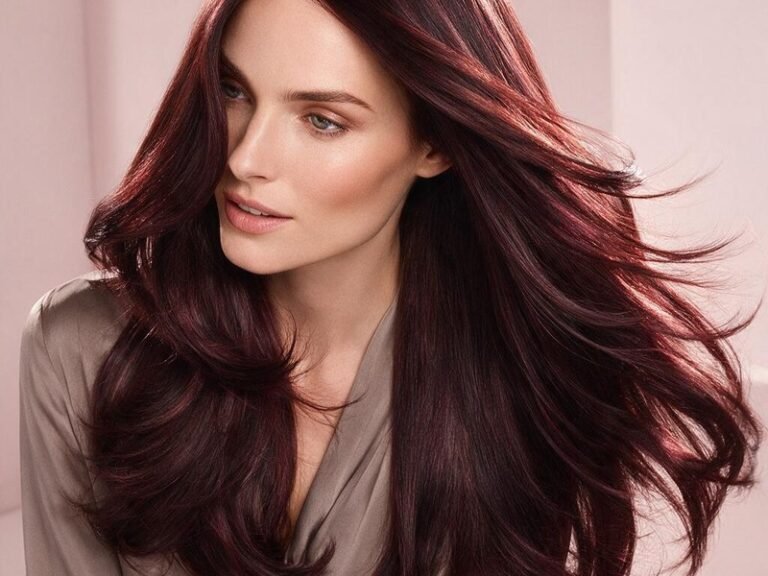
HD lace is a thinner, softer lace that can look more scalp-like than regular Swiss lace when the color and knot work match the client. For brown wig wholesale, the shade range matters too: medium brown, chestnut, chocolate, auburn brown, and highlighted brown units do not all cost the same to produce.
What Are You Actually Paying for in an HD Lace Brown Wig?
A wholesale quote usually bundles several different costs: the hair itself, lace type, wig size, hand-tying labor, density, bleached knots, plucking, elastic bands, combs, packaging, and shipping. If one supplier is much cheaper, the difference often shows up in thinner density, coarser hair, smaller lace, weaker wefts, or rushed knot work.
Virgin hair means hair that has not been chemically processed, while Remy means cuticles generally run in the same direction. Raw hair usually refers to less processed donor hair, but the word is used loosely in wholesale markets. Cuticle aligned hair means the strands are oriented the same way, which reduces tangling. Brown shades often involve processing, so asking for “virgin colored hair” without clarification can create mismatched expectations.
A closure is a smaller lace piece, commonly 4×4, 5×5, or 6×6 inches. A frontal runs across the front, often 13×4 or 13×6 inches. A full-lace or larger-lace wig uses more hand-tied material and usually costs more. An HD lace front wig in brown can be a good value if your clients mainly want a natural hairline, while full HD lace only makes sense for updos, broader styling, or higher-ticket salon services.
Density is the amount of hair sewn or tied into the cap. Many wholesale brown wigs are sold as 150%, 180%, 200%, or 250%. Those numbers are not always measured the same way between factories, so ask for grams per length and cap size instead of trusting the label alone.
What Is a Fair Wholesale Price Range for Brown HD Lace Wigs?
I cannot give one universal number because length, hair quality, lace size, and currency movement change pricing constantly. I can tell you how to spot a bad quote. A 20-inch 180% density 13×4 HD lace front brown wig should cost less than a 28-inch 200% unit with upgraded knots and raw hair. If two quotes look identical on paper but differ by 20% or more, request the exact specs before placing a bulk order.
Short bob wigs around 10–14 inches can be a better starting point if you are testing a new supplier. They use less hair, allow faster quality checks, and usually have lower cash exposure. Longer lengths from 24–30 inches rise quickly because longer donor hair is limited, and brown processed shades may have extra sorting or coloring cost.
Be cautious with quotes that advertise “HD raw cuticle aligned brown hair” at low market pricing. Some factories substitute regular transparent lace, blend hair from multiple donors, reduce density near the nape, or use heavier silicone to make the hair feel soft initially. A cheap wig that sheds after two washes is not a discount; it costs you returns and salon credibility.
Fair pricing comes from repeatable specs. Ask for a quotation that lists hair material, origin claim, color number, lace type, lace dimension, cap construction, density, gram weight, knot treatment, adjustable straps, packaging, MOQ, production lead time, and shipping terms. That makes suppliers quote the same product instead of letting each one choose where to cut corners.
Which Brown Wig Construction Gives the Best Margin?
For most US salons, braiders, and boutique vendors, a 13×4 HD lace front wig in 180% or 200% density is the sweet spot. It gives a natural front and enough styling flexibility without the expense of full lace. A 5×5 HD closure wig can also be profitable for clients who want less maintenance and a simpler install, though the parting space is more limited.
Install means the method used to attach the wig, such as cutting the lace, using adhesive, sewing, clips, or grip bands. If your clients mostly wear glue-less styles, focus on cap fit, adjustable straps, combs, and a well-made elastic band. Paying extra for lace that most clients will hide under a bang or headband does not improve margin.
Texture affects perceived value as much as shade. Straight and body wave brown wigs are common and usually easier to compare. Deep wave, curly, and kinky curly units can look fuller at lower measured density, but they need careful curl matching and stronger quality control because curl pattern inconsistency is common. If you sell multiple brown shades, start with two or three proven colors instead of carrying a huge shade chart.
Highlighted brown, piano brown, balayage-style brown, and warm auburn tones can retail for more, but coloring adds cost and quality risk. Solid chocolate brown or medium brown is often safer for repeat orders because touch-ups and replacements are easier to match. Ask whether the color is dyed in bulk before ventilating or applied after construction; the method can affect knots, shedding, and how the lace looks against the scalp.
How Do You Compare Supplier Quotes Without Getting Confused?
The fastest way to avoid overpaying is to create one spec sheet and send it to every supplier. Do not let each factory send its own “premium brown HD wig” description, because premium means different things in different workshops. Use the same length, texture, cap size, density, lace dimension, shade, knot work, and packaging for every quote.
- Hair: human hair percentage, donor type, cuticle direction, steam-processed or chemically processed texture.
- Color: exact brown shade, root color, highlight ratio, and whether gray hair is acceptable.
- Lace: true HD material, lace size, lace color, stretch or non-stretch, and whether replacement lace is available.
- Cap: glueless bands, combs, adjustable straps, cap size, breathable material, and machine weft or hand-tied areas.
- Density: advertised percentage plus actual gram weight by length.
- Finish: bleached or natural knots, plucked hairline, baby hairs, fixed part, or free part.
- Terms: MOQ, sample cost, production days, payment structure, defect policy, and shipping method.
Ask for close videos, not only studio photos. Request footage of the hairline, knots, crown parting, nape, wefts, inside cap, shedding check after combing, and lace against a hand. Photos taken under ring lights can make brown tones look warmer and lace look thinner than it really is.
Always calculate landed cost. A slightly higher factory price with dependable lead times and lower defect rates may be cheaper than a low quote with rushed shipping, surprise duties, replacement orders, or chargebacks. For repeat business, negotiate tier pricing after you have tested one sample and one small batch, not before you know the factory’s consistency.
What Are the Most Common Hidden Costs in Brown HD Wig Orders?
The first hidden cost is density loss. A wig labeled 200% may look thick in the front but sparse around the sides and back. Ask for total weight and compare it across suppliers, remembering that curly hair weighs differently and that cap size changes the amount of hair used.
The second is color correction. Brown shades are easy to get wrong because factory monitors, US lighting, phone cameras, and client expectations all differ. A chestnut wig can arrive too red, too ash, or almost black. Order a color ring or sample weft before buying bulk, especially if you plan to market specific shades online.
The third is lace replacement and repair. HD lace is thin, which helps the natural look, but it can tear more easily during rough installation or poor handling. If your clients are new to lace wigs, charging for a delicate full-lace unit may create more service issues than a thicker lace front with a well-matched tint.
Other costs include branded packaging, custom labels, extra baby hairs, wider cap sizes, longer adjustable straps, pre-plucking, bleached knots, disinfectant processing, express shipping, and storage. Some are worth it; others do not change what your client sees. Cut the extras that do not support your retail price or service standard.
How Much Should You Order to Get Real Wholesale Pricing?
Most factories offer better pricing at higher MOQs, but a large MOQ is not automatically a good deal. Brown wigs are fashion inventory, and shade, length, and texture preferences can shift quickly. A first order of 5–20 units across a controlled shade range often gives you enough volume to test quality without filling shelves with colors you cannot move.
Some suppliers list a low MOQ but charge near-sample prices until the order reaches 30, 50, or 100 pieces. Ask for the full price break by quantity, and compare the discount against cash flow, storage, and risk. A 5% saving is not helpful if half the order sits in slow lengths or shades.
Reorder the proven combinations. For many buyers, that means 16–24 inches, natural brown or highlighted brown, straight or body wave, medium cap size, and 180% density. Keep exotic textures, 30-inch lengths, 250% density, and custom colors for preorders or premium clients until you know the demand.
If you are a salon doing installs, you may need fewer stock units but more consistency. If you are a reseller shipping directly to customers, you need clean packaging, reliable sizing, and low defect rates. Choose your MOQ around your sales model, not around the supplier’s favorite promotion.
Buyer Checks Before You Pay a Deposit
Before paying, confirm whether the listing price is for the wig only or includes the lace, band, combs, packaging, and customization. Also confirm whether brown shades and highlighted brown shades carry the same price. Some factories quote a black-hair price and add color fees later.
Request sample terms in writing. A sample helps you check shedding, lace thickness, knots, cap fit, color accuracy, and hair feel after washing. Wash the sample gently, let it air dry, and inspect tangling at the nape. Human hair can still dry out or tangle if the cuticles are misaligned or heavily processed.
Understand the difference between bulk hair and finished wigs. Bulk hair is loose hair without a weft, mainly used for braiding or custom ventilating. A weft is hair sewn into tracks for wig caps or sew-in extensions. Finished wigs involve much more labor, so comparing a bulk hair price to a completed HD lace wig price will mislead you.
Do not confuse other extension formats with wig costs. Tape-in extensions use adhesive weft tabs, and k-tip extensions use individual keratin bonds. Those products have different labor, packaging, and pricing structures. If a supplier mixes these terms loosely or cannot explain cap construction clearly, keep looking.
Frequently Asked Questions
Are HD lace brown wigs worth the higher wholesale cost?
They can be worth it if your clients care about a natural hairline and you know how to install and care for thin lace. For everyday inventory, a good 13×4 HD lace front often gives better value than a full-lace wig. Skip the upgrade if your clients mostly wear bangs, headbands, or styles that hide the lace.
How can I tell if a wholesale brown wig quote is too cheap?
Compare gram weight, lace size, density, hair processing, knot work, and return terms, not just the final price. If the supplier cannot provide clear videos, exact specs, or a sample policy, the low quote may come from blended hair, thin density, weak lace, or inconsistent coloring.
What density should I stock for brown HD lace wigs?
For most US buyers, 180% is a practical everyday density and 200% gives a fuller look with stronger retail appeal. Short bobs may need less hair to look thick, while longer straight styles can look sparse unless the weight is distributed evenly. Always verify actual grams because density percentages vary by factory.
Send us your target length, shade, lace size, density, and order quantity, and we can help you compare specs instead of guess from a vague quote. Ordering a sample first is the safest way to confirm the brown tone, lace quality, and construction before you commit to wholesale stock.
If you want the full background before you order, our guide on Lace Front Wigs Human Hair Color: Wholesale Sourcing Mistakes to Avoid walks through it in plain terms.
Send Us Your Hair Inquiry
Need bulk pricing, samples, or a private-label quote? Fill in the form and our team will get back to you within one business day.