Human Hair Braiding Styles: What Beginners Should Know
Anyone learning human hair braiding styles should first choose type, texture, quantity, and install method. Most styles use bulk hair—loose hair sold without a weft—so braiders can feed it directly into plaits and twists. Here’s what we tell new buyers before their first order.
What types of human hair are used for braiding?
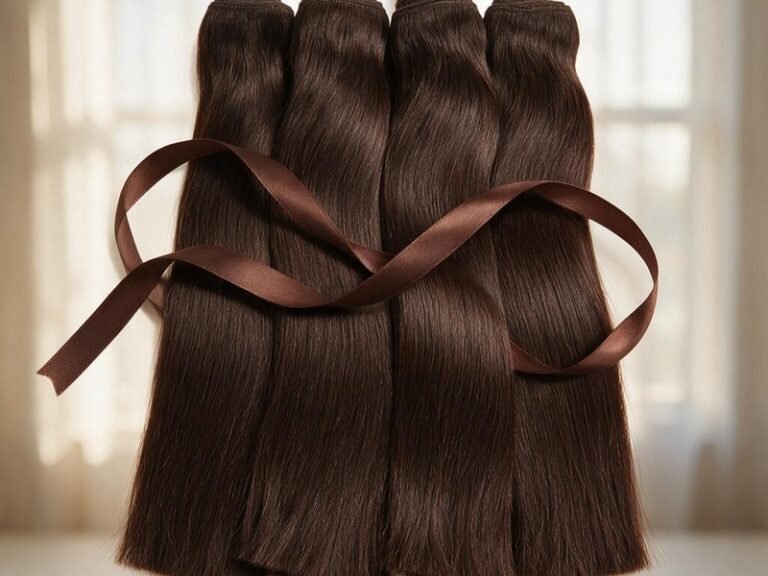
Most braiding uses bulk hair because loose strands feed cleanly into braids and twists. Virgin hair is chemically unprocessed human hair, while Remy hair has cuticles kept in one direction. Cuticle aligned means every strand’s outer layer runs root to tip, reducing tangling after washing. Box braids, knotless braids, and twists need soft steamed hair, not coated blends. Order a sample before a bulk resale run; this no-weft hair guide explains more.
How many bundles do I need for a full braided style?
A bulk bundle is a tied pack, usually about 100 grams, though some packs are only 50g. For medium 18–22 inch box braids, we see most stylists use 5–7 100g bundles. Styles at 24–30 inches can need 8 or more, and micro braids need even more. Boho braids with human-hair curls only at the ends need just 2–3 curly bulk bundles. Always compare grams, not pack count, because smaller packs make a listing look cheaper.
Which human hair braiding styles should beginners stock?
- Knotless and classic box braids sell steadily and need smooth straight bulk.
- Goddess or boho braids use curly ends; pair straight bulk with deep wave styles.
- Senegalese twists need soft straight hair with enough grip to avoid unraveling.
- Micro braids are labor-heavy but lightweight human hair helps.
- Feed-in cornrows use less hair and make a low-risk first retail style.
Price, quality, and the tradeoffs nobody mentions
Cheap human hair may have mixed cuticles, short strands, or silicone coating that washes out. A 20-inch cuticle-aligned bundle can cost two to three times more, but tangles and returns drop. Don’t build a resale brand on the cheapest grade; one matted batch costs more in chargebacks. Minimum order quantity, or MOQ, often starts at 10–50 bundles, with stock orders taking 7–15 business days. Sample 18 and 24 inches, wash them, and braid them before ordering full sizes.
How should beginners prep their first order?
Start with straight, body wave, and deep wave in 18, 20, and 22 inches—not every length and color. Display a braided swatch so clients can feel budget and cuticle-aligned hair. Tell clients to wash gently, dry the roots, and wrap the hair at night to reduce tangling. Label each pack with length, texture, grams, grade, and whether it is virgin or processed. Check the FAQ page for shipping terms and ask for natural-light photos first.
FAQ
Is human hair better than synthetic for braiding?
Human hair is lighter, reusable, and heat-safe, but it costs more and can tangle with mixed cuticles. Synthetic is cheaper and holds a firm set, but it’s heavier, frizzes faster, and can’t take heat. For long-wear salon braids, human hair is usually the easier sell.
How long do human hair braids last?
Most braided styles stay neat 4–8 weeks, depending on size, care, and new growth. Cuticle-aligned human hair can often be reused if removed carefully and washed gently. Past 8 weeks, braids risk buildup, matting, and breakage.
Start with samples, compare grams and cuticle quality, and stock the styles your braiders already install. You can browse hair extensions and bulk options here, then send us the lengths to test.
Send Us Your Hair Inquiry
Need bulk pricing, samples, or a private-label quote? Fill in the form and our team will get back to you within one business day.