Best Virgin Hair: Wholesale Sourcing Mistakes to Avoid
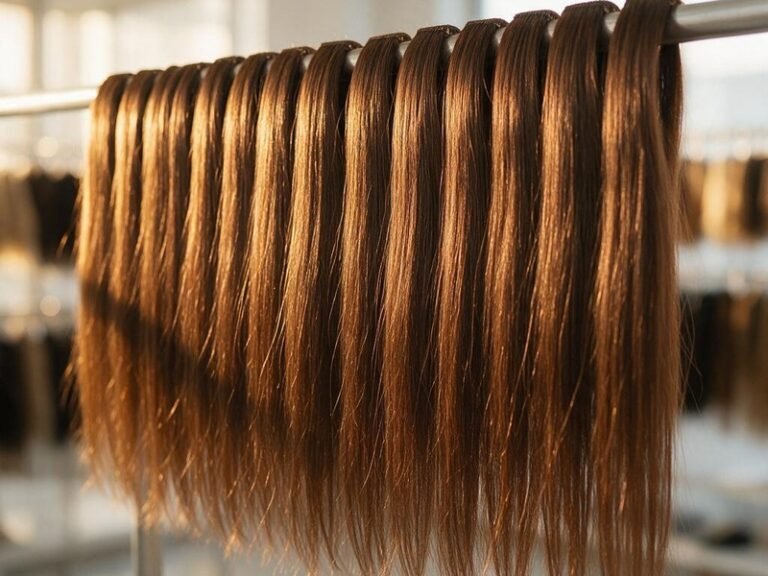
The best virgin hair is unprocessed, cuticle-aligned human hair; smart buyers check processing, weight, and supplier consistency instead of chasing the lowest quote. Cuticle aligned means strands run root to tip in one direction, reducing tangles. Here are the mistakes we see most, plus specs that protect your margin.
Why is the cheapest virgin hair usually a trap?
Price matters, but a quote 20-30% under market usually means mixed donors, fallen hair, steamed texture, or 90g bundles instead of 100g. Some “virgin” hair has a silicone coating that feels soft until two or three washes remove it and tangles appear. You don’t need the priciest hair, but the price has to let a supplier sort and process it honestly. That extra cost always comes back later.
What is the difference between virgin, Remy, and raw hair?
Use these terms in writing before you order. Virgin hair is chemically unprocessed; Remy means cuticles stay aligned in one direction, but it can still be chemically processed. Raw hair usually means unsteamed and minimally processed, not automatically softer or stronger. Ask whether texture came from steam or chemicals, and get it on the spec sheet.
Skipping the actual bundle weight and length check
Most standard bundles weigh 100g, or 3.5 oz; cheaper quotes may use 90g or 95g bundles with heavy packaging. Length is measured straight and pulled taut; 28-30 inch costs more than 14 inch, and curly hair looks shorter from curl contraction. Weigh three sample bundles on a gram scale and measure from the weft to the longest ends. A 5% variance can be normal, but repeated 10% shortages are a supplier problem.
Ordering the wrong hair construction for your customers
Virgin quality is only half the spec; the construction determines installation and sales speed.
Sew-in salons want machine weft hair, which is hair stitched onto a track.
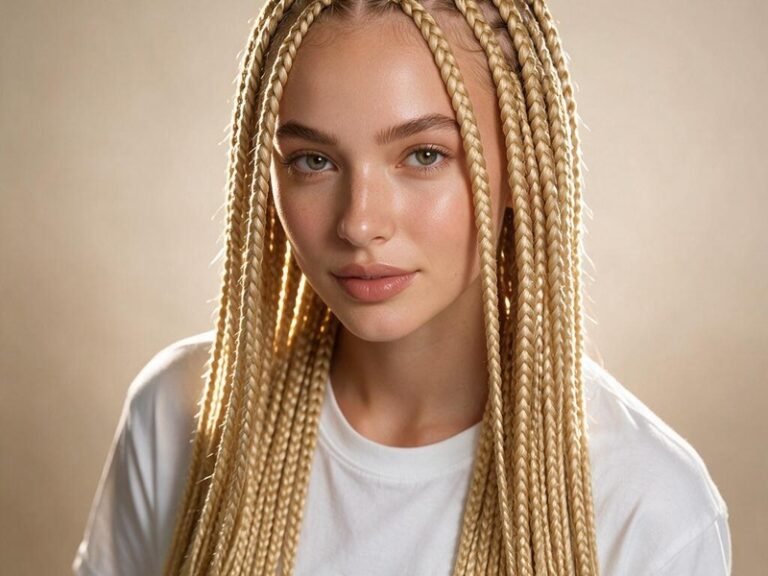
Braiders prefer loose bulk hair with no weft, and tape-ins or K-tips need different application training.
Our guide to braiding hair human virgin bulk covers that category, so start with two or three proven textures your core clients use and expand after reorders.
Test the supplier before placing a full wholesale order
A low MOQ, or minimum order quantity, often 10-50 bundles, lets you test wash, color, and install before buying hundreds. Stock orders may ship in 7-15 days; custom textures or large runs take 30-45 days, so plan launches early. Ask for batch photos and policies on matting, short hairs, or wrong texture; our glueless wig sourcing guide uses the same checks for wigs. A good supplier answers these questions before payment instead of pushing a wire transfer today.
Buyer FAQ
How many bundles do I need for a full sew-in?
For a sew-in, two bundles work under 16 inch, three cover 18-24 inch, and four or more suit 26 inch or fuller styles. A closure is a small lace or silk piece at the top, while a frontal runs ear to ear; either changes bundle count.
How do I test a new virgin hair supplier?
Order a sample, wash it three times, then air-dry it to check shedding and matting. Do a strand lift test if clients color hair; virgin hair lifts more predictably, though results depend on technique. Reorder after two batches match in weight and texture.
You don’t need to be a hair scientist to buy the best virgin hair; you need clear specs, a gram scale, and a supplier who answers boring questions. You can shop all hair extensions or send us your texture, length, and construction list before your next restock.
Send Us Your Hair Inquiry
Need bulk pricing, samples, or a private-label quote? Fill in the form and our team will get back to you within one business day.