How to Start a Hair Extension Business From Home
You don’t need a fancy storefront, a huge business loan, or a cosmetology license (in most states, anyway) to start selling hair extensions from home. We’ve watched hundreds of first-time sellers turn a spare bedroom, garage shelf, or even a dedicated closet into a steady income stream selling to local clients, social media followers, and neighboring stylists. Most of the folks who fail don’t lose out because of bad marketing — they skip the boring, unglamorous prep work that keeps costs low and customers coming back.
Skip the $5k starter kit trap first
If you’ve spent any time researching this business online, you’ve seen the gurus selling $5,000 “all-in-one” starter kits packed with every texture, length, and installation type under the sun, plus branded swag no one asks for. We see new buyers fall for this every month in our warehouse. They drop a huge chunk of savings on 40+ bundles across 10 different SKUs, then sit on 70% of that inventory for 6+ months because their actual customers only want 2-3 of those options.
You don’t need 30 different products to launch. The tradeoff of starting small is that you might miss a random sale here and there for a product you don’t stock, but that’s a tiny loss compared to tying up thousands in hair that collects dust on your shelf. Skip the custom packaging, logo tags, and fancy thank you cards until you’ve made at least 20 sales to people who aren’t your friends or family. Those touches are nice, but they don’t make you money when you’re just getting started.
Pick your first 1-2 product lines, not the whole catalog
It’s tempting to stock wefts, tape-ins, k-tips, clip-ins, and braiding hair all at once just so you can say you have something for everyone. Resist that urge. If your core audience is local braiders who post their work on Instagram — have you noticed half the stylists in your area are booking knotless braid installs 3 months out? — bulk hair for braiding is your no-brainer first stock. Braiders buy consistently, often in 3-5 bundle orders per client, and reorder every 2-3 weeks once they find a quality source they trust.
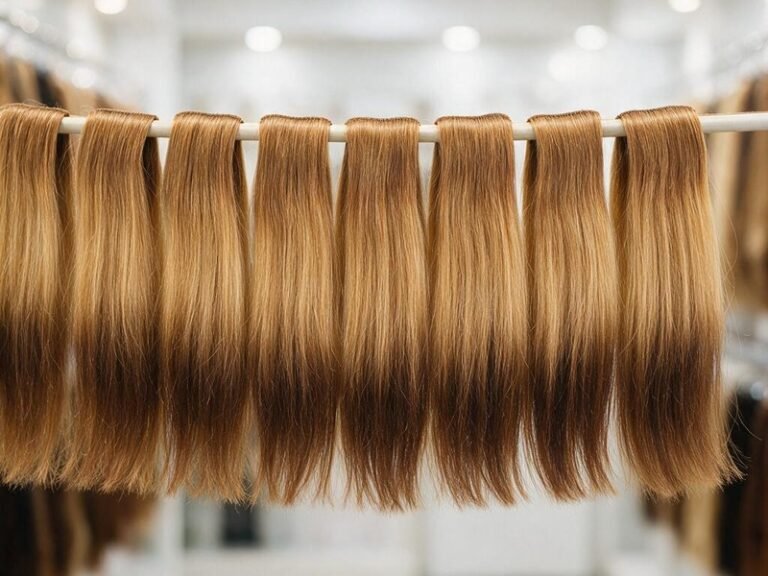
If most of your early followers are people looking for standard sew-in installs or quick weaves, weft hair extensions are the most approachable, low-fuss option to start with. They work for a wide range of install styles, have a lower price point than pre-bonded options, and are easy to store in clear plastic bins on a closet shelf. A test order of 12 weft bundles (4 each in 18”, 22”, 26” in your top two textures) will run you roughly $450-$600, depending on grade, enough to fulfill 4-6 full client orders without overextending.
You will get requests for products you don’t carry at first. That’s normal. You can take pre-orders for those items with a 50% deposit, or just be honest that you’re rolling out new products as you grow. No one expects a new home-based business to have the same selection as a big national retailer.
What you’ll actually spend to start a hair extension business from home (no hype)
Forget the online personalities telling you you need $10k in startup cash to be taken seriously. Most successful home-based sellers we work with launch for $1,200-$1,800 total, and that includes all the basics you actually need. You can even start for less if you’re on a tight budget by taking pre-orders before you buy bulk stock, so you’re only purchasing hair you already have a buyer for.
Here’s what that typical startup budget breaks down to:
- First test inventory order (12-15 bundles, 1-2 product types): $450-$700
- Sample bundles to test wash, heat style, and check for shedding: $75-$120
- Basic shipping supplies (poly mailers, tape, tissue, a digital gram scale): $100-$150
- Simple shop page or social commerce setup: $0-$50 for the first month
- Buffer fund for order fixes, rush shipping, or last-minute restocks: $300-$400
Always set aside that buffer fund. Even reliable suppliers have occasional mix-ups — wrong length, wrong texture, a missing bundle — and you don’t want to leave a customer waiting two weeks for a fix while you scramble for replacement cash. If your long-term goal is to build a fully branded line, that’s a great next step once you have consistent sales, and we walk through the real costs and timelines for launching a private label hair line on the blog too. You don’t need custom branded hair to make your first 100 sales, though.
Don’t pick the first supplier that slides in your DMs
Every new home seller gets 20 DMs a day from “wholesale vendors” selling $15 bundles that look perfect in heavily filtered TikTok videos. A huge number of those accounts are resellers themselves, marking up factory hair by 50% or more, and they can’t tell you the difference between remy and non-remy hair, let alone help you if an order arrives wrong.
When you’re vetting suppliers, ask for actual bundle weight (a quality bundle is 95-100 grams, anything less is a red flag), typical shed rate after 3 washes, and their process for fixing mis-shipped or defective items before you send payment. Don’t just chase the lowest per-bundle price. A $20 bundle might sound like a steal, but if it tangles after one wash, you’ll spend more replacing unhappy clients’ orders than you would have on a $35 bundle that lasts 12+ months with proper care. It’s easy to fixate on per-unit cost when comparing options, but we put together a simple guide to help you compare hair extension quotes so you don’t get tricked by hidden fees or cut corners.
Be realistic about lead times, too. Most legitimate factory-direct suppliers have a 7-10 day delivery window for small test orders. If a supplier promises next-day shipping on every texture and length out of a US warehouse, you’re paying a 30-40% markup for that convenience. That’s fine if you need rush stock, but don’t assume faster shipping means better quality.
The boring legal stuff no one posts about
You don’t need to file for an LLC on your very first day, but once you hit $1,000 in sales, it’s worth spending the $100-$150 to register one in your state to separate your personal and business finances. Check your state’s sales tax rules, too — most require you to collect sales tax on physical products sold to in-state customers, even if you’re operating out of your spare bedroom.
Skip the over-the-top product claims. You can say your hair lasts 12+ months with gentle care, but don’t promise it will never shed or magically grow a customer’s natural hair. No hair product is 100% shed-proof, and those kinds of claims only lead to frustrated customers down the line. Be upfront about shipping times, return rules for unopened vs opened bundles, and what customers can expect if they get a defective item. Clear, honest policies prevent 90% of customer service headaches before they start.
Quick answers to the questions we get every week
Do I need a cosmetology license to sell hair from home?
In almost every US state, you don’t need a license to sell retail hair extensions out of your home. You only need a cosmetology or braiding license if you’re installing the hair for clients for a fee, not just selling the product itself. Always double check your state’s licensing site to be sure, since rules can shift from year to year.
How much should I mark up hair to make a profit?
Most home-based sellers mark up bundles 50-100% over wholesale cost, which works out to $60-$80 per bundle for standard mid-grade human hair, depending on your local market. Don’t underprice yourself just to make quick sales. You have to cover shipping costs, replacement orders, and your time, not just the upfront cost of the hair.
How fast will I start making money?
That depends entirely on how much you show up. We’ve had sellers make their first 10 sales in two weeks selling to friends, family, and local stylists, and we’ve had sellers take 3-4 months to hit that milestone because they spent all their time perfecting a logo instead of talking to potential customers. There’s no set timeline, and anyone promising you a six-figure first year is selling you a course, not real advice.
You don’t need a perfect brand, a huge social media following, or a fancy studio to run a successful hair extension business out of your home. Most of the sellers we work with who are still thriving 2-3 years later started small, tested products slowly, and focused on keeping customers happy instead of chasing viral trends. When you’re ready to place your first test order, you can browse our full selection of ethically sourced human hair extensions, and our team is happy to answer questions about minimums, shipping times, or quality grades if you’re not sure where to start.
Send Us Your Hair Inquiry
Need bulk pricing, samples, or a private-label quote? Fill in the form and our team will get back to you within one business day.