How to Spot Batch-to-Batch Color Variation Before It Hurts Your Brand
If you’ve ever reordered the same shade and thought, “This looks a little warmer,” you already know how batch-to-batch color variation starts. Most of the time, it’s not a disaster; it’s a small dye difference that becomes obvious only after a client installs it next to older hair. In our warehouse, the safest buyers are the ones who catch that difference before it leaves their salon or shipping table.
What color variation actually looks like
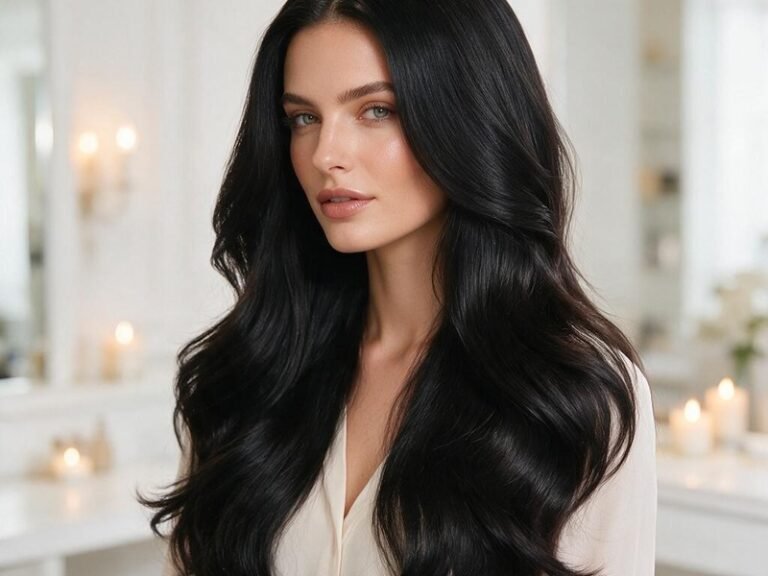
Human hair isn’t plastic, so two bundles labeled #4 or P1b/27 won’t always look identical under every light. One batch may pull slightly ashier, another may have more red in the undertone, and highlighted shades can shift if the lowlight ratio changes even by a small amount. The biggest problems usually show up in blondes, greys, balayage tones, and mixed colors because the eye catches warmth and banding fast. Dark solid shades are more forgiving, but #1, #1B, and #2 can still get mixed up if someone only checks a phone photo at night. Ask yourself: would a client notice if she wore the old bundle and the new bundle in the same install? That’s the standard that matters.
Check the new batch the same way every time
Don’t rely on memory. Compare the new hair directly against your retained standard from the last approved batch, preferably a clean swatch or a small sealed bundle you keep away from sunlight. Use natural daylight from a window first, then check under neutral indoor lighting; warm bulbs can hide ashiness and fluorescent lights can make blondes look greenish. Lay the hair flat in the same direction, then turn the roots and ends around because reflected light changes when cuticles run different ways. If you’re ordering bulk hair for braiding, pull samples from at least three bundles instead of judging the whole batch by the one on top.
The quick bench check we suggest
You don’t need a lab, but you do need a repeatable routine. A simple bench check takes about 10 minutes and can save you from sending 50 mismatched units to customers:
- Place the new sample beside your approved standard on white paper, not wood or a colored table.
- Check roots, midlengths, and ends separately; a slight ombre effect is easy to miss from a distance.
- Fan the hair out so you can see blend ratio, especially for piano, highlight, and balayage shades.
- Compare at arm’s length and close up; one view catches overall tone, the other catches spotty dye.
- Take photos with and without flash, but never make a final decision from photos alone.
- Mark the sample with the shipment date, factory batch, and shade name so repeats are traceable.
- If the difference is debatable, have one other person look without telling her which one is “correct.”
Photos help, but only if you control them
Every week we get messages saying a shade looks wrong, and half the photos are taken in a bathroom with yellow lighting or against a dark towel. That makes it almost impossible to judge whether the issue is real color movement or just the camera. Take photos in daylight near a window, on a white or light-grey background, and include your approved standard in the same frame without a filter. A short video can be even better because it shows movement and shine, but don’t zoom so close that all you see is individual strands. If you’re selling weft hair or tape in hair, photograph the product the way your client will see it after install, not only inside the plastic packaging.
Stop surprises at reorder time
The cheapest fix is setting the shade expectation before production, especially when you’re ordering custom color or repeating a seasonal shade. Keep a physical standard, send it back to the factory for matching when needed, and ask for production photos before the full order ships. This is especially important if you change length, texture, or hair type; the same dye formula can look different on 14-inch straight hair and 26-inch curly hair because of processing and light reflection. If you want a tighter process, our color ring approvals guide walks through locking shades before mass production. Expect a little natural movement, but agree on what’s acceptable before you place the PO.
How much color difference is normal?
A slight shift that disappears when hair is blended into a full install is usually normal, especially in highlighted and fashion shades. If two bundles are clearly different in daylight when placed side by side, or if the undertone changes from neutral to brassy, don’t mix them into one client order. Send comparison photos to your supplier right away and keep the packaging and batch labels intact.
Should I build my own brand color ring?
Yes, if you sell the same shades regularly. A brand color ring gives your team, salon clients, and factory one physical reference instead of depending on phone screens. It also protects your reputation as you add products or move from wholesale into your own labeled line, which is something we cover in this piece on DTC hair extension brand growth.
Before your next reorder, pull your retained standard and inspect the new batch in daylight before anyone installs or ships it. If you’re comparing styles or need product details, review the shop all hair extensions selection and note which shades truly need a physical approval step.
Send Us Your Hair Inquiry
Need bulk pricing, samples, or a private-label quote? Fill in the form and our team will get back to you within one business day.