How to Choose K-Tip Extensions for Salon Clients
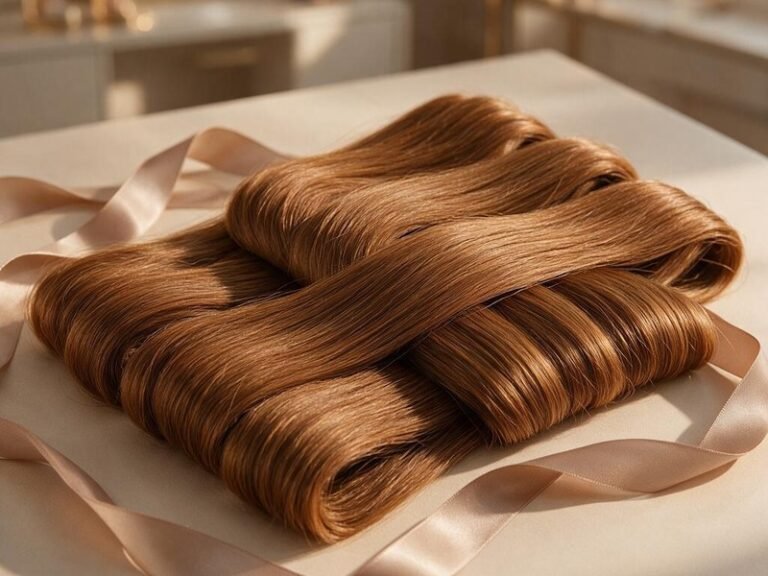
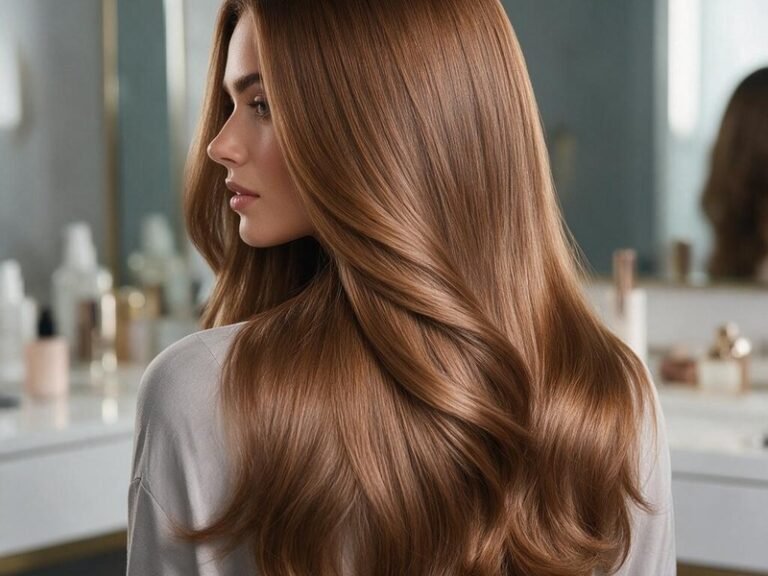
To choose K-tip extensions for salon clients, match the client’s hair density and lifestyle first, then order cuticle-aligned Remy hair in the right grams, color, and texture. K-tip extensions are individual keratin-tipped strands fused with a heat tool, so quality and application both affect how long they last. Get those choices right at the consultation and you’ll avoid most redoes, slippage complaints, and awkward color corrections.
What K-tips do better than tape or wefts
K-tips are ideal for clients who want individual movement and can wear their hair up without a track showing. The small bonds let you fill sparse areas and hold up to heat, pools, and washing. They fit medium or fine hair well, but be cautious with fragile hairlines; a full install can also take two to four hours, and removal needs solvent. If a client wants weekly changes, tape-in hair extensions are simpler; K-tips are better for three months of normal wear.
How many K-tip strands do salon clients actually need?
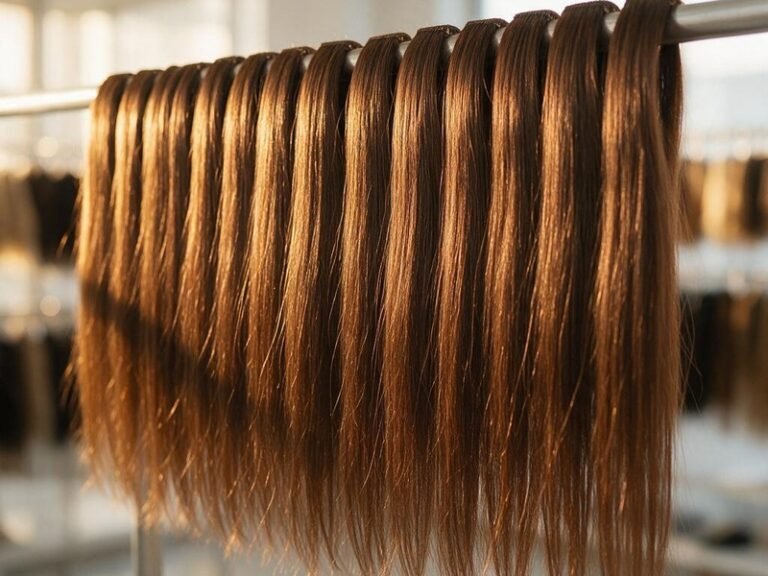
Most full-head installs need 175 to 225 grams, not the 100 grams new buyers guess. Volume only needs 100 to 150 grams; thick hair may need 250 to 300 grams so ends don’t look stringy. Use 0.5-gram bonds on fine hair, 0.8 grams on normal hair, and 1-gram bonds only on coarse, strong hair; that usually means 175 to 250 strands for a full head. Length changes the math too: a 22-inch bond weighs more than a 14-inch bond even if the tips look identical.
What hair quality should you order for K-tip extensions?
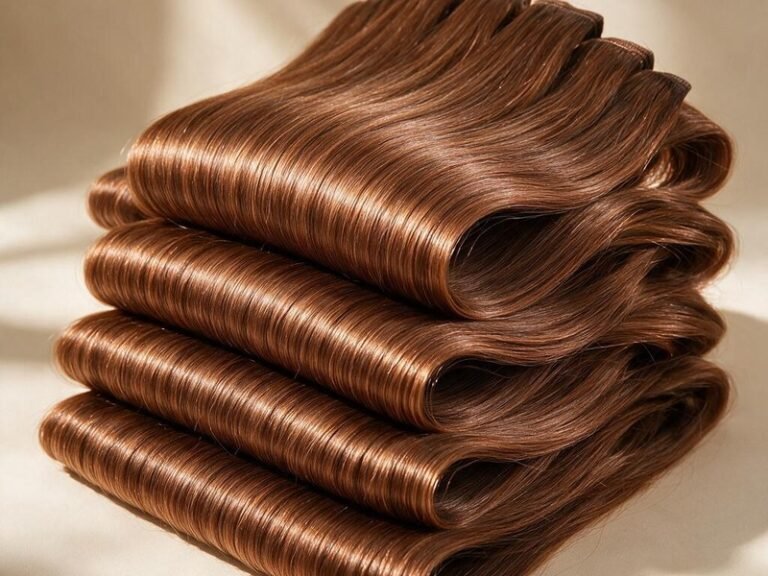
Start with Remy hair, meaning cuticles stay intact and aligned in one direction; cuticle aligned means the outer layer runs root-to-end instead of being stripped and coated. Virgin hair is unprocessed hair that has not been colored or permed; it dyes well but costs more and has fewer natural shades. Cheaper non-Remy K-tips can save 20 to 40 percent up front, but we see them turn dry or matted after a few weeks. For continuous wear, spend on aligned hair—it can last six to twelve months—and this raw hair bundles guide explains the quality tiers.
Color and texture matching is where returns happen
Don’t pick shade from a phone photo; lighting and screens change level and undertone. Use a color ring, match the crown and ends, and decide on solid, highlighted, or rooted color before ordering. For curly and coily hair, match the dry, shrunken curl pattern; 4A to 4C textures usually need thicker bonds and enough weight to blend. Quality human hair can be toned, but over-processing blonde K-tips causes dry bonds; lifestyle questions prevent that, and our salon consultation questions list covers workouts, heat, and budget.
How should salons buy K-tips without overstocking?
Start with a test order in your top shades and lengths, often 14, 18, and 22 inches. Many suppliers have a minimum order quantity, or MOQ, around 100 grams per shade and length, so don’t tie up cash in too many colors. Stock shades often ship in three to seven business days; custom textures or blonde processing can take two to four weeks. Order 10 to 20 grams extra for cuts, face framing, and repairs, then check the current K-tip hair selection for bond weight, stock, and return rules.
Quick FAQ
Do K-tip extensions damage fine hair?
Not if bonds are sized correctly and clients keep up with move-ups. Fine hair should usually start with 0.5-gram bonds, and active breakage should wait or use a lighter method.
How long do K-tip installs last between appointments?
Most clients need removal and reapplication every eight to twelve weeks, depending on growth and oil. Leaving them longer causes matting, so inspect and replace dry or loose tips at each visit.
Reorder based on weight and stock dates, not the cheapest price, and book after hair arrives. Browse shop all hair extensions for current shades and lengths, and keep a color ring ready for consults.
Send Us Your Hair Inquiry
Need bulk pricing, samples, or a private-label quote? Fill in the form and our team will get back to you within one business day.