Sourcing Materials for Hand-Tied Wefts: Bulk Hair Requirements
If you’re making hand-tied wefts for salons or your own extension line, the raw bulk hair decides almost everything: shedding, return rate, curl match, and how cleanly your sewers can work. A lot of buyers ask for “good hair” without giving factory-usable specs, then wonder why the first batch feels different. Here’s what we actually need to know before you place a bulk order for hand-tied production.
Start with the end weft, not the cheapest bundle
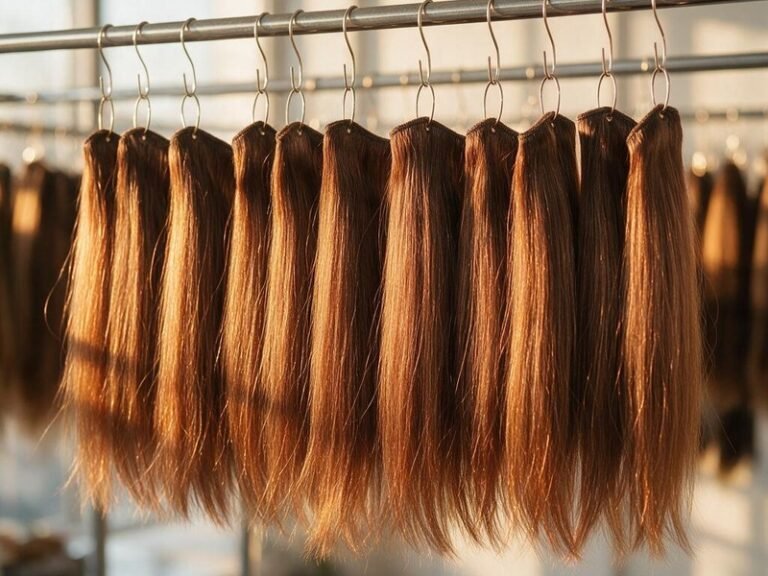
Hand-tied wefts need hair that has been drawn, aligned, and processed with the cuticles running in the same direction. If the hair is mixed head-tail, your weft can matte after washing even when the hair looks silky out of the bag. For a standard salon-grade line, most buyers use 100% remy human hair; if price is the main driver, you can step down, but don’t sell it as the same tier. A typical hand-tied row uses around 25 to 40 grams, and many full installs need 100 to 200 grams depending on density and length. We usually suggest sampling 500 grams first instead of jumping into a 10 kg order.
The bulk hair requirements your sewer cares about
Your sewing team can’t work from a pretty photo. They need consistent hair from the top of the drawn bundle to the ends, with minimal short hairs poking through the tie line. Think through these specs before asking for a quote:
- Length: 14 to 24 inches moves fastest; 26 inches and up costs more and has thinner ends.
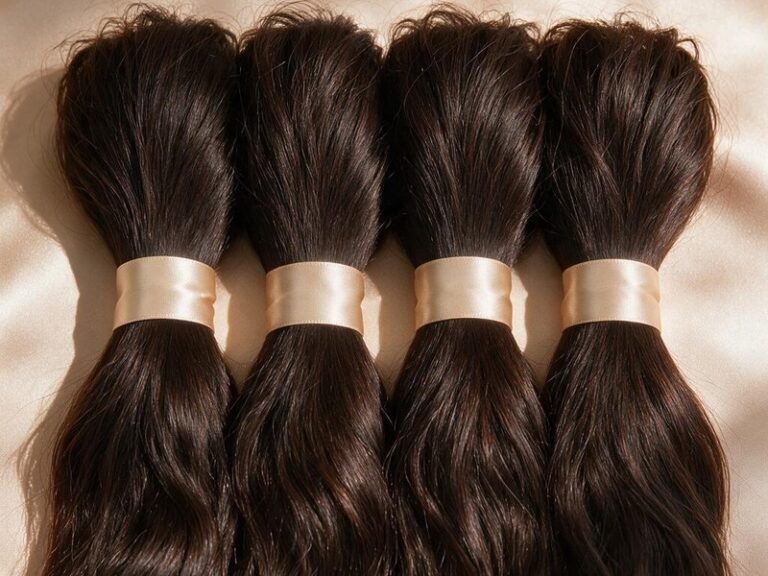
- Weight per bundle: 50g or 100g bulk bundles are easiest to track and assign to sewers.
- Texture: straight, body wave, natural wave, curly, or matched donor curl pattern.
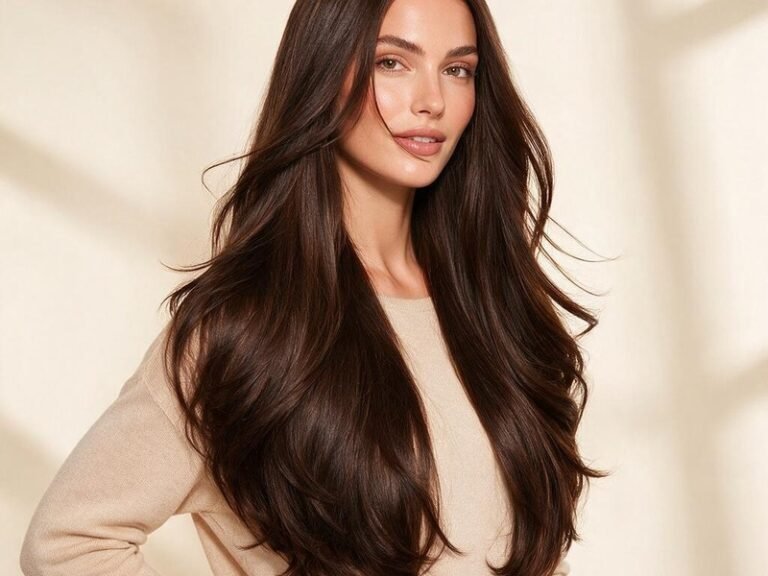
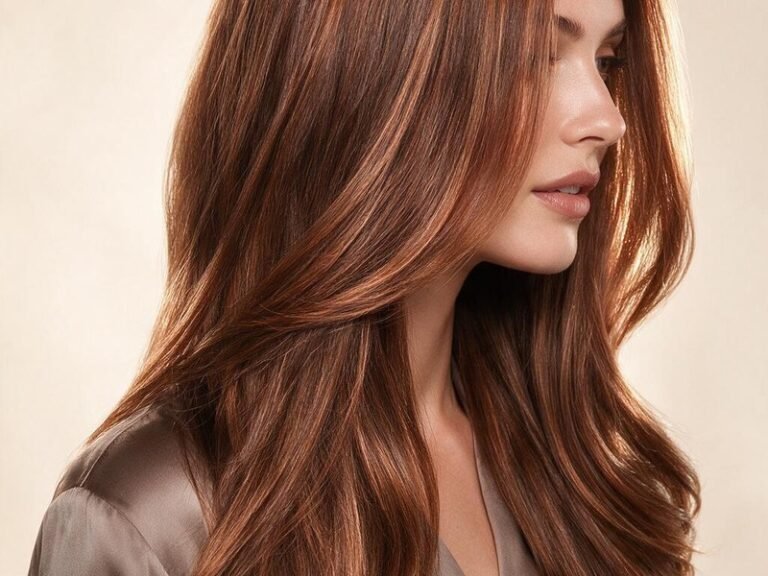
- Color: natural #1B, off-black, browns, blondes, balayage, or custom color rings.
- Hair grade: standard remy, premium cuticle-intact, or raw/virgin hair for higher-priced lines.
- Shorthair ratio: ask for low shorthair content if you want fuller ends and less flyaway at the seam.
- Processing: specify steam-treated curls versus chemically processed texture.
Weight, length, and realistic MOQs
For stock colors and common textures, we can often work with smaller MOQs, but custom hand-tied production usually gets cleaner pricing around 2 to 5 kg per color-length mix. That’s not a number we pull out of the air; below that, sorting, color matching, and quality control become a bigger share of the cost. Expect longer lengths to carry a real premium: 24-inch hair is not just “a few inches more” than 18-inch because donor availability drops and yield gets lower. If you’re comparing quotes, confirm whether the weight includes any moisture or packaging, and remember that a 5 to 10 gram variance is normal in bulk hair. We explain that in this weight tolerance guide because it comes up constantly.
Color and texture matching gets expensive when vague
“Natural black” can look blue-black, brown-black, or warm off-black depending on the batch. Same with “body wave,” which might be a loose salon bend from one supplier and a tighter pattern from another. Send a physical color ring, a clean photo in daylight, or an existing weft you want matched; screenshots under salon lights usually cause rework. Blonde and highlighted hair needs extra attention because overprocessing can make the tied seam dry or brittle. If your line includes curly hand-tied wefts, test the hair after shampooing and air-drying, not just after it’s been steamed and styled for the sample. Buyers doing boho or textured lines can also use this boho braids sourcing guide for texture notes.
Lead times, samples, and testing the finished weft
Stock bulk hair may ship in days, but custom colors, longer lengths, or cuticle-intact textures can take 2 to 5 weeks before production even starts. Once your sewers tie the hair into beads or rows, the product is harder to reverse, so approve a loose sample first. Run it through shampoo, conditioning, brushing, and a light color or toning test if your salons customize installs. Check shedding at the tied seam, return curl after washing, and whether the ends still look full after a few passes. If you’re also comparing finished extension types, our weft hair page gives a useful reference for how the final product is usually sold. Questions on order handling and samples can usually be answered through the FAQ, but custom specs should always go through a direct message.
What is the best hair for hand-tied wefts?
Most salon lines start with cuticle-aligned remy human hair because it gives a manageable balance of softness, durability, and cost. Raw or virgin hair can be excellent for premium lines, but it costs more, has more natural variation, and usually requires tighter quality control.
How much bulk hair do I need for production?
Plan from the finished gram weight first: if each hand-tied row is 30 grams, 1 kg of usable hair gives roughly 33 rows before waste and QC loss. Expect some loss during sorting and tying, so don’t order exactly to the gram if you need a set number of sellable pieces.
Send us your target length, texture, color, finished row weight, and first-order quantity, and we’ll help you spec the bulk hair instead of guessing. If you aren’t sure, start with samples in two quality tiers so your sewers and stylists can compare them before production.
Send Us Your Hair Inquiry
Need bulk pricing, samples, or a private-label quote? Fill in the form and our team will get back to you within one business day.