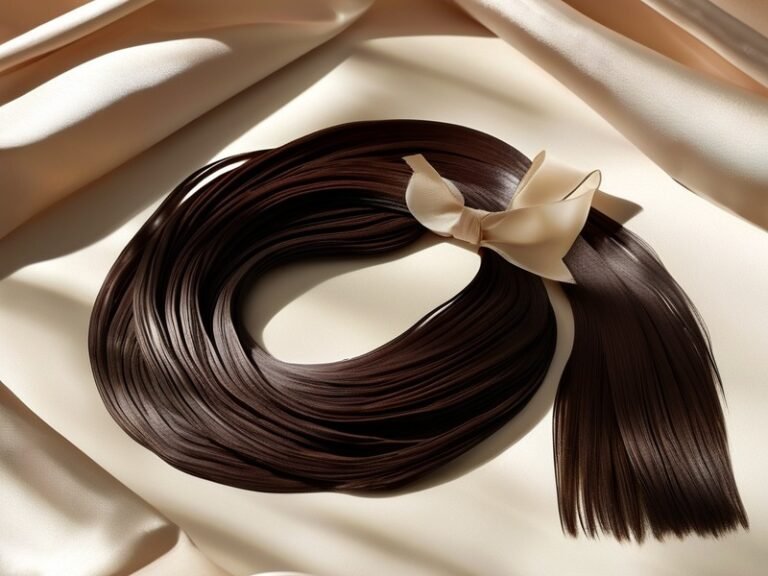
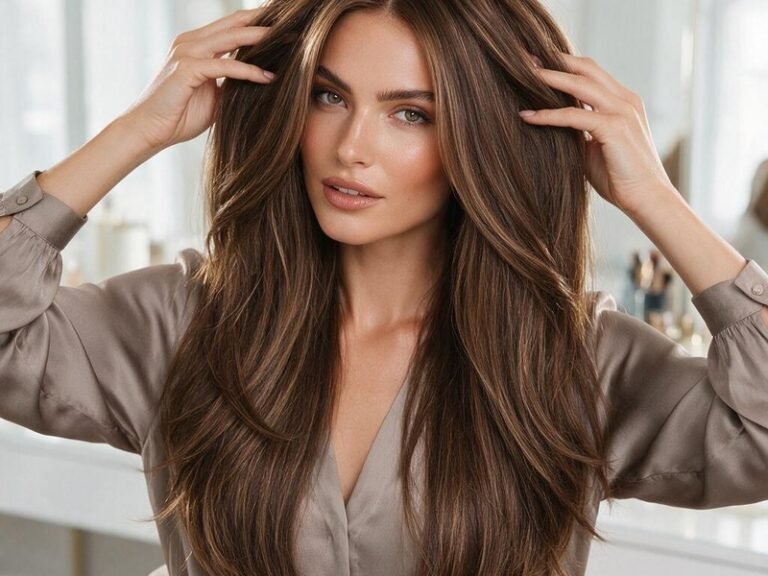
Double Drawn vs Single Drawn Hair: A Complete Guide
Double drawn hair is sorted so most strands match one length, giving thick, blunt ends; single drawn hair keeps natural mixed lengths and tapers thinner at the ends. Most salons should stock both because the choice changes density (how thick the style looks), price, and suitable installs. Here’s how to order the right one.
What double drawn vs single drawn hair really means
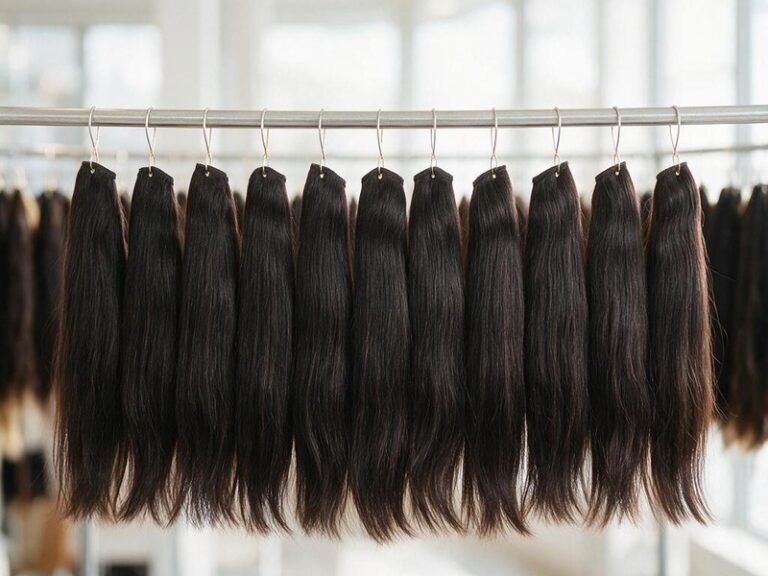
Walk through our warehouse and the difference shows up on the sorting table. Single drawn hair is bundled as it naturally grows—long hairs mixed with shorter fillers, usually 50 to 60 percent full-length strands. Double drawn gets another hand-sorting pass: short hairs are removed and replaced with hairs matching one target length, often 80 to 90 percent. Cuticle aligned means all cuticles run root to tip, so hair tangles less. Neither label automatically means virgin hair, or unprocessed, uncolored hair.
Does double drawn hair actually last longer?
Not by itself. Double drawn stays fuller at the ends, but lifespan depends on donor quality, cuticle alignment, and client care. A good single drawn set can outlast badly processed double drawn. Expect virgin double drawn to last 9 to 14 months; single drawn usually runs 6 to 10 months. It fixes the specific complaint of thin, wispy ends after a couple installs.
How much more does double drawn cost?
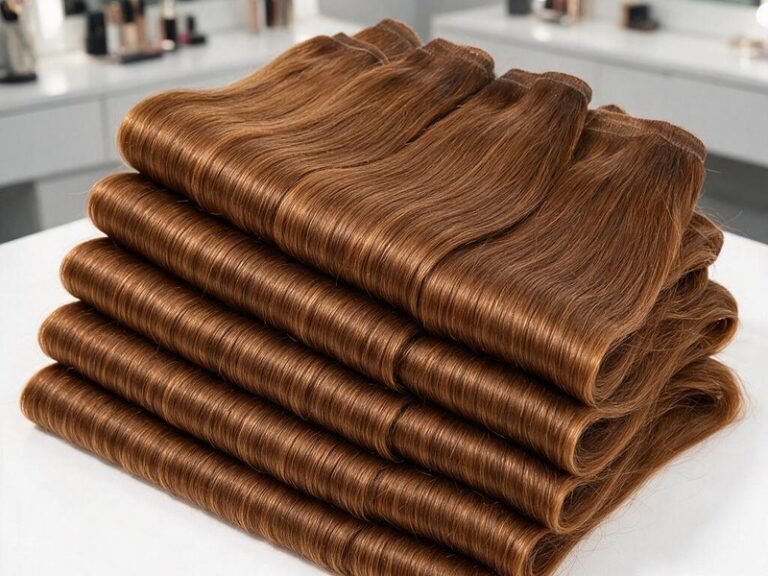
You’re paying for labor and discarded short hair, not magic. On a 100-gram, 18 to 22 inch bundle, double drawn often costs 30 to 60 percent more, and long lengths cost even more. A 100-gram single drawn bundle may offer only 70 to 80 grams of visible fullness, while double drawn feels close to its weight end to end. For a sew-in, three single drawn bundles can equal two double drawn bundles at 20 inches or longer. We explain this more in our double drawn meaning guide.
Which one should you stock?
- Single drawn suits clients wanting natural layers and a lower ticket.
- Double drawn is better for blunt cuts, bob wigs, and thick ends.
- Keep single drawn in 10 to 16 inch styles and bulk hair for braiding, where taper blends in.
- Stock double drawn in 20 to 30 inch bundles; long single drawn can look stringy.
- Tape-in extensions usually look better double drawn because each piece needs density.
- Offer single drawn as standard and double drawn as an upgrade if margins are tight.
How to catch a relabeled bundle
Ask for weight and the percentage of full-length hairs, not just a label. A true 100-gram double drawn bundle should feel thick end to end, not taper to a point when held upright. Some factories sell coated or heavily brushed “double drawn” hair that sheds after one wash. Sample first, compare two bundles side by side, and check before committing to an MOQ, or minimum order quantity—usually 50 to 100 pieces per length for custom orders. Our list of common ordering mistakes works as a quick checklist.
Quick questions from buyers
Is double drawn hair thicker than single drawn?
Yes, especially at the ends. Both can weigh 100 grams, but double drawn places more hair through the lengths, so the style looks fuller. Single drawn carries more short hairs near the top and tapers naturally.
Can I get double drawn bulk hair for braiding?
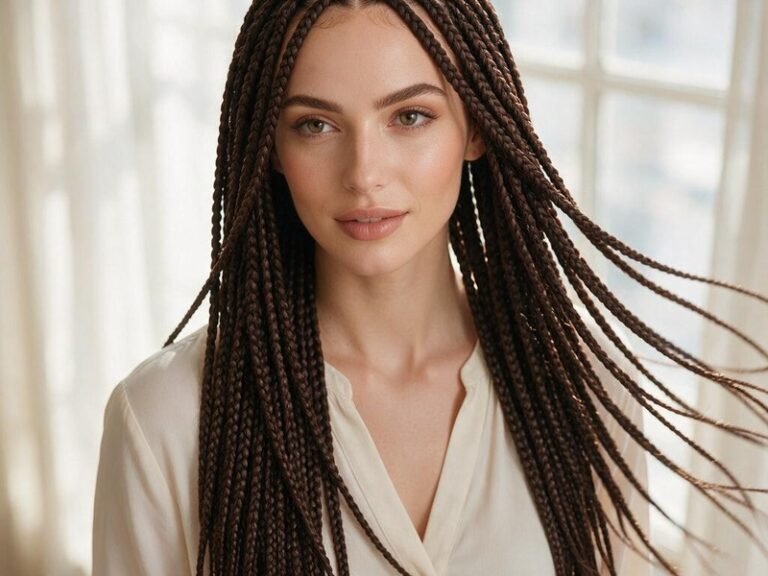
Yes, and it’s popular for knotless and boho styles where clients want curls that don’t thin at the ends. It costs more, so many braiders use it only on visible ends or mix it with single drawn. Test a sample under braiding tension before stocking a full range.
If you’re unsure, sample both grades in the length your clients buy most. Compare weights and textures in the hair extensions shop before placing a larger order.
Send Us Your Hair Inquiry
Need bulk pricing, samples, or a private-label quote? Fill in the form and our team will get back to you within one business day.