Double Drawn Hair vs Single Drawn Hair: Expert Tips & Common Mistakes
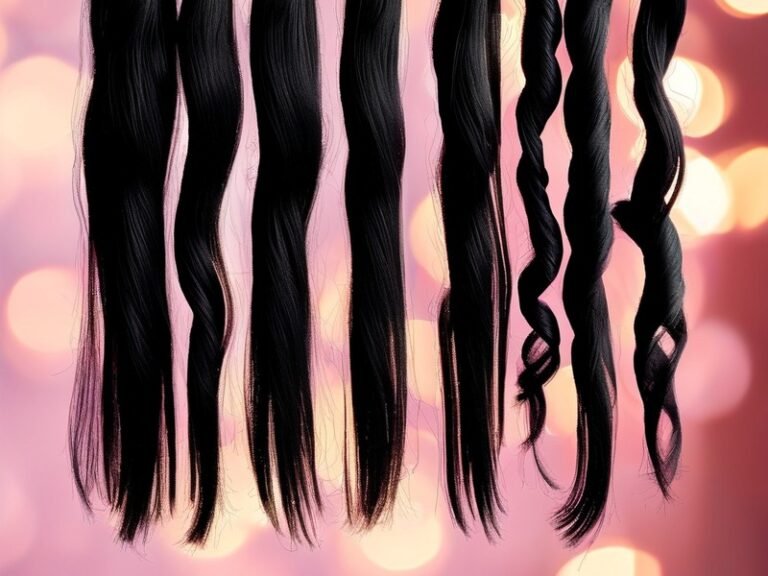
Double drawn hair is sorted so most strands are close to one length, making a bundle thick from roots to ends. Single drawn keeps natural mixed lengths and tapers toward the ends, usually for less money. Most salons use double drawn for blunt fullness and single drawn for natural volume on a budget.
What’s the real difference between single and double drawn hair?
Single drawn is the less-handled grade. It still has a mix of longer and shorter strands, so a 100g bundle feels fuller near the top and thinner through the last few inches. That isn’t defective; it’s how real hair grows. Double drawn gets another round of hand sorting to remove much of the shorter hair, so it stays thick almost to the ends.
Why you’ll pay more for thick ends
That extra sorting costs real money. A standard 100g weft hair bundle—a weft is hair sewn into a track for sew-ins—can run 20–40% more at the same length and origin. At 24 inches and longer, the gap widens because long strands are rarer and sorting waste is higher. Single drawn leaves room for entry-level pricing, but your stylists may need extra bundles to compensate for thin ends.
How many bundles or grams do I need for a full head?
For a sew-in with 100g bundles, use three from 10–18 inches and four past 20–22 inches. Double drawn can sometimes reduce that by one bundle because the ends are dense, but don’t assume it for every client. A blunt 24-inch bob or a client with a larger head can still need 300–400g. Tape-ins usually come in 50g packs; 100–150g is normal for fine hair, and thick hair past 22 inches often needs 200g. For bulk hair for braiding, knotless styles usually take 100–200g depending on size and length.
The mistakes that get buyers stuck with dead stock
Mistakes start when buyers treat thickness as quality. I’ve seen vendors order double drawn in 28 inches, then get surprised by the price and blunt, heavy feel. Double drawn isn’t automatically better; a badly processed bundle can tangle faster than clean single drawn, and cuticle aligned—meaning strands all run root to tip—matters more than length grade. If processed hair feels dry, closing the cuticle with an acidic rinse can reduce friction, but it won’t save poor donor hair. Don’t sell single drawn with photos of super-thick ends; show the real taper in natural light.
How to choose for your store or salon
For most new vendors, I’d stock both grades instead of betting on one. Carry single drawn in 12–18 inches for price-sensitive clients and double drawn in 16–24 inches for bobs and full sew-ins. Minimum order quantities, usually called MOQs, often start around 50 pieces for custom labels; stock may ship in 3–7 days, while private-label runs take 15–30 days. Order samples first, feel the dry ends, and wash one to check shedding. If your clients prefer soft, natural movement, skip the upgrade and spend the margin on better cuticle quality.
FAQ
Is double drawn hair the same as virgin hair?
No. Virgin hair means hair that has not been permed, dyed, or otherwise processed, while double drawn describes only how strands were sorted by length. You can buy double drawn virgin hair, but not every double-drawn bundle is virgin.
Will double drawn hair reduce the number of bundles?
It helps with density, especially at the ends, but head size, leave-out, cut, and length still determine total grams. A blunt bob may use less, while a long, full style often still needs 300–400g.
Pick the grade that fits the style and price point, then test samples before buying stock. You can shop all hair extensions to compare weights and lengths before messaging the sales team.
Send Us Your Hair Inquiry
Need bulk pricing, samples, or a private-label quote? Fill in the form and our team will get back to you within one business day.