Double Drawn Hair Meaning: Pros, Cons & Care Tips
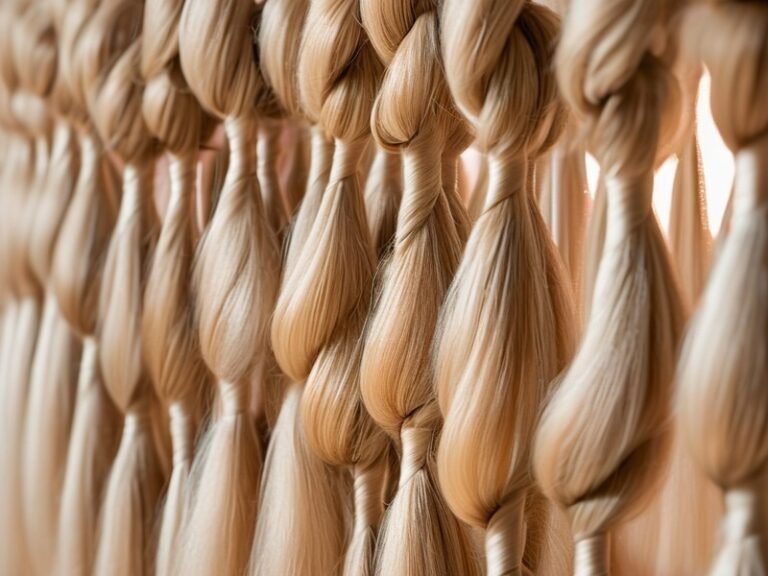
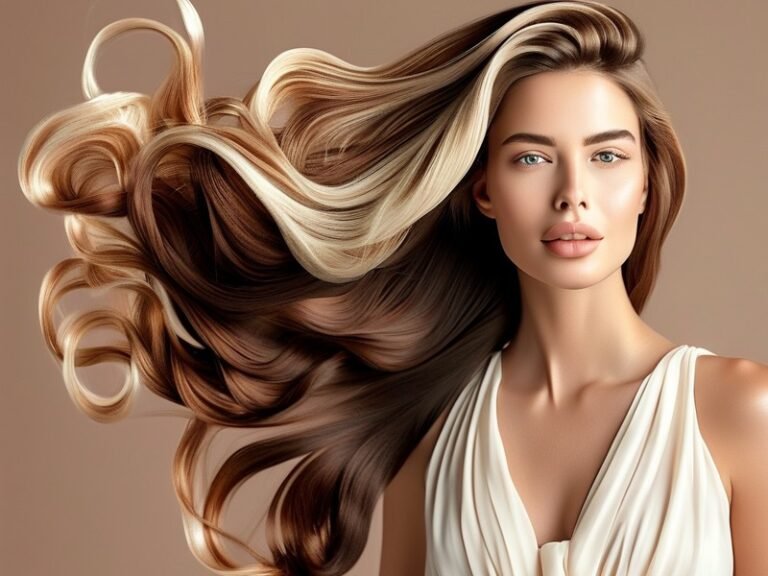
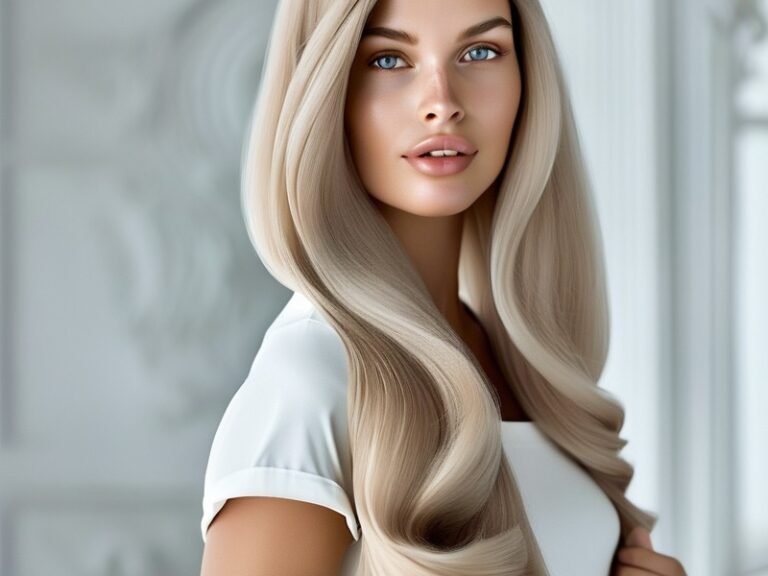
Double drawn hair is human hair sorted so most strands are nearly the same length, giving bundles a thick, blunt end instead of a wispy taper. It costs more because workers remove shorter hairs, and it looks fuller from root to tip. Here’s what to know before you order.
What does double drawn hair actually mean?
Most hair starts as single drawn, meaning a bundle has the labeled length plus shorter filler hairs. Those short strands create a natural taper and thinner ends. For double drawn stock, workers remove shorter hairs and regroup strands within about a 1-to-2-inch range. A typical 100-gram bundle then stays dense closer to the ends, which is why pricing moves up.
Is double drawn hair the same as virgin or Remy hair?
No. Virgin hair means unprocessed hair, while Remy means cuticles—the hair’s outer scales—run the same direction to reduce tangling. Double drawn only describes length sorting, not chemistry or quality. You can find double drawn virgin, Remy, or processed hair, so the label alone doesn’t prove premium stock. Ask about aligned cuticles, processing, and the percentage of hairs that reach the finished length.
Why buyers pay extra for it
- It gives sew-ins a fuller finish with fewer bundles at 18 inches or longer.
- Blunt cuts, bobs, and thick braids benefit from dense, even ends.
- Braiders using bulk hair for braiding get cleaner hanging length.
- It reduces the see-through, stringy look that can spoil photos.
- Resellers get an upgrade clients can actually see and compare.
Does double drawn hair have any downsides?
The biggest tradeoff is cost, usually 20 to 40 percent above comparable single drawn hair, with custom orders often taking 7 to 15 days. It’s denser and heavier, so some clients find 22-inch installs hot or bulky. Bad factories may hide damaged cuticles with silicone, then the hair tangles after two or three washes; “double drawn” is also mislabeled online. If you’re buying machine weft hair (stitched tracks for sew-ins), request end photos and samples before a typical 50-piece MOQ.
How do you keep double drawn hair looking full?
Detangle from the ends up before washing, since dense ends knot faster than tapered ones. Shampoo in lukewarm water with a sulfate-free formula, condition mid-lengths and ends, and don’t scrub or twist the weft. Air dry when you can, keep heat around 300 to 350°F, and avoid heavy grease that attracts lint. Our raw hair care guide has more detail for unprocessed textures.
How many bundles do I need for a full sew-in?
Plan on two to three bundles for 12 to 16 inches and three to four for 18 to 24 inches. Use the higher count for a blunt finish, a larger head, or a closure—a small lace or silk piece that replaces leave-out.
Is double drawn hair worth the extra cost?
It pays off if your client wants visible thickness and even ends. Skip it for someone who wants a soft natural taper or only needs hair for one event.
If you’re stocking a salon or store, shop hair extensions and compare length, weight, and return terms before buying bulk. Ask suppliers for end photos and sample bundles; that one step prevents most ordering mistakes.
Send Us Your Hair Inquiry
Need bulk pricing, samples, or a private-label quote? Fill in the form and our team will get back to you within one business day.