Deep Wave vs Body Wave: Step by Step Guide
Deep wave has tighter, defined spiral curls; body wave has looser S-shaped bends that brush out more easily. Salons stock both because deep wave sells a polished curl look, while body wave is the safer everyday choice. Here’s how to pick without overordering.
What is the difference between deep wave and body wave?
The main difference is curl diameter and processing. Deep wave usually has a 20–30 mm curl from root to end, while body wave is a 25–40 mm soft S bend. Both can be virgin hair, meaning unprocessed human hair, or Remy hair, meaning cuticles face one direction to reduce tangling. Cheaper curls are set with harsh steam or acid, so deep wave can dry out faster. A good deep wave sample springs back; body wave moves in loose waves instead of ringlets.
Which texture holds curls and takes color better?
Deep wave holds its factory curl better after washing, but it can frizz with rough shampoo or heavy oil. Body wave often drops into a softer wave after one wash, which some clients mistake for straight hair. For color, body wave is more forgiving; deep wave needs lower-volume developer and extra conditioning because the curl was already shaped. Going lighter than a #4 can add 10–20% more dryness in deep wave. Don’t bleach either texture to platinum if you plan to resell it.
How many bundles do I need for a full sew-in?
With 100-gram bundles, most sew-ins need two bundles for 10–14 inches, three for 16–22 inches, and four for 24 inches or longer. Deep wave looks dense because curls stack, but it also looks shorter when it springs up. Body wave lies flatter, so it may need another bundle for fullness. A closure, a small lace piece that covers the leave-out at the top, can reduce the order by one bundle. A frontal runs ear to ear and doesn’t reduce bundle count as much.
Run these checks before placing a wholesale order
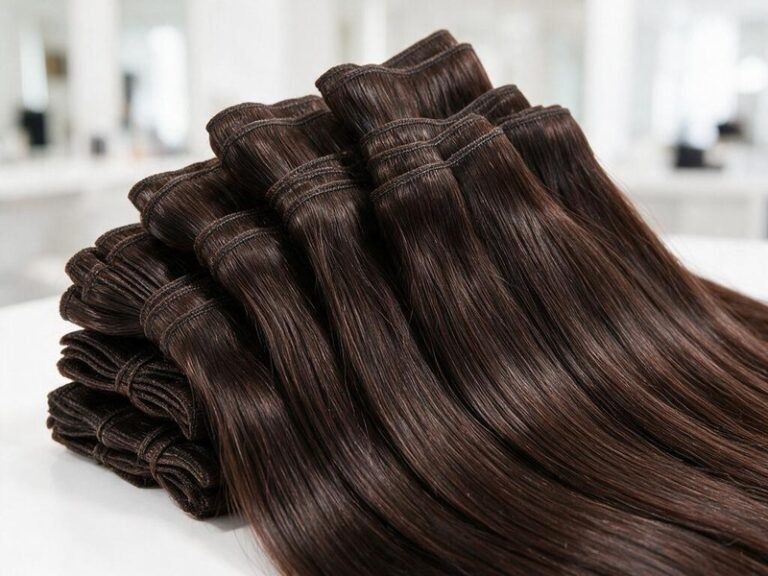
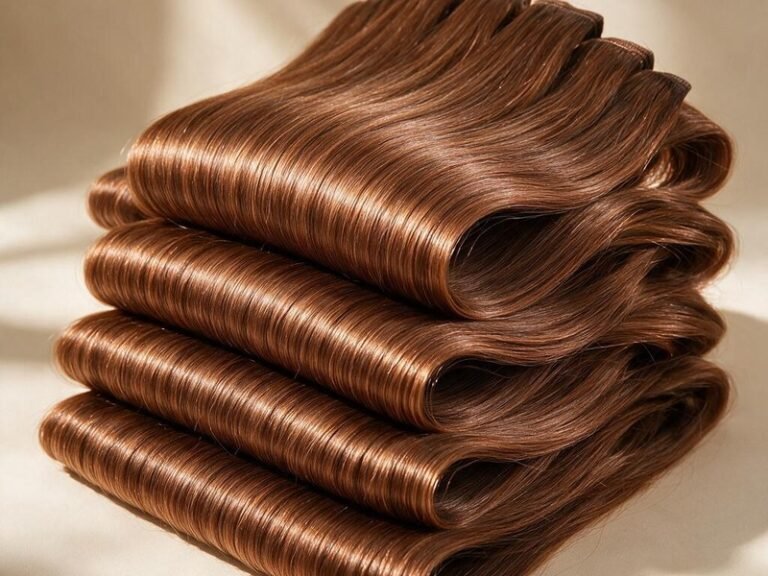
Ask if it is cuticle aligned, meaning all hairs run root to tip so they don’t rub and tangle. Run fingers up and down the shaft; upward should catch slightly but not feel rough or squeaky. Check the weft—the stitched track used for sew-ins—for tight stitching and low shedding, especially if you’re buying machine weft hair. Smell it; a strong chemical smell usually means a rushed curl set and future frizz. This deep-wave bulk checklist covers the same checks our warehouse team uses.
Pricing, MOQs, and lead times buyers actually see
Body wave is usually 8–15% cheaper because it’s made in larger batches and hides minor texture variation. Wholesale minimum order quantities, or MOQs, often start at 10–50 pieces, but custom labels or colored stock can require 100 or more. Stock wefts may ship in 3–7 days; custom curl or packaging adds 15–30 days. If you sell bulk hair for braiding, test one sample in each texture before a big order. Our wholesale wave guide also compares water wave, which buyers often confuse with deep wave.
Quick buyer questions
Does deep wave or body wave last longer?
With equal quality, body wave often lasts a bit longer because its texture set is gentler. Deep wave can also last 1–2 years with proper care, but it’s less forgiving of bleach, heat, and rough brushing. Wash a sample twice before buying a large batch.
Can I straighten deep wave and bring the curls back?
You can straighten quality human hair, but frequent flat-ironing loosens either pattern over time. Body wave usually returns to a soft wave after washing; deep wave may need flexi rods to look defined again. Set that expectation before the sale to avoid returns.
Order samples in 16-inch and 22-inch so your stylists can feel both patterns after washing. Then shop all hair extensions or send us your target price point and length mix.
Send Us Your Hair Inquiry
Need bulk pricing, samples, or a private-label quote? Fill in the form and our team will get back to you within one business day.