Clip in Hair Extensions Colorful: A Complete Buyer’s Guide
Yes, colorful clip in hair extensions can sell well when they are made with good hair, clean wefts, secure clips, and shades that match real client demand. The key for B2B buyers is to treat them like a color product, not just a novelty item: choose wearable pieces, control quality, and order the right mix for your salon or store.
Clip in extensions are temporary wefts—hair sewn onto fabric bands with small pressure-sensitive clips—that snap into a client’s own hair. A colorful set may mean pastel pink, lavender, blue, green, red, orange, money-piece highlights, peekaboo panels, or festival streaks. This guide walks through hair type, color choices, weights, construction, MOQs, lead times, and the mistakes that cause returns.
What Are Colorful Clip In Hair Extensions?
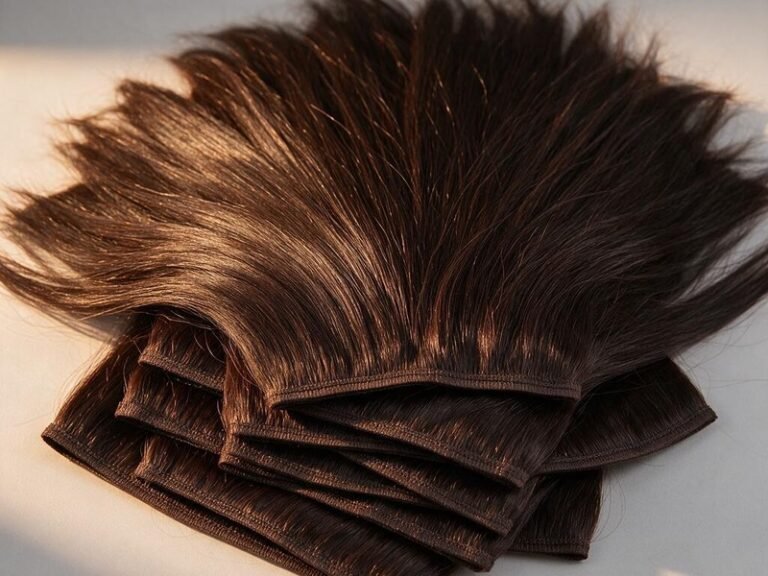
Colorful clip in hair extensions are temporary pieces that add bold or fashion color without chemically changing the client’s natural hair. Most retail sets include several wefts in different widths so a stylist can place color around the face, underneath the top layer, near the ears, or through the back. A weft is the stitched horizontal track that holds the hair together; clips are attached along the track.
For salon and resale buyers, these products usually fall into two categories. One is a full colored set, where most or all pieces are pink, purple, blue, red, or another fashion shade. The other is an accent set, which may include one or two narrow pieces for peekaboo color, face-framing streaks, braid inserts, or weekend styles. Accent pieces often carry less inventory risk because clients can wear them with many base colors.
The term virgin hair means unprocessed hair that has not been chemically treated, colored, permed, or relaxed. Most bright fashion colors cannot honestly be sold as virgin because the hair must be lifted and dyed to become pink, blue, or lavender. Remy hair means the hairs are gathered with cuticles running in the same general direction, which reduces tangling; raw hair usually refers to minimally processed donor hair, but bright raw-hair clip ins should be questioned unless the supplier clearly explains the dyeing process.
Cuticle aligned means the hair cuticles face the same direction from root to tip. That matters even more with vivid shades because bleaching and depositing fashion color can make hair drier if processing is rushed. Ask suppliers whether colored clip ins are cuticle aligned after dyeing, not merely labeled Remy before processing.
Are Colorful Clip Ins Human Hair or Synthetic?
Both exist, and each has a place. Human hair colorful clip ins can usually be heat styled, washed, blended, and sometimes recolored depending on how they were processed. Synthetic versions are cheaper and often hold vivid colors well, but they cannot safely take high heat, may shine differently from real hair, and tend to have a shorter wearable life.
If your customers are salon clients, bridal guests, content creators, or people who want color to blend with natural or relaxed hair, human hair is usually the safer inventory choice. It looks more natural, moves better, and gives stylists more finishing options. If your market is festival one-time wear, costume shops, kids’ accessories, or very low price points, synthetic can work, but label it clearly so buyers do not expect the same styling and wash performance.
A practical middle option is heat-resistant synthetic accent pieces. These can handle low or medium heat on some approved tools, but heat tolerance varies by factory, so you need written care limits. Never mix synthetic and human hair claims in the same listing. Customers who buy based on a “human hair feel” phrase may still assume the product is real human hair.
For wholesale, request a sample before placing a large colored order. Run your fingers from top to bottom and then lightly back up the strand. Cuticle-aligned human hair should feel smoother downward and only slightly resistant upward, without severe tangling. A burn test can help distinguish material, but it is not enough by itself because blends can be misleading; factory documentation and consistent samples matter too.
Which Colorful Shades Should Salons and Stores Stock?
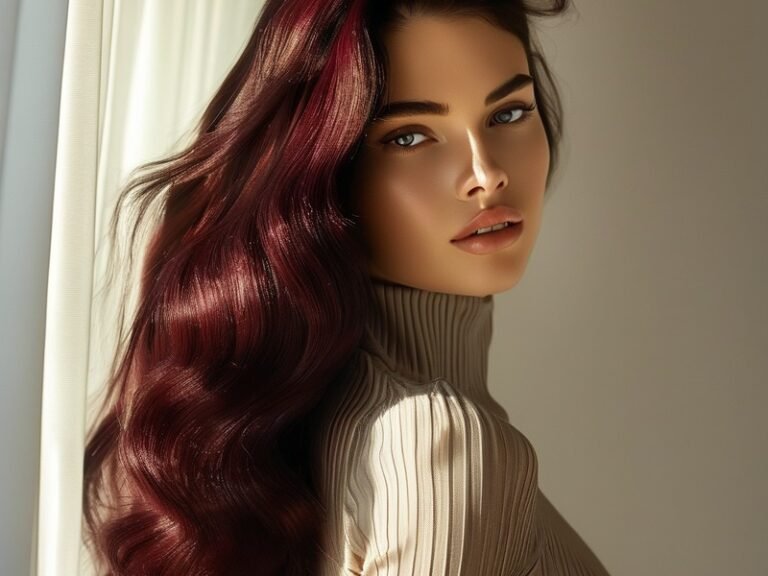
The best-selling colorful clip in shades are usually not the hardest colors to wear. Soft rose pink, lavender, ash blue, burgundy, auburn red, honey-blonde highlights, and natural money-piece tones often move more steadily than neon yellow or extreme green. That does not mean neons do not sell—they do around Halloween, festivals, Pride events, concerts, and school breaks—but demand can be seasonal.
- Everyday accents: rose pink, lavender, burgundy, caramel, honey blonde, chestnut highlights.
- Bold retail shades: cobalt blue, emerald green, violet, fire red, orange, magenta.
- Trend pieces: money-piece clips, peekaboo panels, underlights, temporary bang streaks.
- Seasonal shades: pastel pink for spring, coral for summer, orange and purple for fall, red and green for winter events.
- Dark-hair friendly tones: jewel tones show up more clearly on dark bases without requiring the client to lift her own hair.
- Light-hair friendly tones: pastel pinks, lilacs, baby blues, and pearl shades blend more naturally with blonde bases.
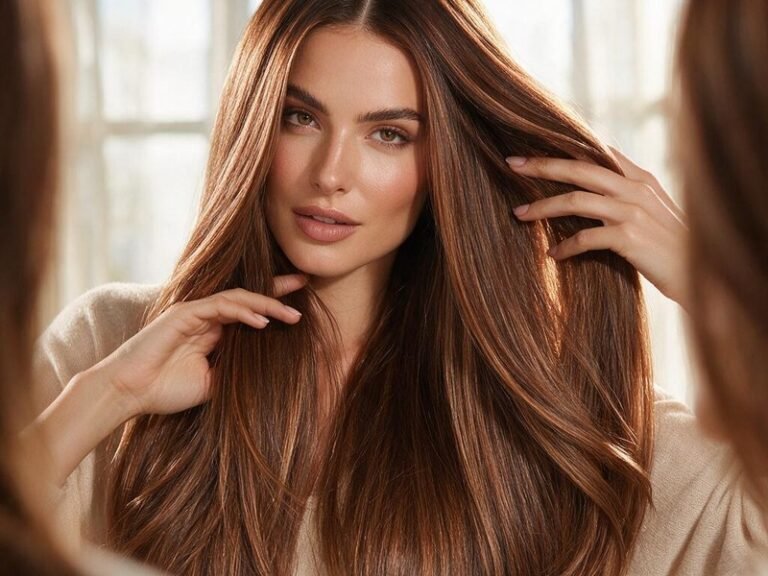
- Neutral moneymakers: platinum, dirty blonde, ash brown, and black-brown accent pieces can sell outside fashion-color seasons.
Clients with dark hair often ask whether bright clip ins will show up. Jewel tones such as sapphire, plum, burgundy, and emerald usually read clearly against dark brown or black hair. Pastels can look subtler, especially if the client’s hair is thick and the clip piece is narrow. If you sell pastels to dark-hair clients, show photos on dark bases, not only blonde models.
For a first wholesale order, keep the color ladder narrow. A sensible trial might be six to eight accent shades and three to four fuller sets, rather than twenty colors in every length. Reorder based on sell-through, social requests, and salon consultation notes. A supplier with a reasonable MOQ, or minimum order quantity, helps you test shades without sitting on dead stock.
How Many Grams and Pieces Do Clients Need?
Clip in weight is measured in grams, and the right amount depends on hair length, thickness, desired volume, and whether the set is meant for full color or accents. A small accent piece may be 5 to 20 grams. A partial styling set can be 40 to 70 grams. A standard full-head clip in set often runs 100 to 150 grams, while clients with very thick or long hair may need 160 to 220 grams.
Do not market a 60-gram set as full-head volume for shoulder-length or thick hair. That weight can add color and some dimension, but it will not create a dense, full finish. For a client with fine hair at chin or shoulder length, 80 to 110 grams may be plenty. A client with medium-density hair around 16 to 20 inches may prefer 120 to 160 grams. Clients adding length past their natural hair may need more pieces to hide shorter layers.
Set construction matters as much as total grams. Common sets include one wide weft for the back, several medium wefts for layering, and narrow pieces near the temples or sides. Some factories sell 7-piece, 9-piece, 10-piece, or 12-piece sets. More pieces do not automatically mean better value; check total weight, weft width, hair length, clip count, and whether the pieces fit common head sizes.
Color placement often needs less hair than clients expect. Two 10-gram pink or blue pieces can create a strong peekaboo effect when placed under a layer. A money-piece look may need two narrow face-framing clips. A full pastel fantasy look, by contrast, may require a complete set and some custom cutting by a stylist. Train your sales team or salon front desk to ask about length, density, and desired boldness before recommending grams.
Human Hair Quality: What Buyers Should Actually Check
Labels such as “Remy,” “100% human hair,” and “premium” are easy to print, so wholesale buyers should inspect the product itself. Start with tangling. Gently brush the hair, hold the weft loosely, and see whether the ends knot after light handling. Some shedding near the seam is normal in a new set, but clumps of hair coming out after one brush are not.
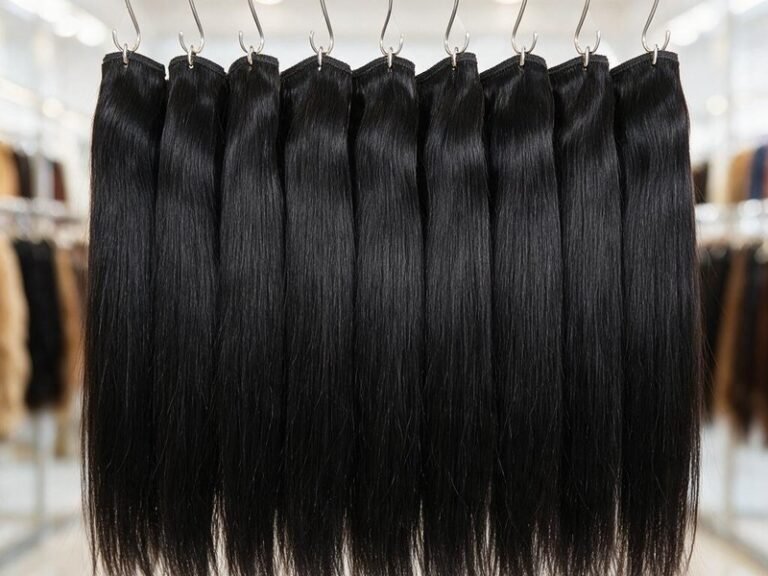
Check the weft. It should be evenly stitched, flat enough to lie against the head, and securely sealed where needed. Bulky wefts can create ridges, especially in fine hair. Loose stitching, crooked clips, exposed thread, weak silicone backing, or hair turning back into the seam will cause complaints. Ask whether the weft is machine-made, hand-tied, or a hybrid construction, because that affects bulk, price, and durability.
Inspect the clips themselves. Cheap clips can bend, lose tension, scratch the scalp, or pop open during wear. Good clips have a firm snap, rounded teeth, silicone or rubber backing to help grip, and secure attachment to the weft. For clients with fine hair, too much clip pressure can cause discomfort; for thick or coily hair, weak clips may slide. Matching clip type to your customer base matters.
Color processing can reveal quality problems quickly. After lifting and dyeing, lower-grade hair may become dry, frizzy, stringy, or prone to matting. Ask suppliers how long fashion colors are expected to last with normal washing, whether shades are dyed all the way to the tips, and whether the hair can be toned or recolored. Human hair fashion shades will still fade, especially pinks, lavenders, and blues, so set honest expectations instead of promising permanent vibrancy.
How Are Colorful Clip Ins Installed and Styled?
An install means attaching the extensions into the client’s hair. Clip in installation is temporary and usually does not require glue, heat bonds, braids, or sewing. The stylist sections the hair, teases or roots the natural hair slightly near the scalp for grip, snaps the clip closed close to the root, and lets the top layer cover the track.
The client’s hair should be clean, dry, and free of heavy conditioner near the roots where the clips sit. If the hair is too silky or slippery, a little backcombing or light hairspray at the root can help the clips hold. Stylists should avoid clipping directly over sensitive hairlines or placing too much weight on one small section. Most clients can learn to put accent pieces in at home, but a professional cut and blend makes the result look much cleaner.
Human hair clip ins can usually be curled, straightened, or blow-dried, but fashion-colored hair needs lower heat than unprocessed hair. Recommend a heat protectant and a starting temperature around 270 to 320 degrees Fahrenheit, increasing only if needed. Very hot tools can dry the ends, shorten the life of the color, and shorten the lifespan of the piece. Always style on dry hair and avoid clamping directly near the weft or clips.
For blending, the extension length should be close to the client’s natural length or only slightly longer unless the style is intentionally dramatic. Long 22- to 26-inch pieces on someone with layered shoulder-length hair need shaping so the top layer does not reveal a shelf. A stylist can slide-cut or point-cut the extensions while they are in, but they should cut conservatively because the hair cannot be added back.
How Should Clients Wash and Care for Colored Clip Ins?
Colorful clip ins should be washed less often than the client’s everyday hair. After every few wears, or when product builds up, gently brush from ends upward and wash with lukewarm water and a sulfate-free shampoo or extension-safe cleanser. Do not scrub the weft aggressively. Rinse, apply moisturizing conditioner from mid-length to ends, avoid soaking the clips and seam unnecessarily, and rinse thoroughly.
Let the pieces air dry flat on a clean towel. Blow-drying every wear adds stress, especially to heavily lifted fashion colors. Once dry, store them laid flat or hung in a dry place away from sunlight, because extended sun exposure can fade pinks, blues, and purples. Clients should not sleep, swim, shower, or exercise in clip ins unless they accept more tangling and shorter wear life.
Brushing matters. Clients should hold the weft near the seam while brushing the ends to reduce pulling. A loop brush or wide-tooth comb is safer than ripping through tangles with a narrow brush. Remind them not to use heavy oils directly on the clips, because oil can make the backing slippery and weaken grip. A small amount of leave-in product on the ends is usually enough.
Pastel shades need the most maintenance. They can pick up tan, bronze, or muddy tones from self-tanner, makeup, dark towels, and heavily pigmented styling products. Recommend light-colored towels and clean hands. Bright reds, blues, and greens may release a little excess dye during the first wash, which is why suppliers should rinse or set color properly before shipment.
What Are Common Wholesale Ordering Mistakes?
The biggest mistake is choosing the cheapest factory sample and assuming bulk production will match it. Hair extension quality can vary by batch, especially with colored stock. Approve a sealed sample, confirm the color number or swatch, and ask whether production will be made-to-order or pulled from ready stock. If exact color matching matters, use physical swatches rather than phone photos alone.
Another mistake is overbuying extreme shades before testing demand. Neon and fantasy colors photograph beautifully, but they may not sell consistently in every market. Start with accent pieces, best-selling jewel tones, and a few seasonal statement colors. Track sales by length and shade, then repeat winners. MOQs for stock colors may start around 50 to 100 pieces with some suppliers, while custom colors may require 100 pieces or more per shade.
Lead times need a buffer, too. Ready-to-ship colored clip ins may move in 3 to 7 business days, while custom colors, private labels, special lengths, or branded packaging can take 2 to 6 weeks depending on the factory and order size. Holiday seasons can add delays. If you are planning a festival, back-to-school, or Halloween promotion, confirm dyeing, packaging, quality inspection, and shipping timelines early.
Poor product education also drives returns. Your listing should state material, total grams, number of pieces, widths, lengths, clip count, care limits, and whether the color works visibly on dark hair. Include realistic photos in natural light. If a pastel looks pale against dark brown hair, say so. Clients return fewer products when they understand the difference between a subtle accent and a full vivid transformation.
How Do You Compare Supplier Quotes Without Sacrificing Quality?
Compare quotes using the full specification, not price per set alone. Two suppliers may both quote a pink clip in set, but one may use 100 grams of processed short hair with thin ends and weak clips, while the other uses 120 grams of longer-selected cuticle-aligned hair with reinforced stitching. Ask for weight by length, hair origin if claimed, material grade, processing method, weft type, clip quality, packaging, and after-sale policy.
Be cautious with claims that sound too clean. A supplier calling neon blue hair “virgin unprocessed” is not being precise, because vivid blue requires processing. A trustworthy supplier should explain that the base hair may be cuticle-aligned human hair, then lifted and dyed to the target fashion shade. That distinction protects your brand and helps you explain quality to customers.
Ask about batch consistency. Fashion colors can shift because dyeing depends on the base hair, lift level, water, processing time, and toner. Will the supplier reserve matching stock if you plan to reorder? Can they make the same shade from a color code? Do they photograph bulk orders before shipment? Those details matter when customers reorder their favorite pink or blue shade and expect it to match.
Finally, inspect packaging and labeling. Clip sets should be separated neatly, kept dry, and protected from friction during shipping. Private-label cards, hangtags, satin bags, and custom boxes improve presentation, but they also add cost and lead time. For a first test order, simple clean packaging with accurate labels may be smarter than paying for elaborate custom boxes before you know which colors sell.
Frequently Asked Questions
Can colorful clip in hair extensions be dyed again?
Some human hair clip ins can be toned or darkened, but lifting them from one bright shade to another is risky because the hair has already been processed. Pastels may be adjusted with semi-permanent toner, while blues, greens, and reds can leave stubborn undertones. Always test one small piece before applying color to the full set.
How long do colored human hair clip ins last?
With occasional wear and careful washing, a well-made human hair clip in set can last several months to over a year, depending on heat use, products, and storage. Pastels and heavily lifted shades usually have a shorter vibrant life than natural browns or jewel tones. Clients who swim, sleep, or use high heat in them will see tangling and fading sooner.
Do bright clip ins show up in dark hair?
Jewel tones and saturated shades usually show up clearly against dark brown or black hair, while pastels often look softer or more subtle. Narrow accent pieces can create peekaboo color, while wider and heavier pieces create a bolder effect. Use realistic photos on dark hair so customers know what to expect.
If you are sourcing colorful clip in hair extensions for a salon, beauty supply store, or online brand, start with sample sets and a tight shade plan. Send us your target lengths, grams, colors, and order quantity, and we can help you build a practical wholesale assortment with fewer slow-moving pieces.
If you want the full background before you order, our guide on Private Label Clip in Hair Extensions Human Hair: What New Brands Should Know walks through it in plain terms.
Send Us Your Hair Inquiry
Need bulk pricing, samples, or a private-label quote? Fill in the form and our team will get back to you within one business day.