Buying Clip in Hair Extensions Colorful in Bulk: Quality Checks That Matter
Yes, color is what sells the first order, but construction is what decides whether customers buy again. When buying colorful clip in hair extensions in bulk, inspect the hair quality, dye result, clips, stitching, weight and shade consistency before placing a large wholesale order.
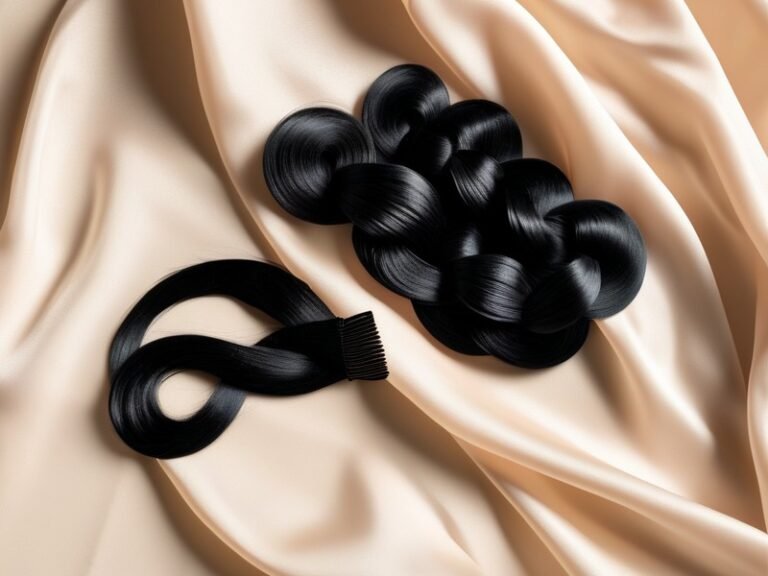
Clip-in extensions are temporary wefts attached with small pressure-sensitive combs, usually sewn onto a fabric or reinforced hair weft. A “weft” is the horizontal track where hair is stitched or bonded. Colored pieces are riskier than natural black or brown because bleaching, fashion tones and pastel shades can weaken the hair if the factory rushes the process.
What Hair Grade Should You Buy for Colored Clip Ins?
Start by asking exactly what the supplier means by grade words. Virgin hair means hair that has not been chemically processed before collection, but most bright pink, blue, red, lavender or platinum clip ins cannot still be virgin after they are colored. Remy hair means the cuticles generally run in the same direction, while cuticle aligned is a stronger claim that the hair roots and tips remain organized during processing.
For colorful human hair clip ins, Remy cuticle-aligned hair is usually the safer wholesale choice than cheap non-Remy. Non-Remy hair can feel soft after a silicone bath, but after a few washes it may tangle because cuticles are facing mixed directions. That problem becomes more obvious after bleaching, which can strip away the temporary coating.
Raw hair is unprocessed donor hair before steam texture or chemical color work. It can be excellent, but true raw hair is expensive and supply varies. If a supplier offers neon raw hair at an unusually low price, ask for clarification: the hair may have been raw before processing, but the finished product is colored and no longer in its natural state.
A practical bulk order should use healthy donor hair strong enough to survive lifting and depositing fashion color. Expect very light pastels and silver shades to need more processing than burgundy, auburn, dark green or highlighted pieces. If your clients want longevity, charge accordingly and do not market heavily bleached pastel hair as if it were untouched virgin hair.
How Do You Check the Color Quality Before a Bulk Order?
Always order sample sets first, and compare them in daylight, indoor warm light and phone camera light. Bright colors can look very different under salon lighting versus a retail photo. Check the root area, mid-lengths, ends and underneath layers; uneven lifting often shows near the weft or at the tips where hair is drier.
Run the shade through these checks:
- Evenness: No brassy bands, pale spots, dark patches or unexpected roots unless the style is intentionally rooted or ombre.
- Tone match: The factory sample and bulk production must match the agreed shade ring or approved sample.
- Fastness: Dark fashion colors may bleed during the first wash, but water should not turn deeply colored after gentle shampooing.
- End condition: Dry, spongy or gummy ends usually mean the hair was over-processed during lifting.
- Transparency: Clip ins should not reveal obvious neon blotches through the hair when held to light.
- Color placement: Highlights, skunk stripes, piano blends and peekaboo panels should follow the same width and placement across every set.
- Packaging protection: Each colored set should be protected so wet product, dye transfer or friction does not stain lighter pieces in the same shipment.
Ask the supplier whether the color is processed in-house or sent to a separate dyeing workshop. In-house coloring usually gives tighter control, but the important part is accountability. Get written confirmation that bulk goods must match the approved sample within a reasonable commercial tolerance, especially if you sell matching sets online.
Are the Clips Secure Enough for Salon and Resale Use?
A beautiful weft is worthless if the clips bend, slip or pop off after one install. An install is the method of attaching extensions to the client’s hair. For clip ins, clients usually section the hair, tease or anchor the root slightly, open the comb, press it into the natural hair, and snap it closed.
Inspect each clip’s metal tension, silicone backing or grip strip, stitching points and size. Larger clips add hold but can feel bulky near thin temples or fine hairlines. Most standard sets use a mix of wider clips for broad back pieces and smaller clips for side pieces. A common 7-piece set may carry 16 to 18 clips total, but count and layout vary by supplier.
Pull the clip gently from several angles. It should not tear away from the weft, and the stitching should pass through reinforced fabric or binding rather than only through hair. Check for rust-resistant metal, smooth edges and a firm snap. Cheap clips can snag, pull hair, lose spring tension or leave pressure points when the wearer puts the hair up.
If your customers are braiders, salon owners or everyday resellers, ask whether spare clips and replacement sewing service are available. Bulk buyers often underestimate how much damage a few weak clips can cause in reviews. It is cheaper to pay a little more for dependable hardware than to handle returns from sets that shed clips at a wedding, concert or photo shoot.
What Shedding, Tangling and Weight Tests Matter for Bulk Clip Ins?
Hold the weft and brush from ends upward with a soft extension brush or wide-tooth comb. A few loose cut hairs are normal in new hair goods, but continuous shedding from the stitching line is not. Pay special attention to colored hair because aggressive bleaching can make strands weaker and more likely to break near the track.
Check the finished gram weight, not just the number of pieces. Wholesale clip-in sets commonly range from about 100 to 180 grams depending on length and fullness, with 120 to 150 grams a common middle ground for retail sets. Longer lengths, such as 22 to 26 inches, naturally use more hair to look full, so a 100-gram set at 24 inches may look thin at the ends.
Density refers to the amount of hair in a piece or finished look. Dense clip ins give more drama, but too much weight can strain the natural hair or feel uncomfortable for all-day wear. Thin, scraggly ends are a common shortcut in low-cost colored sets; the top may look thick because of short filler hair, but the perimeter looks see-through.
Run a hand down the weft in the direction of the cuticle, then lightly back upward. Cuticle-aligned hair should not feel rough or catch aggressively. Do a wash test on samples using lukewarm water and gentle sulfate-free shampoo, then air dry. Note matting above the elastic band, tangling at the nape, dryness after conditioning, color runoff and whether the weft becomes floppy or exposed.
How Do You Keep Shade and Construction Consistent Across Wholesale Orders?
Consistency is where many colorful extension programs fail. Human hair is a natural material, and fashion colors involve multiple chemical steps, so two batches can vary even with the same formula. A good supplier knows this and controls donor hair selection, lifting levels, dye timing, water quality, drying and final shade sorting.
Before ordering, agree on specs in writing: hair origin or grade, Remy/cuticle direction, percentage of human versus synthetic fibers if any, lengths, grams per set, weft width, clip count, clip color, stitching pattern, packaging and allowed color tolerance. If you need 100 percent human hair, request confirmation and consider spot burn or laboratory testing for suspiciously low-priced goods.
MOQs are often lower for stock colors than custom shades. A factory might accept 50 to 100 pieces for a stocked color but require 200 to 500 pieces or more for a custom pastel or special blend. Lead times can range from a few days for ready stock to 3 to 6 weeks for custom coloring, plus shipping and possible customs delays. Leave buffer time for holiday weekends, festival seasons and prom season.
During incoming quality control, inspect at least 10 to 20 percent of a medium order and 100 percent of small high-value custom orders. Compare every shade to the approved sample, weigh random sets, open and close clips, inspect stitching, and photograph findings before repacking. If a problem appears in several bundles, contact the supplier before cutting tags, washing pieces or altering the goods.
FAQ
Can colorful clip in hair extensions still be good quality if they are brightly colored?
Yes, but the hair has usually been bleached and dyed, so it needs careful processing and proper aftercare. Dark jewel tones are generally less stressful than platinum, silver and pale pastels. Ask for cuticle-aligned Remy human hair, inspect sample wash tests, and avoid sets that feel gummy, overly coated or extremely dry at the ends.
What is the most common quality problem with bulk colored clip ins?
The biggest hidden issue is weak, over-processed hair that feels soft initially but tangles after one wash. Close behind are shade differences between batches and clips sewn too weakly to the weft. Approving a sample, checking gram weights and doing a small trial order before a large purchase reduce those problems.
If you are building a colored clip-in line, send us your target shades, lengths, gram weights and order quantity. We can help you compare stock colors and custom options before you commit to a bulk run.
If you want the full background before you order, our guide on Buying K Tip Hair Extensions in Bulk: Quality Checks That Matter walks through it in plain terms.
Send Us Your Hair Inquiry
Need bulk pricing, samples, or a private-label quote? Fill in the form and our team will get back to you within one business day.