Bulk Hair for Braiding: What to Check Before Your First Bulk Order
Bulk hair for braiding is loose human hair sold without a weft, so it can be used for knotless braids, box braids, Boho braids, locs, twists, and custom blending. Before your first bulk order, confirm the hair quality, bundle weight, length, texture, moisture level, return policy, and factory consistency—not just the price per ounce.
A good first order should be small enough to test with real clients but structured enough to show whether the supplier can repeat the same quality. Here is what I would check before paying a deposit.
What Exactly Is Bulk Hair for Braiding?
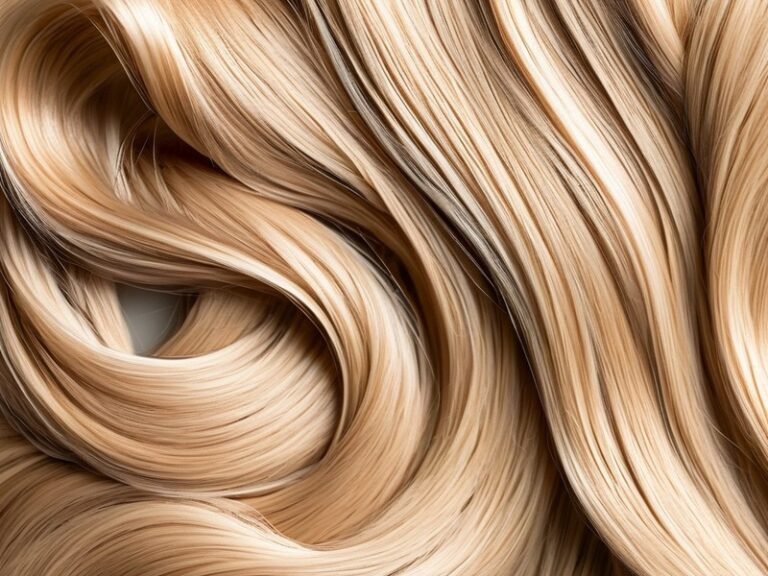
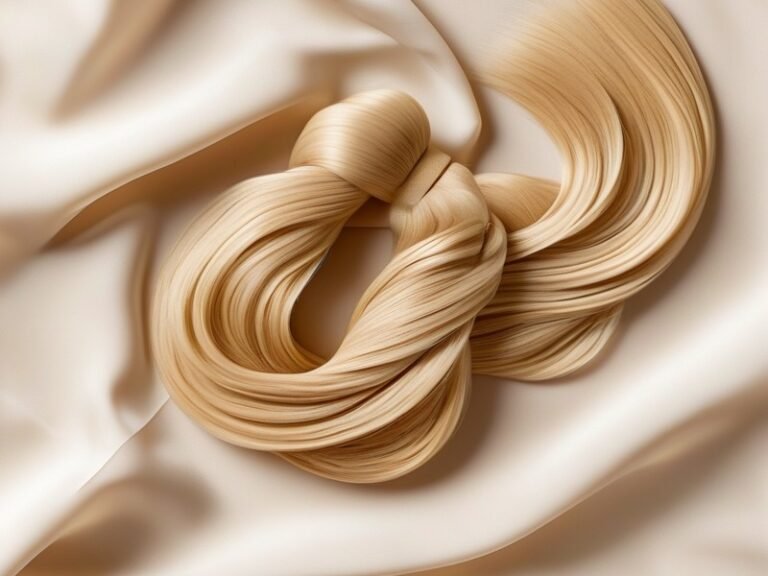
Bulk hair is loose hair gathered at the top, usually tied with an elastic or band, rather than sewn onto a weft. A weft is the stitched or machine-made track used for sew-in extensions. For braiding, you want bulk because loose strands give braiders more control and reduce the bulk that a stitched track can create.
You may see terms like virgin hair, Remy, raw hair, and cuticle aligned. Virgin hair usually means chemically unprocessed human hair, though some suppliers use the label loosely. Remy means the hair was collected with roots and ends mostly oriented the same way. Raw hair usually means minimally steamed or processed donor hair, while cuticle aligned means the cuticles face the same direction, which helps reduce tangling.
For braiding, cuticle alignment matters more than fancy packaging. If cuticles run in opposite directions, the hair can tangle, mat, or feel rough after a few washes. That becomes expensive quickly because braiders spend extra installation time fixing loose or tangled strands, and clients may blame the style instead of the hair.
Also distinguish bulk hair from bundles with a weft. Some listings show “braiding hair” but still ship wefted bundles, which means someone has to cut hair from the track before use. That works in a pinch, but it creates short pieces, shedding, and wasted hair. Ask directly whether the product is true loose bulk.
How Much Bulk Hair Do You Need for Braids?
The amount depends on braid size, desired fullness, head size, length, and whether the client wants a natural or dramatic finish. Most human braiding hair is sold in 50g, 100g, or 3.5 oz bundles. Some vendors sell by kilogram for wholesale, but beginners should understand grams per braid before buying a large kilo batch.
For waist-length knotless braids with human hair curls at the ends, clients may need roughly 100g to 200g of bulk human hair depending on how many curls or loose ends they want. Full human-hair box braids can require considerably more, sometimes 300g to 500g, because the hair feeds through the whole braid. These ranges are planning estimates, not universal rules.
Have your braider weigh the hair before a paid test. I recommend recording style name, braid count, bundle grams, leftover grams, length, and client feedback. That record helps you reorder accurately instead of guessing from social media photos.
Do not compare suppliers only by package count. A “3-pack deal” could be three 50g bundles, while another seller’s single bundle could be 100g. Price per gram and usable hair after removing ties, short pieces, and matting is the more useful comparison.
Which Hair Grade and Texture Should You Buy First?
If this is your first bulk order, start with one or two textures instead of buying the whole texture menu. Straight, body wave, deep wave, water wave, and curly bulk hair behave differently in braids. Looser textures may lose wave pattern after washing, while tighter curls can tangle more if the cuticles are not aligned.
A practical first order is 100g samples in two lengths and two textures. Test them in actual installs, not just by running your fingers through the bundle. Hair can feel soft in hand but still matte up when exposed to products, water, friction, and weeks of wear.
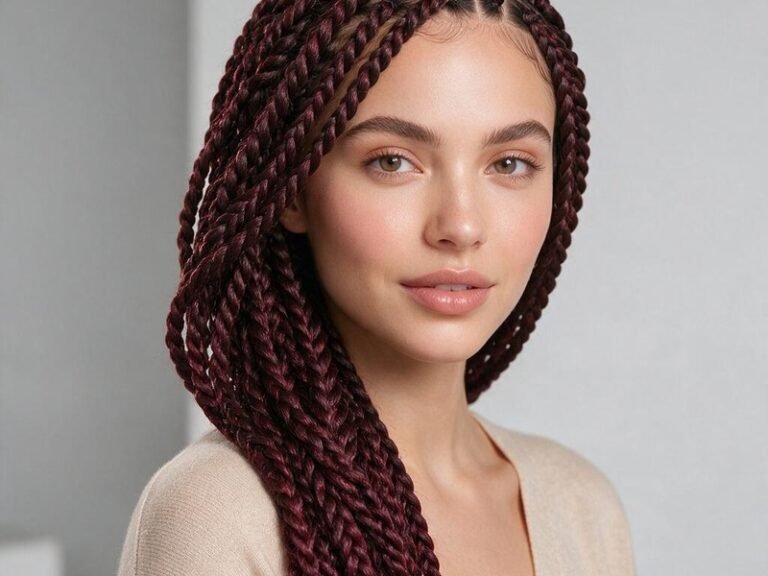
For Boho or goddess braids, many buyers prefer wavy or curly bulk because the loose ends create the soft curl look. For knotless braids with mostly human feed-in strands, straight or lightly wavy hair may be easier to control. For loc repairs or loc extensions, ask whether the bulk has been processed in a way that makes it difficult to lock naturally.
Be careful with overly shiny hair. A strong plastic-like shine can indicate a heavy silicone coating. The hair may feel smooth when new, then become dry or tangled after the coating washes out. A slightly more natural luster with intact, aligned cuticles usually performs better over time.
What Quality Checks Matter Most Before Paying?
Ask the supplier for photos and videos taken in natural daylight, not just studio lighting. Request footage of the full bundle, the tied top, the ends, combing, wetting, and one length held next to a measuring tape. If the supplier cannot show those basics, treat that as a warning sign.
- Cuticle direction: Run fingers from root to end and then end to root. Hair should feel smoother downward. Roughness in both directions can mean mixed cuticles.
- Short-hair ratio: Hold the bundle upright and inspect tapered ends. Too many short strands create flyaways, uneven braids, and wasted hair.
- Shedding and breakage: Gently pull or comb a sample. A few loose strands are normal, but clumps or constant breakage are not.
- Processing smell: Strong acid or chemical odor may remain even after washing and can upset salon clients.
- Color consistency: Natural black should match across bundles. Check whether #1, #1B, and natural black are actually different at the factory.
- Curl return: Wet a sample, let it air dry, and compare the pattern before and after. Steamed textures may loosen over time.
- End quality: Thin, scraggly, dry ends make long braids look cheap and can cause tangling at the nape.
Ask whether the hair can be colored. If you plan to offer custom brown, honey, or highlighted braids, test a sample with a gentle lightener before promising color services. Human hair does not automatically mean it will lift evenly, especially if it has been processed, coated, or mixed from multiple sources.
A burn test is sometimes used to spot synthetic fibers, but it is not enough by itself and can be misleading with blends. A better B2B check is transparent supplier communication, repeated sample testing, washed texture testing, and consistency across several bundles.
What MOQ, Samples, Lead Time, and Payment Terms Are Reasonable?
MOQ means minimum order quantity, the smallest amount a factory or supplier will accept. Wholesale vendors may offer lower MOQs for in-stock colors and textures, but custom lengths, custom colors, or private-label packaging usually require a larger MOQ. For your first order, avoid locking into 20 kg or more just to get a lower unit price.
Sample pricing may be higher than wholesale pricing, and that is normal. Treat samples as an insurance cost. One paid test cycle can save you from buying hair that sheds, tangles, smells, or arrives in lengths that do not match your salon menu.
Ask for exact lead times before taking client deposits. Stock bulk hair may ship within a few business days, while custom textures, custom colors, or large wholesale orders can take two to six weeks depending on quantity, processing, inspection, and shipping method. Busy seasons can add delays, so build buffer time into your launch.
Payment terms should be clear in writing. Many China-based suppliers require a deposit before production and a balance before shipment, especially for first-time buyers. Confirm what happens if the factory substitutes texture, sends the wrong length, or ships mixed colors. A good supplier will discuss inspection photos, replacement rules, and damage claims before the order begins.
How Do You Compare Wholesale Bulk Hair Suppliers Without Getting Burned?
Do not choose a vendor from one soft hand-feel video. Compare at least three suppliers using the same specs: human hair percentage, origin description, bundle weight, length, texture, color, processing method, MOQ, and delivery window. If a vendor cannot specify grams or hair composition, you cannot accurately compare their quote.
Ask how they control batch consistency. Hair is a natural product, so slight variation in texture and color is normal. But large differences between bundles—some straight, some overly silky, some grayish, some much shorter—show poor sorting. Ask whether one order can be pulled from the same batch when uniform salon results matter.
Understand the real trade-off in price. Very cheap bulk human hair may contain short strands, non-Remy mixed hair, heavy silicone, synthetic or animal-hair blends, inconsistent lengths, or excessive flyaways. The most expensive hair is not automatically the best either, especially if you serve clients who want a style for a few weeks rather than reusable long-term hair.
Pick a supplier who asks useful questions too. A knowledgeable sales rep should clarify whether you need hair for full braids, Boho ends, locs, twists, coloring, or resale. If they only push “top grade” language and cannot explain weight, cuticles, or texture processing, keep looking.
What Should Your First Purchase Test Include?
Place a small trial order in the textures and lengths your clients actually request. For most new buyers, 500g to 1,000g total is enough to test several styles without taking on too much inventory risk. Keep the packaging simple at first; wait until the hair passes repeat installs before paying for custom bags, labels, or branded bands.
Test the hair on different hair types and in real wearing conditions. One client may wash frequently, another may use heavy mousse, and another may wear the style for eight weeks. Those details reveal tangling, dryness, curl loosening, and end durability better than a showroom demo.
Wash a sample before installation. Use a gentle moisturizing shampoo, avoid twisting or rubbing the hair, condition mainly from mid-strand to ends, rinse thoroughly, and let it air dry. Record how long it takes to detangle, whether the curl pattern returns, and how much hair remains in the comb.
Keep notes by supplier and batch. Include grams used, style name, braid size, install date, take-down date, washing routine, products used, client comfort, tangling, shedding, and whether the hair could be reused. That file becomes your purchasing standard when you scale.
Frequently Asked Questions
Is bulk human hair better than synthetic braiding hair?
Bulk human hair usually looks more natural, can be styled with lower-heat tools depending on processing, and may be reused after gentle removal and washing. It costs more and can tangle if the cuticles are not aligned, while synthetic hair is cheaper, lighter, and often more consistent in curl pattern but less natural-looking and harder to reuse.
Can clients wash bulk human-hair braids?
Yes, but they should wash gently with diluted shampoo, focus on the scalp, avoid heavy rubbing, and rinse thoroughly. Human braiding hair still needs drying and light maintenance; leaving braids damp can cause buildup, odor, and tangling at the roots and ends.
Should a braider buy bulk hair by the bundle or by the kilogram?
Start by the bundle or sample pack so you can test texture, length, and grams per style. Move to kilogram pricing only after you have consistent demand, confirmed batch quality, and tracked how much hair each braid style actually uses.
If you send us your planned braid styles, preferred lengths, texture, and expected monthly volume, we can help you build a sensible sample order. Start with testable grams and clear specs, then scale once the hair passes real installs and take-downs.
If you want the full background before you order, our guide on Cuticle Pattern of Human Hair: What to Check Before Your First Bulk Order walks through it in plain terms.
Send Us Your Hair Inquiry
Need bulk pricing, samples, or a private-label quote? Fill in the form and our team will get back to you within one business day.