Best Glueless Wigs Human Hair: Wholesale Sourcing Mistakes to Avoid
The best glueless wigs human hair for wholesale are consistent, well-fitting units—not the cheapest photos online. Buyers lose margin when they skip samples, chase low prices, or ignore cap and lace quality. Here are the costly mistakes we see most.
Ordering a full run before you touch a sample
We see buyers deposit on 100 units from a render, then receive caps that pull or lace that feels cheap. A glueless wig uses straps, bands, and combs instead of adhesive, so fit is everything. Order one sample in your target length and density, wash it, and wear it for days. If the band rolls or lace wrinkles, that flaw will repeat. Our pre-plucked pre-cut wigs guide explains fit details to compare.
What cap size and density should I stock?
Most orders lean medium cap and 180% density, but small and large sizes also sell. Density is volume percentage—150%, 180%, or 200%—with higher numbers costing more. Stock mostly mediums, a few smalls and larges, and split units between natural 150% and fuller 180% styles. Check strap width and comb placement, since heavy units slip on thin bands. If you sell shorter looks, this bob human hair wigs post covers those tradeoffs.
Are cheap glueless human hair wigs worth the savings?
Only for basic short units, and only after testing the sample. A very low price can mean reversed cuticles, causing tangles and returns after one wash. Cuticle aligned means all cuticles face one direction; virgin hair is unprocessed, while Remy keeps cuticles aligned but may be lightly processed. Decent wholesale glueless human hair units often run $70 to $130, so much lower prices deserve scrutiny.
Lace, knots, and plucking drive most returns
Natural glueless units need lace that matches skin and knots lightened without spotting. A closure is a small lace top piece; a frontal runs ear to ear for more parting. Pre-plucked hairlines are thinned at the edge, and pre-cut lace saves time but can look choppy if cut too high. Request daylight photos, specify transparent, light, or medium brown lace, and confirm bleached knots. Avoid ultra-thin hairlines, since many clients prefer a denser customizable edge.
Vague spec sheets cause reorder drift
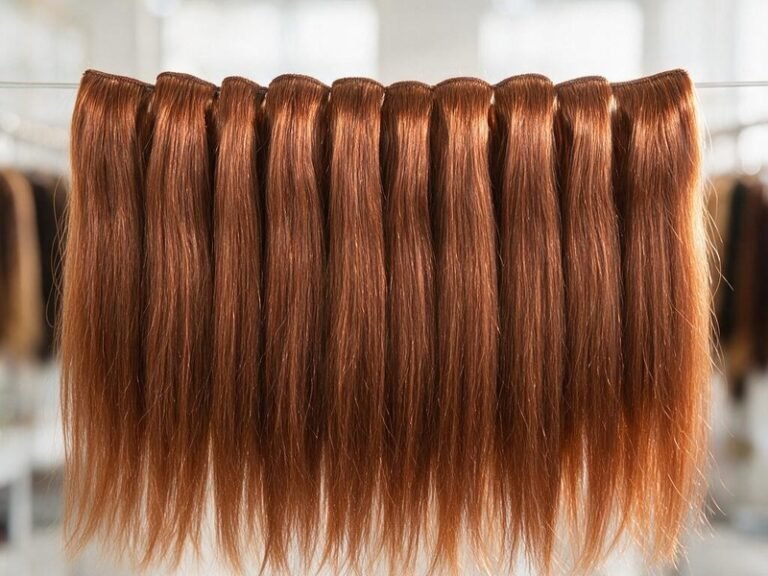
Your sample can be perfect while bulk production drifts without written specs. List cap size, density, total hair weight in grams, lace color, knot work, band width, and texture. A 20-inch 180% straight unit often weighs 200 to 240 grams; agree on that number first. Ask for quality-control photos, allow 7 to 15 days for stocked styles and 25 to 40 for custom orders, and expect MOQs (minimum order quantities) around 10 to 50 pieces. Compare matching weft hair and check turnaround on the FAQ page before ordering.
How many pieces should my first wholesale order include?
Start with 10 to 30 pieces across two or three textures, not one look. This tests fit and demand without tying up cash in slow lengths. Reorder the style that sells within two weeks and adjust sizes from feedback.
Can glueless wigs be secure enough for everyday wear?
Yes, but be honest about limits. A good cap with elastic, straps, and combs works for daily wear, though it may not match glued security during swimming or heavy sweating. Test added elastic or side sew-downs on a sample first.
Order two samples in your best-selling length and wear them before a full run. Browse shop all hair extensions to compare textures, weights, and matching pieces for your clients.
Send Us Your Hair Inquiry
Need bulk pricing, samples, or a private-label quote? Fill in the form and our team will get back to you within one business day.