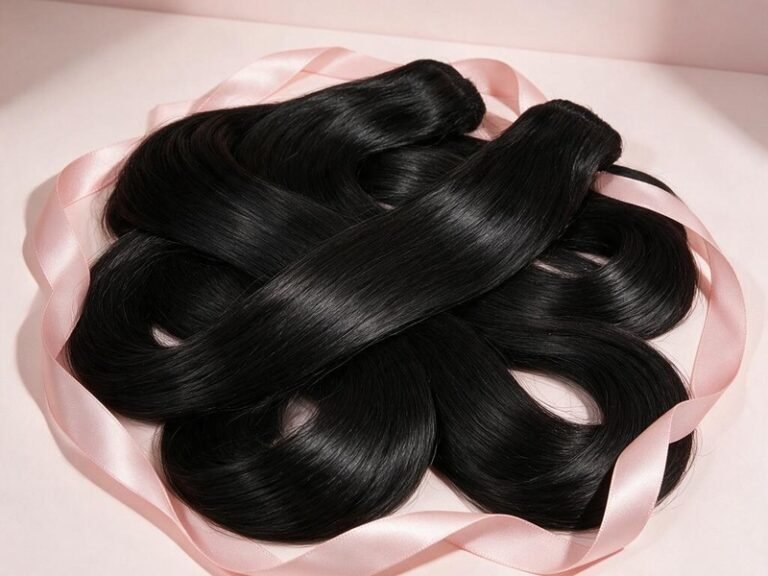
Best Tape in Extensions: Sourcing Tips for Vendors and Salons
The best tape in extensions for vendors and salons use cuticle-aligned Remy hair—human hair with cuticles running root to end—plus strong tabs, accurate weights, and consistent color. Cheap mixed stock usually comes back as tangling, shedding, or slipping tabs. Test the hair, adhesive, and supplier communication before a wholesale run.
What should I look for in the best tape in extensions?
Tape-ins are thin wefts, or sealed hair tracks, on double-sided adhesive tabs, sandwiched between sections of natural hair.
Feel from root to tip; avoid hair coated in silicone that washes out after one shampoo.
Remy is used loosely, so confirm the hair is cuticle aligned, with all roots and tips oriented the same way.
When you compare tape in hair, weigh pieces; most run 1.5 to 2.5 grams each, or 30 to 50 grams per 20-piece pack.
If a 24-inch pack feels too light, check density, meaning how much hair fills the weft; thin ends will upset clients.
How many tape-in pieces does a salon client need?
Most clients need 40 to 60 pieces; fine hair may need 40 for thickness, while thick or short hair can need 60 to 100.
That’s usually two to five 20-piece packs.
At 18 to 20 inches, 40 pieces often weigh 80 to 100 grams; longer lengths need enough hair to keep ends full.
Start with natural black, dark brown, and highlighted brown in 18, 20, and 22 inches.
Buy unusual colors only after clients request them.
Why tape tabs can make or break your reorder rate
The tab gets blamed when an extension slides out in week three.
A standard tab is about 4 cm by 0.8 cm, with acrylic adhesive made to hold six to eight weeks through gentle shampooing.
Cheap tabs may be narrow, stiff, soft in humidity, or sticky during removal.
Keep sections clean, avoid conditioner at the bond, and use your supplier’s replacement tabs, not drugstore tape.
Wear a sample for two weeks and wash normally before ordering big.
Sample-order checklist before you scale
- Order an 18- or 20-inch sample in your top shade, photograph it by your current stock, and use this tape-in sourcing guide to compare notes.
- Weigh five pieces to confirm grams and spot uneven tabs.
- Shampoo three times to reveal tangling after the factory coating washes out.
- Brush the midlengths and ends; a few loose hairs are normal, clumps are not.
- Ask MOQ (minimum order quantity), lead times, restock timing, dye-lot variation, and return-shipping policies.
How do MOQs, pricing, and lead times actually compare?
Stock orders often allow mixed colors and lengths at 50 to 100 pieces; custom or private label may start at 300 to 500.
A $1 to $3 per-piece difference adds up, but the cheapest quote can mean mixed cuticles or thin ends.
In-stock packs usually process in three to seven days, samples in seven to ten, and custom orders in 25 to 45 days.
Ask whether the same texture and color can be restocked in two months.
Before committing, you can shop all hair extensions to compare weights, lengths, and current stock.
Are tape-ins damaging to fine natural hair?
Tape-ins aren’t inherently damaging when sections are sized correctly, bonds stay clean, and removal uses solvent instead of pulling. Most damage comes from tabs too near the scalp, sections that are too heavy, or rushed removal. For fine hair, use lighter 1.5-gram pieces and suggest four-to-six-week maintenance.
Can I dye or lighten wholesale tape-in hair?
Cuticle-aligned human hair can usually be rinsed, toned, or deposit-colored, but lightening causes the most issues. Lifting a level or two can dry ends or change texture, and every batch reacts differently. Test one piece, keep lightener off the tab, and never promise platinum from a wholesale sample.
Don’t build your menu from one photo.
Test two or three best-selling shades in the salon, then check our FAQ page for shipping, returns, or maintenance details before reordering.
Send Us Your Hair Inquiry
Need bulk pricing, samples, or a private-label quote? Fill in the form and our team will get back to you within one business day.