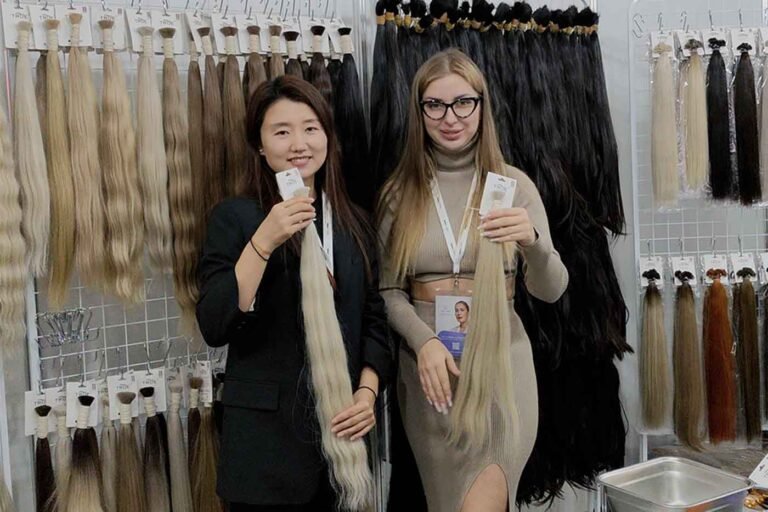
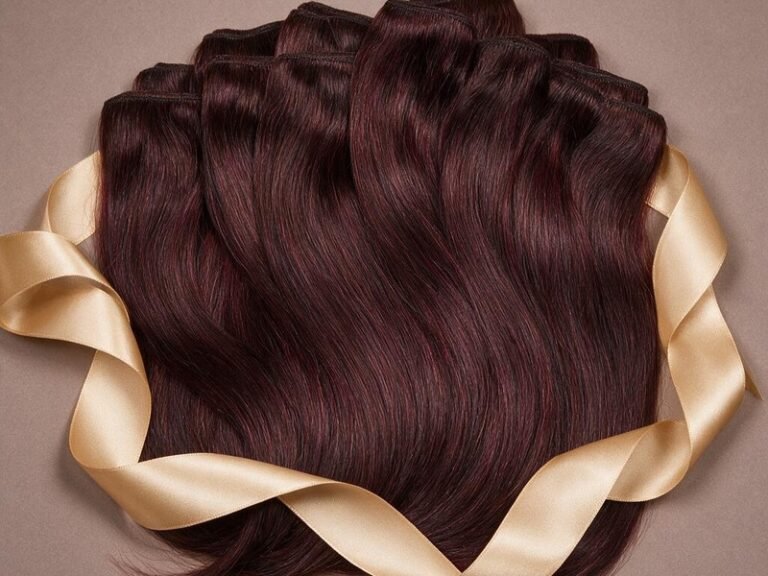
What Is Bulk Hair?
If you are new to the hair extension business, the term bulk hair can be confusing at first. Unlike a finished hair extension, bulk hair is loose human hair that has not yet been made into a weft, tape-in, clip-in, or other finished extension. The hair is usually kept together at one end or handled as a loose bundle, which allows manufacturers, extension makers, salons, and hair brands to turn it into different products depending on what they need. In simple terms, bulk human hair is more like a raw material than a finished extension.
This makes bulk hair especially useful for businesses that want more control over the final product. A hair brand might purchase loose hair and have it made into wefts, braids, custom extensions, or other products. A manufacturer may use it as the starting material for a particular extension design. Some buyers also choose bulk hair because they want to control the direction, length, color, processing, and final construction of the hair rather than buying a ready-made extension. The flexibility is one of the biggest reasons bulk hair continues to be important in the professional hair industry.
The quality of bulk hair depends on much more than simply whether it is labeled “human hair.” Buyers should pay attention to the origin, collection method, processing, length, texture, and whether the cuticles have been kept in the same direction. Cuticle aligned hair, for example, is hair where the natural cuticle direction is maintained, which can be important for the way the hair behaves after processing and during use. Other terms such as raw hair and Remy hairdescribe different characteristics and should not automatically be treated as interchangeable.
For buyers, understanding these differences before placing an order can prevent a lot of confusion. A product that looks similar in a photo may perform very differently depending on how the hair was collected and processed. This is particularly important when purchasing bulk hair wholesale, where the buyer may be ordering a larger quantity for regular production. Before comparing prices, it makes sense to understand exactly what type of hair you are buying and what you plan to make with it.
How Is Bulk Human Hair Collected and Prepared?
One of the most important things to understand about bulk hair is that the collection and preparation process can have a direct effect on the finished material. Human hair is collected through different supply channels, and not every source produces the same type of hair. After collection, the hair needs to be sorted and prepared according to factors such as length, texture, condition, and direction. For businesses buying Chinese bulk hair, understanding the sourcing and quality-control process is particularly important because the origin of the hair is part of the overall product story.
A professional supplier should be able to explain where the hair comes from and how it is handled before it reaches the customer. Good sourcing practices include separating different hair types rather than simply mixing everything together. The hair may also need to be cleaned, dried, sorted, and checked before it is prepared for production. If the hair is intended to remain cuticle aligned, keeping the strands in the same direction during handling is especially important. This is one reason buyers should ask questions instead of relying only on product photographs or a short product title.
Processing is another area that deserves attention. Some human hair is sold in a relatively natural state, while other hair has gone through chemical or cosmetic treatments. These treatments can affect the texture, color, softness, and future styling options of the hair. Raw bulk hair, for example, is generally understood in the industry as hair that has undergone little or no chemical processing, although the exact definition can vary between suppliers. “Remy” is also used differently across the market, so buyers should ask the supplier what the specific product actually means rather than relying on the label alone.
For a business owner, consistency may matter just as much as the quality of a single sample. If you plan to reorder the same hair several times, you want the supplier to have a reliable sourcing and sorting process. Ask about available lengths, natural colors, textures, processing, minimum order quantities, and quality-control procedures. If possible, start with a bulk hair sample before moving to a larger order. A sample gives you an opportunity to inspect the texture, ends, direction, density, and overall condition for yourself. This is particularly useful when you are developing a product line and need the hair to meet the same standard from one production run to the next.
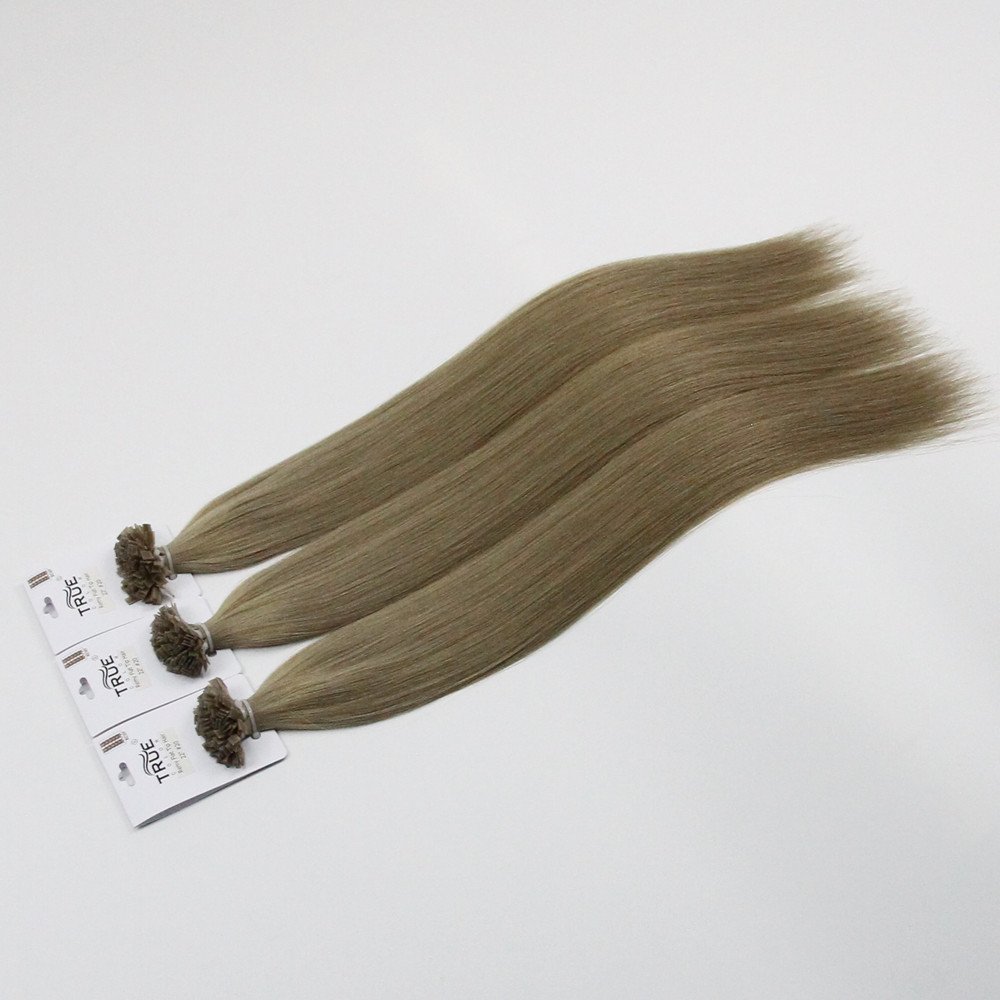
What Can Bulk Hair Be Used For?
The biggest advantage of bulk hair is its flexibility. Because the hair is not already attached to a finished extension system, it can be used as a starting material for different products. Depending on the customer’s needs, loose hair can be manufactured into wefts, braids, custom extensions, or other hair products. This makes bulk hair for extensionsespecially useful for manufacturers and brands that want to create their own products rather than simply resell a standard finished extension.
For hair brands, this flexibility can also make product development easier. Instead of choosing only from a supplier’s existing finished products, a brand can discuss specifications such as length, texture, color, hair type, and construction with a manufacturer or supplier. This is where OEM hair extensions and private-label production can become relevant. A business may start with a small trial order, evaluate the finished product, and then increase the quantity once the product meets its requirements. The exact process varies between suppliers, so buyers should confirm production options before ordering.
Salons can also benefit from bulk hair, particularly when they work with custom services or have specific requirements that are not easily met by standard extensions. A stylist or salon may need a particular length, texture, or color for a client. Loose hair can provide more flexibility when creating a customized result. However, the best choice depends on the service being offered, the application method, and the stylist’s experience. Bulk hair is not automatically the right option for every salon service, and it should be selected according to the intended use.
Another important point is that bulk hair should not be confused with hair bundles or finished weft extensions. A weft hair extension has already been constructed into a weft, while bulk hair remains loose and can be processed or manufactured into a final product. Similarly, tape-ins, K-Tips, clip-ins, and other extension systems have their own construction and application methods. If you are a buyer, think about the final product first. If your goal is to create a custom extension line, bulk hair may offer the flexibility you need. If you simply want a ready-to-install product, a finished extension may be more practical.
What Should You Look for When Buying Bulk Hair?
Choosing the right bulk hair is about looking beyond the product name. One of the first things to consider is the actual hair specification. Ask whether the hair is raw, Remy, virgin, or processed, and ask what those terms mean for that particular supplier. You should also check the available lengths and whether the hair is cuticle aligned. If you are planning to color or bleach the hair, ask about its previous processing history before placing a larger order. Hair that has already been heavily processed may respond differently to additional chemical treatment.
The next consideration is consistency. This becomes particularly important when you are buying bulk hair wholesale for a brand, salon, or distribution business. You may be satisfied with one sample, but the real question is whether future orders can meet the same specifications. Talk with the supplier about quality control, sorting, sourcing, packaging, production capacity, and reorder consistency. If you need a specific length or texture on a regular basis, make that requirement clear before ordering. A reliable bulk hair supplier should be willing to discuss these details rather than simply giving you a price.
Pricing also deserves a closer look. The cheapest hair is not necessarily the best value, especially when you are purchasing for a business. Low-cost material that requires additional sorting, produces inconsistent finished products, or does not meet your customer’s expectations can end up costing more. Instead of comparing price alone, compare the complete specification: hair type, sourcing, length, processing, quality control, packaging, minimum order quantity, and shipping. For new buyers, a small trial order can be a practical way to evaluate a supplier before committing to a larger wholesale purchase.
Finally, consider communication. Hair is a product where small differences can matter, and clear communication is essential when ordering internationally. Make sure you and your supplier are discussing the same specifications. Photos and videos can help, but they should support—not replace—clear product information. If you are developing your own brand, you may also want to discuss private label hair extensions, custom packaging, OEM services, and small-batch production. The right supplier should be able to explain what is available and what is not, giving you enough information to make a practical decision.
Is Bulk Hair Right for Your Business?
Bulk hair makes the most sense when you need flexibility. If you are a hair brand developing your own products, a salon offering customized services, a manufacturer producing extensions, or a wholesale buyer looking for a production material, loose human hair can give you more options than buying only finished extensions. You can select the specifications you need and work with a supplier or manufacturer to determine how the hair will be turned into the final product.
For buyers interested in Chinese bulk hair, the key is not simply choosing hair because it comes from China. Look at the actual product and the supplier behind it. Ask how the hair is sourced, how it is sorted, whether the cuticles are aligned, how much processing it has received, and what quality-control procedures are used. If you plan to bleach or color the hair, discuss those requirements before ordering. If you are building a brand, also consider whether the supplier can support your expected order volume, packaging needs, and future product development.
It is also worth remembering that terminology in the hair industry is not always standardized. Words such as “raw,” “virgin,” “Remy,” and “100% human hair” can be used differently by different sellers. Rather than making a decision based on a label alone, ask for specific information about the product. A trustworthy Chinese hair supplier should be able to answer straightforward questions about sourcing, processing, quality control, available specifications, and ordering.
Ultimately, bulk hair is a flexible starting point for creating professional hair products. The best choice depends on what you want to make, who you are selling to, and the quality standards you need to maintain. For first-time buyers, start with a clear product specification, request a sample, evaluate the hair carefully, and communicate your requirements before placing a larger order. Once you find a supplier that can consistently meet those requirements, bulk hair can become a practical foundation for a salon service, extension product line, or growing hair brand.